
By Muhammed Sherifdeen Omeiza
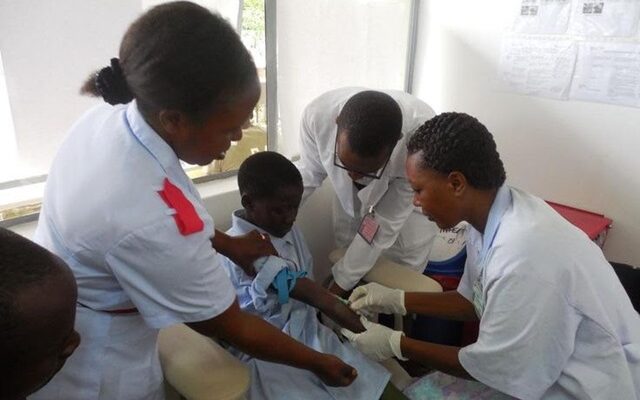
Africa is training more health workers, but many of the countries producing them are struggling to keep them. Doctors, nurses, pharmacists and other health professionals are moving to countries where salaries, working conditions and career opportunities are better. The problem is not simply that people are leaving. The bigger problem is what their departure means for the millions of people who remain.
The World Health Organization estimates that the African Region could still face a shortage of about 5.85 million health workers by 2030. This is despite the region increasing its health workforce from about 1.6 million in 2013 to 5.1 million in 2022.

This creates a strange situation. Africa needs more health workers, but some of the people it has trained are leaving.
Nigeria is one of the countries where this debate is very visible. A doctor or nurse who has spent years in medical school and professional training may decide to leave because of low pay, poor working conditions, limited equipment or better opportunities abroad. From the individual’s point of view, the decision is understandable. People want a better life and a better working environment.
But from the perspective of the country that trained them, the issue is more complicated.
The government and families have invested years and money in their education. When trained professionals leave, the health system loses experience at a time when it already has shortages.
There is also the problem of unequal distribution. Even when a country has enough health workers on paper, many are concentrated in major cities. Rural communities can still struggle to access doctors, nurses and other health professionals.
This means that Africa’s health workforce problem is not only about migration. It is also about planning.
Governments need to ask why health workers are leaving and what can be done to make staying more attractive. Better salaries are important, but money is not the only issue. Doctors and nurses also need functioning hospitals, equipment, opportunities for professional development, safe working environments and clear career paths.
The response should therefore not be to stop health workers from travelling. People have the right to seek better opportunities. Trying to prevent migration completely would also be unrealistic.
The better approach is to make migration work for both sides.
African governments can negotiate stronger agreements with destination countries. Countries receiving African health workers can support training institutions and health systems in the countries from which those workers come. There can also be programmes that allow professionals who migrate to contribute through training, research and investment even when they are no longer physically working at home.
But African governments must also look inward.
A country cannot continue losing health workers and simply blame foreign countries for recruiting them. If working conditions remain poor, people will continue to leave.
The WHO has already pointed to problems beyond migration, including unemployment among newly trained health workers, weak investment in training institutions and a mismatch between training and the needs of health systems.
This is important because it shows that Africa’s health workforce crisis is partly a policy problem.
Some countries are producing health workers without creating enough jobs for them, while other countries are struggling to retain experienced professionals. Better planning could help solve both problems.
Africa needs to train more health workers, but it also needs to create conditions where those workers can build their careers at home.
The goal should not be to stop African doctors and nurses from leaving.
The goal should be to make leaving a choice rather than a necessity.
– Muhammed Sherifdeen Omeiza is a Nigerian researcher and writer whose work explores the intersection of humanitarian action, human rights, gender equality and global governance. With a keen interest in public policy, democracy, and political economy, he examines how local experiences and global decisions shape humanitarian outcomes in times of crisis. His writings draw from African and international contexts, reflecting a commitment to justice, accountability, and people-centered governance in global affairs.
Email: sherifdeenmuhammed001@gmail.com