
By Alao Sunday Adamadamosi,arpa
For centuries, Lokoja has stood as a silent witness to Nigeria’s historical and commercial evolution. Nestled at the confluence of the Niger and Benue rivers, this ancient city has always been a natural meeting point for traders from the far north, the eastern hinterlands, and the southern coasts. Yet, for all its geographical blessings, Lokoja has long traded below its weight—until now.
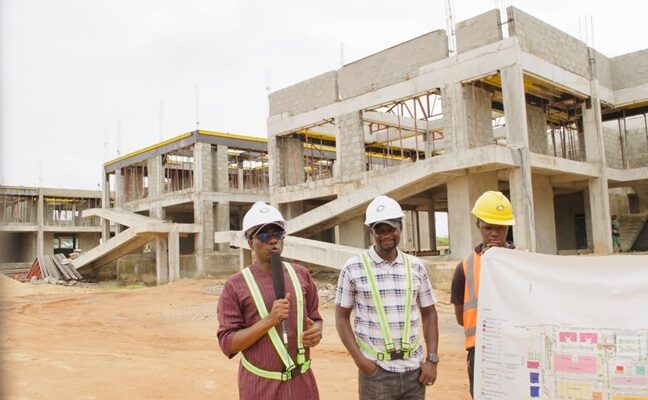
A new chapter is unfolding. The proposed Lokoja Ultra-Modern International Market is not just another infrastructure project; it is the cornerstone of Kogi State’s audacious bid for economic recovery and sustainable prosperity. Spearheaded by the administration of Governor Ahmed Usman Ododo, this ambitious development promises to transform the state’s commercial landscape, create thousands of jobs, and position Kogi as a premier investment destination in Nigeria.

Gone are the days of congested, chaotic open-air markets with limited facilities. The planned ultra-modern market in Lokoja is envisioned as a fully integrated commercial ecosystem. It will feature:
· Standardised lock-up shops and open stalls with fire safety systems.
· Dedicated cold-room facilities for perishable agricultural produce.
· E-payment and digital trading platforms to enhance transparency and reduce cash-related risks.
· Ample parking, loading bays, and truck terminals to ease logistics.
· On-site banking, insurance, and customs clearing services to attract international traders.
Located strategically along major transport corridors and within proximity to Abuja, the market is designed to capture the massive trade flow between Nigeria’s northern agricultural zones and its southern industrial and port cities. When fully operational, it is expected to handle billions of naira in daily transactions, making it one of the largest commercial hubs in West Africa.
The market is not being built in isolation. It sits at the heart of a broader, multi-sectoral reform agenda that is already yielding tangible results across Kogi State.
- Ease of Doing Business Reforms
Kogi State has emerged as a trailblazer in subnational business climate reforms. It remains the only state in Nigeria to have developed and implemented its own comprehensive “Ease of Doing Business” roadmap—a feat that earned commendation from the Presidential Enabling Business Environment Council (PEBEC). Key reforms in land titling, business registration, and tax administration are already reducing bureaucratic bottlenecks, signalling to investors that Kogi is ready for serious business. - Energy Revolution
No modern market can thrive without reliable power. Through the Kogi State Electricity Regulatory Commission (KERC), the government has opened the state’s electricity market to private investors. Mini-grids have been deployed to 54 communities, and industrial power supply is being stabilised. This ensures that traders in the new market will enjoy uninterrupted electricity, reducing operating costs and post-harvest losses. - Agricultural Value-Chain Development
Kogi is predominantly an agrarian state, producing cassava, yam, rice, cashew, and palm oil in commercial quantities. The new market will provide a ready, structured off-take point for these crops, cutting out exploitative middlemen and guaranteeing farmers better prices. The government is simultaneously rehabilitating rural feeder roads and livestock markets to ensure seamless supply from farm to market. - Social Investment and Grassroots Empowerment
Economic recovery must lift everyone. Recently, the First Lady of Nigeria, Senator Oluremi Tinubu, launched a national community food bank initiative in Lokoja and announced a ₦100 million support package for petty traders in the state. This synergy between federal and state governments ensures that even the smallest market vendors benefit from the economic boom, creating a ripple effect of shared prosperity.
The economic multiplier effects of the Lokoja Ultra-Modern Market are staggering. During its construction phase, it is expected to engage hundreds of local artisans, engineers, and construction workers. Upon completion, it will directly employ thousands of shop owners, warehouse managers, security personnel, cleaners, and logistics operators.
Indirectly, the market will stimulate the hospitality, transport, and real estate sectors. Hotels, restaurants, and guest houses are already springing up in anticipation, while property values in Lokoja and its environs are on the rise.
Moreover, the market is poised to significantly boost Kogi State’s Internally Generated Revenue (IGR) through taxes, levies, and service charges—moving the state closer to Governor Ododo’s vision of breaking into Nigeria’s top five richest states.
While the prospects are bright, stakeholders acknowledge that success will depend on sustained commitment. Critical infrastructure—including the ongoing rehabilitation of the Keffi-Makurdi expressway and the Lokoja-Abuja road—must be completed on schedule. Security around the market and its supply routes must be watertight. And the government must continue its transparent engagement with traders’ associations to ensure that the market’s management is inclusive and corruption-free.
The Lokoja Ultra-Modern International Market is more than a commercial facility—it is a statement of intent. It declares that Kogi State is no longer content to be a transit point for other people’s goods, but is ready to become a destination and a powerhouse in its own right.
For the people of Kogi, this market represents hope—hope for jobs, hope for better livelihoods, and hope for a future where their children no longer have to migrate south or north in search of opportunity. As the foundation is laid and the steel rises, one thing is certain: the confluence of rivers is about to become the confluence of commerce, and Kogi’s economic recovery is finally on track.
– Alao Sunday Adamadamosi, arpa writes from Lokoja