
By Muhammed Sherifdeen Omeiza
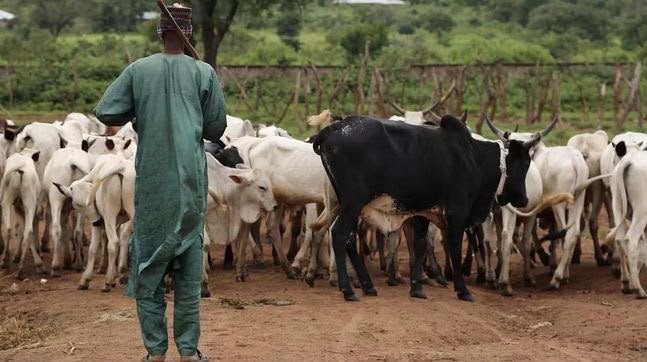
For many people, pastoralism is simply a traditional way of keeping cattle, goats, sheep and camels. But across Africa, it is much more than that. It is a source of income, food and employment for millions of people. Pastoralists also contribute to local economies by moving livestock and animal products across communities and borders. The United Nations has therefore declared 2026 the International Year of Rangelands and Pastoralists, recognising the importance of pastoralism to food systems, livelihoods and climate resilience.
Yet the future of pastoralism is becoming more uncertain.

Pastoralists are losing access to grazing land as agricultural expansion, urbanisation, insecurity and climate change put more pressure on land. In some parts of Africa, farmers and pastoralists are also competing over the same land and water. When traditional migration routes are blocked, conflicts can easily develop.
Nigeria is a clear example. The farmer-herder conflict in parts of the Middle Belt and northern Nigeria has shown what can happen when land, water, insecurity and weak government institutions come together. It is easy to look at the conflict only from the perspective of farmers or pastoralists, but the deeper problem is the failure to properly manage competing demands for land and natural resources.
The answer should not be to simply push pastoralists away from their traditional way of life.
At the same time, pastoralism cannot remain unchanged. Climate change is affecting the availability of water and pasture, while growing populations are putting more pressure on land. Governments therefore need to help pastoral communities adapt instead of treating them as a problem that needs to disappear.
This means protecting grazing routes, developing water points, improving veterinary services and supporting livestock markets. It also means investing in education so that children from pastoral communities are not forced to choose between their education and their family’s livelihood.
Governments also need better land-use policies. When agricultural land, grazing areas, forests and settlements expand without proper planning, conflict becomes more likely.
Pastoralism can also become more productive. Instead of focusing only on livestock numbers, governments should support better animal health, milk processing, meat production, storage and regional trade.
Africa should not have to choose between modern agriculture and pastoralism.
Both can exist if governments plan properly.
The bigger issue is leadership. When governments ignore pastoral communities until conflict begins, they are already reacting too late.
The future of pastoralism should therefore not be about preserving everything exactly as it is. It should be about helping pastoral communities adapt, become more productive and live peacefully alongside other land users.
Development should not mean forcing people to abandon their livelihoods.
It should mean giving them better opportunities to improve those livelihoods.
– Muhammed Sherifdeen Omeiza is a Nigerian researcher and writer whose work explores the intersection of humanitarian action, human rights, gender equality and global governance. With a keen interest in public policy, democracy, and political economy, he examines how local experiences and global decisions shape humanitarian outcomes in times of crisis. His writings draw from African and international contexts, reflecting a commitment to justice, accountability, and people-centered governance in global affairs.
Email: sherifdeenmuhammed001@gmail.com