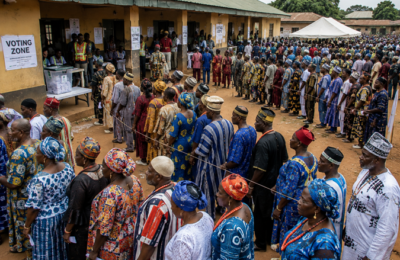

Kogi State is called the Confluence State, but culturally it is the meeting point of three major identities – Igala in the East, Ebira in the Central, and Okun Yoruba in the West plus Ogori-Magongo, Bassa, Nupe and others.
That diversity is why their practices are similar but not identical.
All of them use culture to keep identity alive.
Holidays / Festivals Celebration
Festivals in Kogi are not just holidays, they are calendar, religion, and moral school.

a) Ebira – Ekuechi Festival: This is the most famous. Celebrated at the end of December in Okene, Okehi and Adavi, it marks the end of the lunar year and beginning of a new one.
The central element is the night masquerade called Eku – ancestral spirits return through masked performances with drumming, music and dance to tell stories, correct wrongs and bless the community.
It also reinforces social norms and community cohesion.
Other Ebira festivals: Eche Ori for New Year, Ori Oko harvest thanksgiving, and Egwu Ogani wrestling events
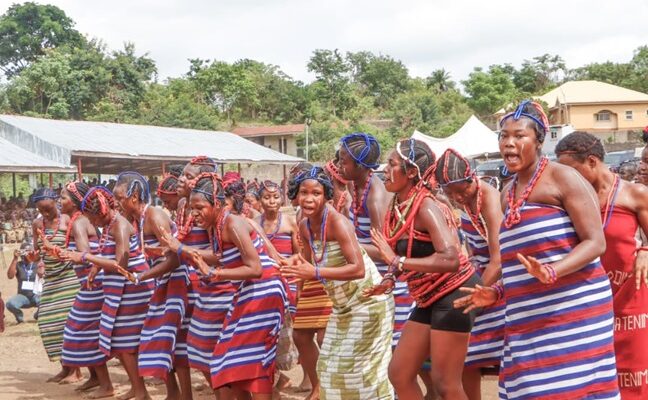
b) Ogori – Ovia-Osese Festival: This is unique in Nigeria. Celebrated annually in Ogori-Magongo LGA by the Ogori people.
It initiates teenage girls who are at least 15 years old into womanhood. Only girls who have kept their virginity participate, which promotes abstinence and moral values.
The name means “celebration of the pure.” During it, the maidens called Ivia perform traditional dance with beads on neck and wrist, and there is cooking competition, talent hunt, health outreach, and beauty pageant. Today it is used for girl-child advocacy and cultural tourism.
c) Igala – Ogani, Egbe, Italo and Ebegwu Festivals: The Igala observe Italo which features traditional music and dance, and festivals communing with ancestors ebegwu through communal feasts and rituals for prosperity.
The Ogani Festival is a royal hunting and thanksgiving festival of Igalaland it celebrates bravery, harvest, and the Ata Igala stool.
It has changed over time but still preserves core values.
All these festivals serve as a way of countering foreign influence and keeping language, folk songs, Oriki praise chants alive.
Wedding Ceremonies – “Weeding” Traditions
Kogi traditional marriage follows 5 clear stages and is almost identical across tribes, with small differences. It is never done alone.
Stage 1 – Marital Agreement: Two lovers agree, or a man shows interest.
Stage 2 – Family Visit: The groom cannot go alone. His parents and elder women visit the bride’s family after doing background checks on health history, character, family values.
The bride’s family also investigates the groom’s family.
Stage 3 – Ise Ewere / Second Visitation: If accepted, the groom’s family returns with gifts – yams (40 tubers), assorted wines, gins, soft drinks, kola nuts, bush meat/dried fish, palm oil, new clothes in boxes, jewelry. This humble presentation is actually the formal list.
Stage 4 – Introduction: A big food-sharing day. Bride price is negotiated.
It is not fixed; it depends on parents and groom’s ability.
Payments like Otanuvogei (joining hands together), Ozemeiyi (I am attracted to her), and Idoza (in lieu of farm work) are made.
Stage 5 – Traditional Wedding Day: Held at the bride’s compound. Women from the groom’s family carry gifts in a dance procession.
A religious leader blesses the union, and the bride is led to her husband’s house after celebration.
Igala touch: Bride in white embroidered lace blouse, Achi fabric gele and shoulder cloth, groom in colorful Igala Achi agbada with coral beads.
Ebira touch: Bride in richly colored hand-woven Aso Ebira with elaborate beadwork, groom in matching attire to show unity.
Okun touch: Similar to Yoruba – introduction (Mo mi o), engagement, bride price and wine sharing.
3. Dress Codes
Dress is identity language in Kogi.
Ebira: Men wear loose shoulder-sleeved shirt called dashiki or eruu with trousers and cap called etutu or fila with zigzag/stripes. Women wear iro (wraparound skirt), buba (blouse), gele (headscarf) made from bright Aso Ebira – hand-woven with geometric designs in red, green, blue symbolizing vibrancy of life, plus waist beads igburu.
Igala: The signature fabric is Achi – woven, colorful, well-knitted cloth. Men make it into cap and scarf worn with white shirt/trousers. Women: ọmọnijogun (wedding dress), iro, buba, iborun (shoulder shawl), ipele, gele. It projects elegance, especially at weddings.
Okun-Yoruba: Typical Yoruba – agbada, buba and sokoto, fila gobi for men, iro, buba, gele, ipele for women, often with aso-oke.
Today young designers are reimagining Aso Ebira into gowns, kaftans, jackets while keeping cultural essence.
Greetings –
Keeping Respect Alive
Greetings are the first cultural school. In Kogi, you don’t just say hello, you show respect for age, time and status.
Ebira: Very rich. General hello: Oseni, Wao, Wadahi, Tao (Okene dialect), Chao (Igara dialect). Morning: Ekira oho or Nyene (reply: Kaneri). Afternoon: Ekira erere. Evening: Ekira uvo. How are you?: Ozi za ke hine? / Ete me ya?. Visitor says Nyeehi, host replies Nyaase (welcome). To a chief in Koto dialect: Otaru.
Okun-Yoruba: Greetings start with E ku or Aku – e.g. E ku owuro (good morning), E ku osan (good afternoon). This Aku form is where Europeans got the name Aku for Yoruba people.
Igala: Greetings involve prostration or kneeling for elders, with titles. Respect for elders and hospitality is central – Ebira are known as some of the friendliest people in Nigeria because of this welcoming nature.
Why These Keep Cultural Identity Alive
Continuity: Festivals like Ekuechi mark time – end of year to new year – so children learn history without books.
Belonging: Wedding rites force two families and entire neighborhoods to investigate, eat, dance and pray together. No one marries alone.
Moral Code: Ovia-Osese teaches young girls self-worth and purity, Egwu masquerades correct bad behavior.
Visual Language: Aso Ebira or Igala Achi tells you who someone is, married or single, title holder or not, without speaking.
Resistance to Westernization: Researchers note that many ceremonies are being abbreviated due to Western influence, so intentionally keeping dress, greetings and festivals is how Kogi people preserve core values.
– Benjamin Ibrahim writes from Lokoja, Kogi state.
+2348069596250