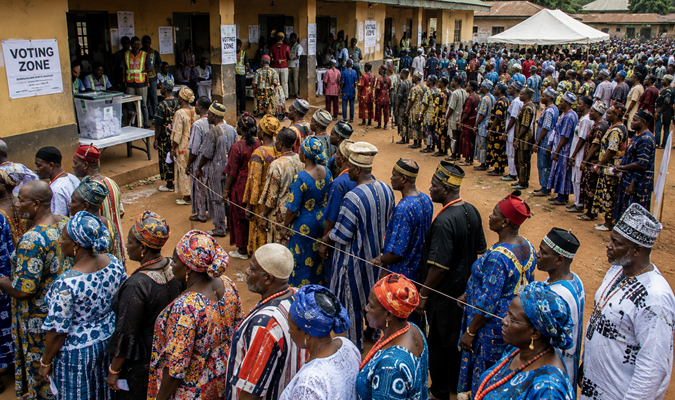

The most dangerous illusion in politics is believing that numbers automatically constitute power. They do not. Numbers become power only when organised around a coherent objective. Kogi East may enters 2027 with considerable electoral capital, yet its recurring internecine rivalries threaten to squander the very leverage that should make it politically consequential.
The remedy is not another round of lamentation. It is strategic consolidation. Kogi East must construct a political compact transcending party affiliation, personal ambition and temporary patronage. Its political class should identify non-negotiable regional priorities and negotiate them collectively with whoever seeks its mandate. That is how electoral weight becomes political currency.
Unity, however, must acquire institutional substance. It should encompass infrastructure, security, education, federal appointments, economic investment, legislative representation and the longstanding agitation for state creation. Parties can remain adversarial; regional interests cannot remain perpetually incoherent. A working democracy answers organised demands with measurable commitments.

State creation requires particular seriousness. If Kogi East genuinely believes that a new state would remedy administrative imbalance, deepen representation and accelerate development, its advocates must transcend rhetoric. They must marshal demographic evidence, constitutional arguments, geographical realities and broad-based consensus, then prosecute the case relentlessly through the lawful constitutional process.
The region must also dismantle the cult of personality that repeatedly distorts its politics. No politician is synonymous with Kogi East. No party possesses hereditary ownership of its electorate. Political legitimacy should derive from competence, accountability, negotiation and demonstrable outcomes—not from the capacity to mobilise primordial loyalties during election season.
The responsibility does not terminate at the regional boundary. President Bola Ahmed Tinubu and the federal establishment should recognise that democratic stability depends upon responsive representation. Kogi East is not asking for political alms. It is entitled to articulate legitimate developmental and constitutional aspirations and to demand that those aspirations receive serious consideration within Nigeria’s federal architecture.
But Abuja cannot manufacture the unity Kogi East itself refuses to cultivate. The region must cease converting every political contest into internecine warfare and every disagreement into existential betrayal. Its leaders must learn the grammar of coalition-building: compete where necessary, negotiate where possible and unite where collective survival demands it.
The 2027 election should therefore become more than another contest for ballots. It should become Kogi East’s political audit—a moment to determine whether its leaders can convert demographic weight into institutional leverage, competing ambitions into negotiated interests and electoral participation into tangible outcomes. A working democracy answers organised citizens with accountability, representation and results. Kogi East must organise before it demands answers.
– Inah Boniface Ocholi writes from Ayah – Igalamela/Odolu LGA, Kogi state.
08152094428 (SMS Only)