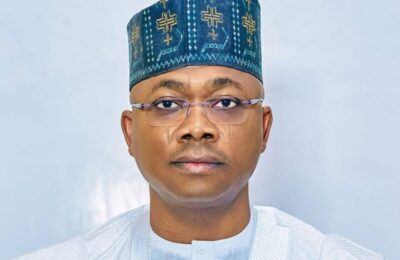
The Nigerian Institute of Town Planners (NITP), Kogi State Chapter, has urged governments at all levels to prioritise inclusive urban planning, sustainable housing and people-centred urban regeneration to address growing pressures on cities.
The chapter’s chairman, Tpl. Sani Daniel, made the call in a statement on Saturday marking the 2026 World Cities Day. The day is observed annually on Oct. 31. This year’s theme is “Regenerating the City: Adequate Housing for All.”
Daniel said the occasion offered an opportunity to reflect on challenges facing cities and settlements. He listed inadequate housing, unplanned urban expansion, infrastructure deficits, environmental degradation and the growing vulnerability of urban populations.

He cited figures from the United Nations Human Settlements Programme (UN-Habitat) showing that up to 3.4 billion people worldwide lack adequate housing. More than 1.1 billion live in informal settlements and slums. Daniel said the figures underscored the urgent need for governments to adopt sustainable and inclusive urban development policies.
Turning to Kogi State, Daniel said population growth, rural-urban migration, industrialisation and rising commercial activity were straining land, housing and infrastructure.
He named Lokoja, the state capital, along with Anyigba, Okene, Kabba, Ankpa, Ajaokuta and Obajana as centres facing increasing development pressure. He said this had contributed to unplanned settlements, inadequate and unaffordable housing, and encroachment on road setbacks and drainage channels. It had also led to poor waste management and construction in environmentally sensitive areas.
The institute said urban regeneration should go beyond demolition, road construction and physical beautification. It said regeneration should also include infrastructure upgrades, housing rehabilitation, environmental improvement, economic revitalisation and the provision of essential services. It stressed the need to protect vulnerable residents, minimise displacement and promote sustainable livelihoods.
The NITP called on the Kogi State Government to prioritise preparing, reviewing and implementing urban master plans for Lokoja and other fast-growing towns. It also advocated comprehensive urban renewal programmes, affordable housing policies, stronger development control mechanisms and adequate institutional support for physical planning agencies.
The institute urged the government to build climate resilience and environmental sustainability into urban development policy. It listed improved drainage, flood-risk management, erosion control, waste management and protection of environmentally sensitive areas, particularly Mount Patti. It also called for greater community participation and stronger partnerships among government institutions, professional bodies, academic institutions and private developers.
Reaffirming its commitment to sustainable urban development, the institute said qualified and registered town planners should be involved in formulating, implementing and evaluating urban policies and projects. It urged government ministries, departments, agencies, local councils and private developers to treat physical planning as a critical tool for orderly development, infrastructure coordination and environmental protection.