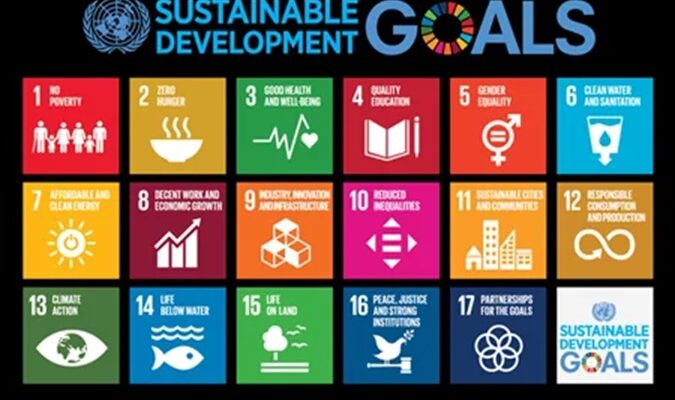

Nigeria adopted the 2030 Agenda early and has been trying to “domesticate” the SDGs across all tiers of government.
Here’s how it’s structured:
NATIONAL LEVEL ALIGNMENT

Key Frameworks:
National Development Plan 2021-2025
: The current plan is directly anchored on the SDGs. It aims for broad-based, inclusive, and resilient economic transformation.
Previous: Economic Recovery and Growth Plan ERGP 2017-2020*: Was “to a large extent aligned to the SDGs
Post-ERGP NDP 2021-2030*: Described as “pivotal in advancing the achievement of the SDGs.
Key Tools:
SDG Model
A home-grown policy simulation tool domesticated by OSSAP ,SDGs, UNDP, and Ministry of Budget & National Planning. It helps states cost their development plans and see financial implications of achieving SDGs
Integrated National Financing Framework INFF, Rolled out to coordinate funding
National Statistical System NSS. Being realigned with SDG indicators .
Flagship Programs
Conditional Grants Scheme CGS to incentivize states to fund SDG areas, National Social Register and N5,000 cash transfer for poor households
STATE LEVEL ALIGNMENT
States are the main delivery point. OSSAP SDGs has been supporting “SDGs-Based Development Planning
What’s happening:
States supported like Akwa Ibom, Bauchi, Gombe, Ekiti, Kaduna, Kwara, Kogi, Lagos, Niger, Ondo, Osun, Oyo, Plateau, Sokoto, Yobe, ZamfaraLaunched SDG-Based Plans
Gombe, Kwara, Osun, Ekiti ,Other states with SDPs aligners
: Benue, Taraba, Yobe, Kaduna, Ebonyi, Kano, Jigawa, Anambra, Delta, SDG models at state level Helps estimate required investments, prioritize interventions, and identify funding gaps.
Goal
Ensure state annual budgets are funding SDG implementation 329e
COMMUNITY / LOCAL GOVERNMENT LEVEL
LGAs are constitutionally closest to the people and handle primary health, basic education, rural infrastructure, sanitation
Community engagement:
NYSC SDGs Champions
OSSAP, SDGs partnered with NYSC to train graduating youths as SDGs champions in communities
Multi-stakeholder consultations
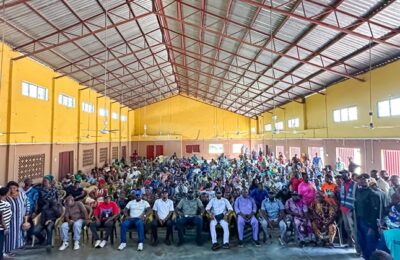
Done across 6 geopolitical zones with govt, CSOs, private sector, communities
Pilot programs
Example ,
Rayuwa programs evaluating community-level interventions in agriculture and education linked to SDG 2, 4, 8. Shows local gains but scalability is a challenge
SECTOR EXAMPLES
SDG 6 Water & Sanitation
Supported by National Water Resources Policy 2016 and National Action Plan for WASH 2018-2030
Data
WASH NORM surveys and NBS coordination
GAPS & CHALLENGES IDENTIFIED
Coordination
Weak policy coordination and siloes between federal/state/LGA
Funding
Dwindling resources, inadequate fiscal prioritization
Capacity
Lack of capacity at sub national level
Data
Inconsistent collection, lack of disaggregated sub national data
Implementation
Progress uneven. Poverty, education gaps, health, insecurity are still major setbacks. Nigeria ranked 146/166 in 2024 SDG Report
POLICY RECOMMENDATIONS BEING PUSHED*
Mainstreaming
SDGs must be “deliberately integrated into national and sub-national policies and development plans”
Budget tagging
Strengthen budget tagging for SDG priorities
Holistic approach
Use “influencers and accelerators” among SDGs to get synergies
Financing
Explore innovative financing, public and private resources
Institutional pathways
Need explicit channels to scale pilot results into NDPs ac82103a
QUICK ALIGNMENT ROADMAP
National
NDP 2021-2025, iSDG Model, INFF Overall 2030 Agenda, all 17 SDGs
State
SDG Based Development Plans and State Budgets Use SDG to cost priorities
Community/LGA
NYSC Champions, CGS, Social Register, Sector Policies Service delivery: Health, Education, WASH, Poverty
Nigeria’s policy direction is clear – mainstream SDGs into NDP and State Plans. The big work now is financing, data, and making sure community pilots scale up through government system
– Benjamin Ibrahim writes from Lokoja, Kogi state.
+2348069596250