
As Nigeria continues its journey toward economic recovery, institutional reform, and sustainable development, leadership remains the most critical factor in determining the nation’s future. At both the national and state levels, President Bola Ahmed Tinubu and Governor Ahmed Usman Ododo have shown the courage, vision, and commitment required to steer Nigeria and Kogi State toward greater prosperity — and both deserve the chance to finish what they have started.
A Foundation for Long-Term Growth
President Tinubu inherited a nation facing enormous economic and structural challenges. Rather than deferring the hard choices, his administration has embraced bold reforms aimed at repositioning the Nigerian economy for long-term growth. Renewed investment in infrastructure, support for local production, expansion of social intervention programmes, and a sustained push on national security have together laid the groundwork for a stronger, more competitive Nigeria.

Reform is rarely comfortable, and this one has asked a great deal of patience from ordinary Nigerians. But the direction of travel matters. A growing commitment to economic diversification, youth empowerment, agricultural development, and infrastructural renewal reflects a leadership focused on the generations still to come, not just the next news cycle.
Consolidation and Continuity in Kogi
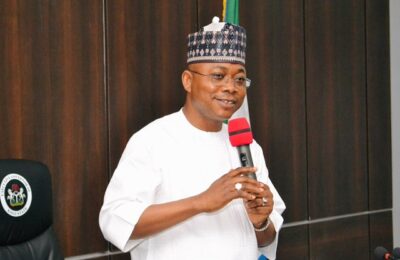
In Kogi State, Governor Ododo has built on the developmental foundation laid by his predecessor while bringing his own people-centred approach to governance. His administration has shown real commitment to rural development, workers’ welfare, healthcare delivery, education, security, and inclusive governance.
What has struck me most is his accessibility — his attention to grassroots needs and his insistence that no community be left behind. That has earned him the trust of citizens across the state. His focus on continuity and consolidation has brought stability while accelerating development projects in both urban and rural communities.
A Shared Philosophy of Governance
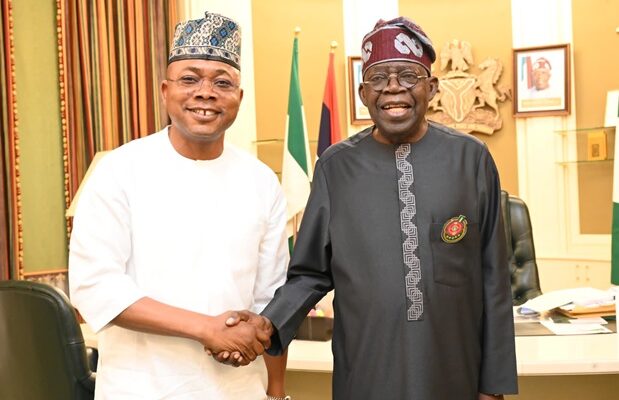
What distinguishes President Tinubu and Governor Ododo, in my view, is a shared understanding that governance must be people-oriented. Both administrations have consistently prioritised policies designed to improve the quality of life of ordinary citizens — from economic reforms at the national level to grassroots interventions here in Kogi. The impact of that leadership continues to resonate across every sector that touches daily life.
The Case for 2027
As Nigerians and Kogites look ahead to the next elections, I believe the question should not be about politics for its own sake, but about performance, continuity, and the need to sustain the developmental strides already made. The progress achieved so far is, to my mind, a compelling case for the re-election of both President Tinubu and Governor Ododo.
Leadership is ultimately judged by results, by vision, and by the ability to inspire confidence in the future. By those standards, I believe both men have earned the continued trust of the people they serve. A renewed mandate for each would offer the chance to consolidate ongoing reforms, deepen development initiatives, and open up greater opportunities for citizens.
The task before supporters, stakeholders, and well-meaning Nigerians is clear: to keep mobilising support for leaders whose policies are geared toward national growth, state development, and shared prosperity. The future is brighter when progress is sustained — and for Nigeria and Kogi State, continuity under President Tinubu and Governor Ododo represents a pathway toward greater development, stability, and shared prosperity for all.
Signed:
Hon. Bank-Andrew Omonisaye
Special Adviser to the Governor on Special Interest Groups