
By Musa Bakare
Nations do not rise by preserving comfortable illusions. They rise when courageous leaders confront entrenched interests, dismantle unsustainable structures, and compel society to face difficult truths.
Throughout history, every meaningful reform has attracted resistance from those who benefited from the old order.

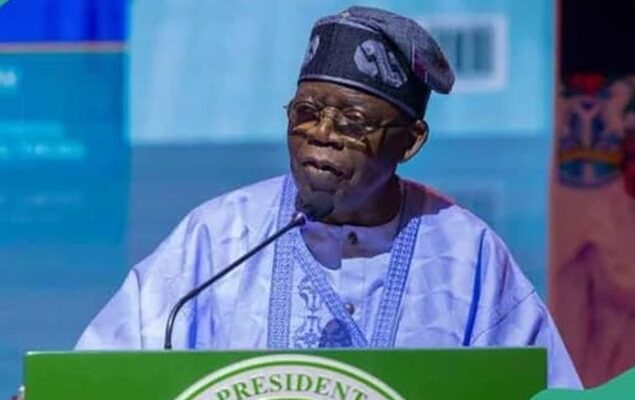
President Bola Ahmed Tinubu stands today at the center of such a historic struggle in Nigeria.
The easiest thing for any leader is to maintain the status quo. The easiest path is to postpone hard decisions, borrow against the future, subsidize inefficiency, and leave the bill for another generation.
History does not celebrate caretakers of decay. History remembers those who dare to perform painful surgery on a wounded nation.
When President Tinubu assumed office in 2023, Nigeria was confronted by deep structural distortions that had accumulated over decades. Institutions that should have been engines of productivity had become weighed down by inefficiency.
Economic policies designed as temporary remedies had hardened into permanent burdens. Systems intended to serve the public had increasingly become avenues for privilege and rent seeking.
A nation cannot continuously consume more than it produces and expect prosperity. No civilization has ever succeeded by rewarding dependency while punishing productivity.
This is why the reforms initiated under the Tinubu administration represent more than economic adjustments. They are part of a larger struggle to restore merit, accountability, and national discipline.
The removal of the fuel subsidy demonstrated a willingness by President Tinubu to confront one of Nigeria’s most politically sensitive challenges.
For decades, successive governments acknowledged the problem but lacked the political courage to address it decisively.
President Tinubu acted where others hesitated.
Efforts aimed at reforming public institutions and improving efficiency reflect an understanding that Asiwaju Tinubu’s government exists to serve the people, not to preserve bureaucratic comfort zones.
History teaches that reformers are rarely applauded in the moment. Abraham Lincoln faced fierce opposition. Charles de Gaulle confronted hostility. Lee Kuan Yew was criticized before Singapore became a model of development.
Great reforms often appear unpopular before their benefits become visible.
Every generation is presented with moments of testing. There are seasons when a nation must choose between temporary comfort and lasting progress, between sentiment and sacrifice, between convenience and transformation.
Nigeria is passing through such a season.
No one claims President Tinubu is beyond criticism. No leader is. Democracy thrives on accountability. Fairness however demands that his criticisms be balanced with recognition of his great efforts, courage, and results.
It is intellectually dishonest to blame one administration for every problem accumulated over decades while ignoring its attempts to address those very problems he inherited.
The future of Nigeria cannot continue to be built on ethnic suspicion, regional resentment, or the politics of bitterness and division. The destiny of over two hundred million people is too important to be reduced to primordial narratives.
National renewal requires every region, every ethnic group, and every citizen to contribute to the common good.
As Nigeran inches towards 2027, the real battle is not North versus South, Christian versus Muslim, or tribe against tribe. The real battle is between progress and stagnation, productivity and dependency, reform and decay.
Everyone of us President Bola Ahmed Tinubu’s supporters strongly believes that his administration represents an important chapter in that struggle for national renewal. We see a leader willing to challenge long standing orthodoxies and confront difficult realities that many before him avoided.
Whether history ultimately vindicates him will depend on outcomes. One thing is however certain: nations are transformed not by those who fear difficult decisions, but by those willing to bear the burden of change.
Nigeria’s journey toward greatness remains unfinished. But every great journey begins with the courage to take the first difficult step.
May God grant Nigeria wisdom, unity, justice, peace, and prosperity….
May He guide President Bola Ahmed Tinubu, his administration and Nigerans toward the fulfillment of the nation’s enormous destiny.
– Musa Asiru Bakare, a Political Analyst, writes from Lokoja, Kogi State.