
By Idris Rufai
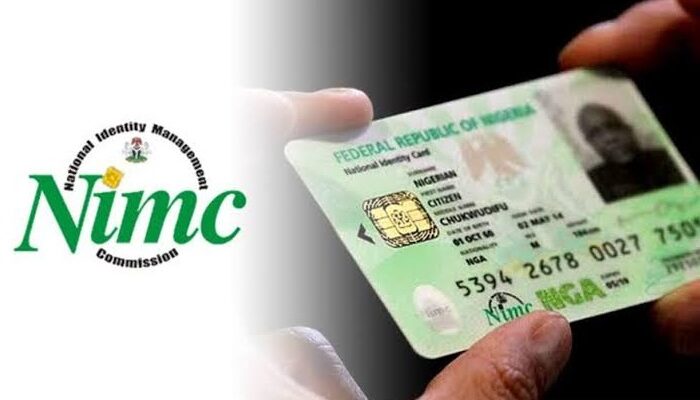
Nigeria’s National Identification Number (NIN) was introduced to improve identity management, strengthen national planning and make citizens’ identification easier. However, the difficulties many Nigerians face when correcting errors in their NIN records are becoming a growing concern that deserves urgent attention.
For citizens affected by spelling mistakes in their names, incorrect dates of birth and other discrepancies in their personal information, correcting these errors can be both financially demanding and time consuming. What should ordinarily be a straightforward administrative process has become a challenge for people who cannot afford the required charges.

The question is simple: why should a Nigerian citizen struggle financially to correct an error in an official identification record that is necessary for accessing essential services and opportunities?
Government exists to serve the people, and public institutions should operate in ways that promote citizens’ welfare. Although identity management requires proper procedures, verification and administrative resources, these processes should not impose unnecessary hardship on ordinary Nigerians.
One major concern is the impact of incorrect NIN information on employment opportunities. Many young Nigerians are searching for jobs in an increasingly competitive environment. Unfortunately, discrepancies between NIN records and other official documents can create complications during job applications, recruitment screening and identity verification.
Imagine a qualified job seeker who has spent years acquiring an education and developing professional skills but encounters difficulties because of a spelling error or an incorrect date of birth on their NIN record. For someone already struggling financially, the cost of correcting the error may become another obstacle standing between them and a potential opportunity.
This is not merely an administrative concern; it is an issue that affects access to opportunities, social inclusion and the ease of doing business. A national identification system designed to make identification easier should not become a source of frustration for the very citizens it is intended to serve.
The Federal Government and the National Identity Management Commission (NIMC) therefore need to reconsider the current challenges surrounding NIN corrections. There should be a clear distinction between genuine administrative errors attributable to the registration process and other changes that require additional verification.
Where errors result from mistakes made during registration, free correction should be considered. For other categories of correction, charges should be reasonable, transparent and affordable, with clear guidelines to prevent citizens from being exploited or misinformed.
Beyond the issue of cost, there is also a need to embrace technological advancement in the administration of the NIN system.
Why should citizens face unnecessary difficulties accessing and correcting their personal information in an era when technology has made digital services easier and more accessible?
In my opinion, NIMC should develop a secure digital platform that allows individuals to access their NIN dashboards through smartphones and other smart devices. Through such a platform, citizens could view their personal information, identify errors, initiate correction requests, monitor application progress and receive updates without unnecessary visits to registration centres.
However, sensitive changes should still require appropriate identity verification and security measures to prevent fraud, identity theft and unauthorised access. Technology should make the process easier while protecting the integrity of citizens’ personal information.
Such a system would reduce unnecessary delays, improve transparency, limit congestion at registration centres and make the correction process more convenient for people living in rural communities or facing financial difficulties.
As Nigeria aspires to become a modern and developed nation, attention must be given to the everyday challenges that prevent citizens from accessing opportunities. National development is not measured only by infrastructure projects, economic policies or technological achievements; it is also reflected in how efficiently public institutions respond to the needs of ordinary people.
A reliable national identification system is essential for planning, security and service delivery. However, its effectiveness depends not only on the number of citizens registered but also on the accuracy of their records and the accessibility of the services provided.
The Federal Government should therefore take practical steps to ensure that financial hardship does not prevent citizens from correcting genuine errors in their NIN records. NIMC should also strengthen public awareness of correction procedures, approved charges, required documents and expected processing times.
NIN should serve as a bridge between citizens and opportunities, not a barrier that delays their progress. A system created to improve identification must not unnecessarily complicate the lives of people seeking employment, education and other essential services.
Ultimately, the goal should be a national identification system that is accurate, secure, affordable and accessible to every Nigerian, regardless of economic status.
The time has come for the Federal Government to rethink NIN administration and put citizens’ convenience at the centre of its reforms. A country cannot fully embrace digital transformation while ordinary citizens continue to struggle with avoidable administrative barriers. The purpose of technology and governance should be to make life easier, protect citizens’ rights and expand opportunities for all.
– Idris Rufai
Email: idrisrufai744@gmail.com