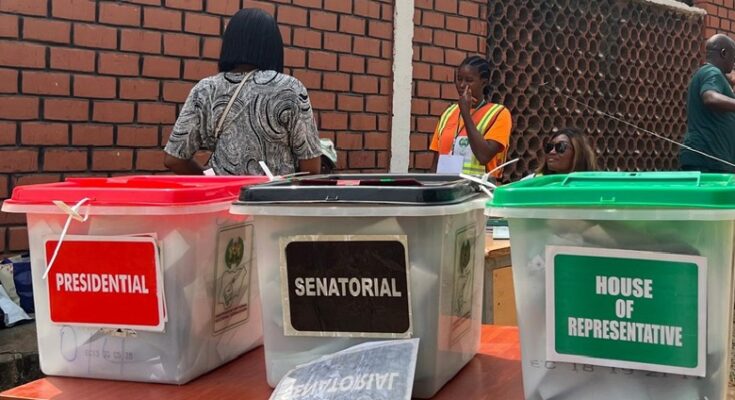

Democracy in Kogi State appears to be acquiring a curious Nigerian accent: elections are announced, political machinery rumbles, and the language of popular sovereignty fills the air, yet citizens are left wondering whether they are participants in an election or spectators at a coronation. When selection masquerades as election, the ballot becomes political theatre.
The local government system was designed to bring governance closer to the people, not to move political power further from their reach. Councils should be nurseries of grassroots democracy, where communities choose their representatives freely. When party calculations overshadow voters’ choices, local government becomes a beautifully painted house with no doors for ordinary citizens.
There is a peculiar comedy in organising elections whose outcomes appear settled before the electorate has spoken. It is like inviting passengers to board a train after the destination has been decided, the doors locked, and the driver instructed to follow a predetermined route. The ceremony remains impressive; the freedom to choose becomes the missing passenger.

The ballot box is democracy’s microphone. It gives the trader, teacher, farmer, artisan and unemployed graduate a chance to speak in a language political power cannot legitimately ignore. But when electoral processes inspire more suspicion than confidence, that microphone becomes a decorative prop, displayed to suggest participation while the real conversation happens elsewhere.
Those who defend questionable electoral arrangements must understand that democracy is not measured by the number of ballot boxes purchased, officials deployed or announcements broadcast. Its legitimacy rests on whether voters can choose freely, candidates can compete fairly, and votes can determine outcomes. An election is not credible merely because the calendar calls it election day.
Kogi’s political leaders and electoral authorities therefore face a fundamental question: what meaning does local government democracy retain when citizens doubt their ability to influence its outcomes? The answer cannot be another press statement or a parade of official assurances. Credibility requires transparent procedures, impartial administration, meaningful competition and evidence that every legitimate vote matters.
The danger extends beyond individual council seats. When citizens repeatedly perceive elections as rituals rather than genuine contests, cynicism becomes political inheritance. Young people learn to admire connections over competence, loyalty over accountability, and access over public service. Democracy then resembles a well that remains physically intact but offers the community no water.
Kogi deserves more than elections that satisfy administrative requirements while leaving citizens questioning their political relevance. Democracy must be a living contract, not a ceremonial costume worn every election season. If the people are sovereign, their votes must carry consequences. Otherwise, the state risks perfecting an extraordinary political paradox: elections without meaningful choice, and representation without the represented.
– Inah Boniface Ocholi writes from Ayah – Igalamela/Odolu LGA, Kogi state.
08152094428 (SMS Only)