
By Idris Rufai
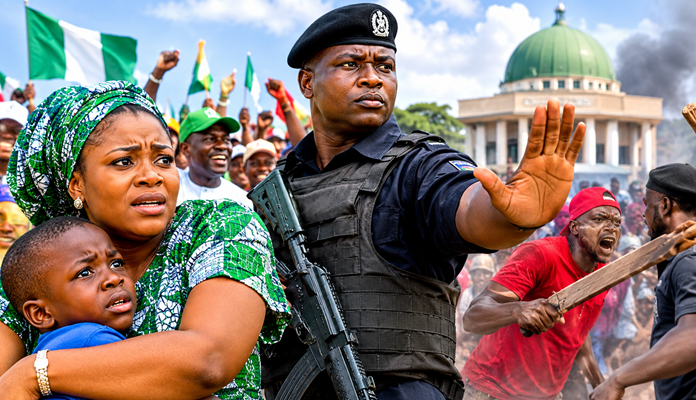
Nigeria’s democracy cannot thrive where political campaigns become a source of fear, violence and destruction. The recent reports of political violence in Katsina State should not be dismissed as mere disorder. Rather, they should serve as a wake up call to political leaders, security agencies and relevant authorities to strengthen measures that will guarantee peaceful political participation across the country.
For how long will Nigeria continue to witness political violence before establishing and enforcing effective safety measures to protect citizens during political rallies and campaigns?

In a democratic society, political competition should be based on ideas, policies, debates and the freedom of citizens to choose their leaders. Violence, intimidation and the destruction of property have no place in a system that recognises the right of every eligible citizen to vote and be voted for.
An educated and politically conscious society understands that political disagreements do not have to result in hostility. Citizens should be free to support their preferred candidates, attend political rallies, express their opinions and participate in campaigns without fearing attacks because of their political affiliations.
While political debates and campaigns are essential to democracy, ensuring the safety of participants is equally important. Political parties, therefore, have a responsibility to educate their supporters on peaceful conduct, respect for opposing views and the need to protect public and private property during political activities.
Security agencies and relevant authorities must also move beyond routine assurances of safety. They should develop and enforce practical security arrangements before, during and after political rallies. Such measures should include proper crowd management, risk assessment, early identification of potential threats and appropriate sanctions for individuals who engage in political violence.
It is not enough to condemn political violence after lives have been lost or properties destroyed. Prevention must become a priority.
Every election season, Nigerians express concern over political violence, often taking to social media to condemn attacks and demand justice. However, the question remains: how long will citizens continue to raise their voices against this menace without seeing lasting solutions?
Addressing political violence requires more than public condemnation. It demands sustained action at the grassroots level, where political mobilisation often begins. Community leaders, traditional institutions, youth organisations, political party representatives and civil society groups must work together to discourage violence and promote peaceful political engagement.
Young people, in particular, must understand that political loyalty should never become a reason to endanger their lives or the lives of others. No political ambition is worth the destruction of lives, the loss of property or the breakdown of peaceful relationships within communities.
Political leaders must also be held accountable for the conduct of their supporters. Those who encourage, finance or deliberately exploit violence for political advantage should face the consequences of their actions in accordance with the law. At the same time, the authorities must ensure that investigations and prosecutions are impartial and free from political interference.
The right to political freedom belongs to every Nigerian, regardless of party affiliation. No individual or group should claim superiority over others or use intimidation to prevent opponents from exercising their democratic rights.
Democracy becomes meaningful when citizens can disagree without becoming enemies. A supporter of one political party should be able to engage with a supporter of another party without fear of physical assault, threats or destruction of property. Political differences should encourage constructive debate, not hatred and violence.
The situation in Katsina State, alongside other incidents of political violence across Nigeria, should remind us that democratic freedom cannot be separated from public safety. Where citizens are afraid to attend rallies, express political opinions or campaign for their preferred candidates, the democratic process is weakened.
Nigeria must wake up to the dangers of political violence. The responsibility to protect democracy does not rest on the government alone; it requires collective commitment from political parties, security agencies, community leaders and citizens.
The time has come to replace political hostility with dialogue, intimidation with tolerance, and violence with peaceful competition. Authorities must take concrete steps to protect political activities, while political parties must demonstrate that winning elections should never come at the expense of human life and public peace.
If these measures are taken seriously and implemented consistently, Nigeria can build a political environment where every citizen enjoys the freedom to campaign, participate and vote without fear.
Political freedom is a democratic right, but protecting lives and property is a collective responsibility. Nigeria must ensure that political differences never become a licence for violence.
– Idris Rufai
idrisrufai744@gmail.com