
By Yusuf Kabiru David
Kogi State is blessed with human and natural resources, a rich cultural heritage, and a population known for its resilience and hardworking spirit. Yet, beneath these blessings lies a troubling reality: many young people in the state are struggling to secure employment, establish businesses, and build the future they deserve.
Created on August 27, 1991, during the administration of former military President General Ibrahim Babangida, Kogi State was carved out of the former Kwara and Benue states. Since its creation, the state has remained an important part of Nigeria, endowed with mineral resources, agricultural potential, and a vibrant population.

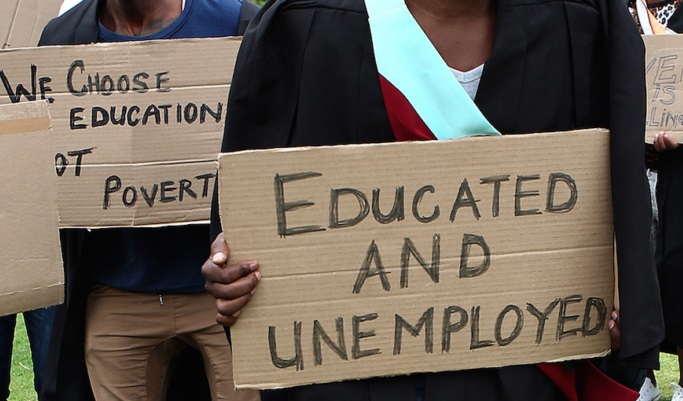
However, one question continues to trouble many young people in Kogi State: Are we not educated enough, qualified enough, or capable enough to succeed in our own state?
This question reflects the frustration of graduates who have spent years acquiring knowledge and professional skills, only to discover that securing employment remains a difficult task. Many are forced to travel to other states in search of opportunities, while others struggle to afford basic necessities despite their educational qualifications.
Education should be a pathway to opportunity, not a source of frustration. Unfortunately, when graduates cannot find jobs or establish sustainable livelihoods, their hopes begin to fade. Prolonged unemployment can contribute to emotional distress, depression, and feelings of hopelessness among young people. This situation deserves urgent attention from government, community leaders, and other stakeholders.
The problem, however, goes beyond formal education. Kogi State has a strong agricultural tradition, and many families have relied on farming for generations. Agriculture remains an important source of livelihood, but today’s youths also need opportunities in technology, manufacturing, commerce, construction, and other productive sectors.
Many young people have turned to vocational training and entrepreneurship, hoping to become self-reliant. They learn skills such as tailoring, welding, hairdressing, electrical installation, and other trades. Unfortunately, some face another obstacle after completing their training: the high cost of obtaining their freedom from their masters.
When a young person spends years learning a trade but cannot afford the fees required to become independent, the purpose of the training is undermined. Apprenticeship should empower young people, not leave them trapped in financial difficulties.
It is time for traditional rulers, community leaders, trade associations, and government officials to work together to address these challenges.
Community leaders and associations should encourage artisans and master craftsmen to adopt fair and reasonable freedom fees. Where possible, support schemes should be established to help qualified apprentices begin their independent careers. Such measures would promote entrepreneurship, reduce financial barriers, and create opportunities for more young people.
The Kogi State Government also has a responsibility to create an environment in which young people can thrive. This requires more than political promises. It demands practical policies that encourage investment, support small businesses, improve access to affordable credit, expand vocational training, and attract industries capable of employing local residents.
Furthermore, graduates should be encouraged to explore entrepreneurship without being abandoned to their struggles. Access to business training, start-up funding, mentorship, and affordable workspace could help transform their ideas into sustainable businesses.
Young people must also recognize their responsibility to develop themselves, acquire relevant skills, embrace innovation, and take advantage of legitimate opportunities. Nevertheless, individual determination alone cannot solve a problem that requires collective action.
Kogi State has the potential to become a place where young people can study, acquire skills, establish businesses, and build successful careers without being compelled to leave their communities in search of better opportunities.
The question is whether those entrusted with leadership will take the necessary steps to turn this potential into reality.
The future of Kogi State depends significantly on how it invests in its young population today. Unemployment should not become the defining experience of a generation that has the talent, energy, and determination to contribute to development.
Our youths are not asking for charity; they are asking for opportunities to work, grow, and contribute to the development of their state.
The time to act is now. Government, community leaders, business owners, and young people must join hands to build a Kogi State where hard work is rewarded, skills are valued, and opportunities are accessible.
May God bless Nigeria, and may God bless Kogi State.
– Yusuf Kabiru David
Davidwisdom508@gmail.com
08140991717