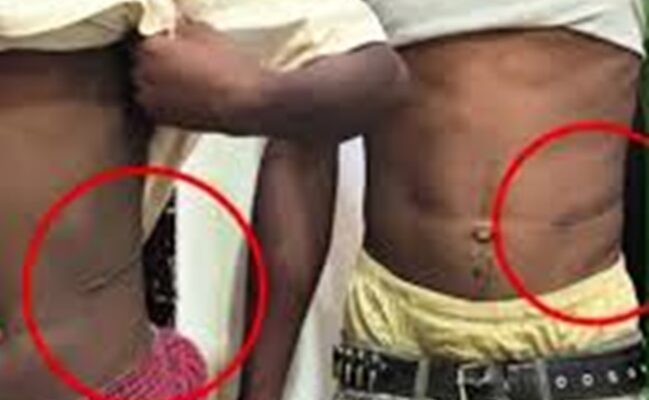

If the allegation emerging from Egume is true, Nigeria is confronting something darker than youthful desperation. It is a disturbing economy of survival in which the human body becomes collateral for motorcycles, cash and the appearance of prosperity.
The alarm raised by the traditional ruler of Onu Egume/Okura District, His Royal Highness Ochimana Simon Anu, deserves sober attention. Allegations of youths surrendering kidneys for money cannot be treated as ordinary community gossip. They demand vigilance, investigation and protection of vulnerable young people.
A motorcycle depreciates. Money disappears. Fashion fades. Property changes hands. An organ does not belong in that marketplace. No material possession should command a price so grotesque that a young person must mortgage his health to acquire it. Wealth that destroys the owner is merely decorated ruin.

“For what shall it profit a man, if he shall gain the whole world, and lose his own soul?”
— Mark 8:36
But beneath the alleged practice lies a harder question: what kind of society makes dangerous shortcuts appear attractive? When success is measured by motorcycles, expensive clothes, phones and sudden displays of affluence, young people can mistake appearance for achievement. Poverty then becomes not merely an economic burden, but a psychological pressure.
Parents, churches, schools, traditional institutions and government cannot afford to watch from the roadside. Young people need honest conversations about financial desperation, exploitation, fraudulent promises and the consequences of irreversible decisions. Community vigilance must become preventive, not merely punitive, because sanctions after tragedy cannot restore damaged health.
“Keep thy heart with all diligence; for out of it are the issues of life.”
— Proverbs 4:23
If kidney trafficking is taking place, law-enforcement agencies must establish the facts and pursue anyone exploiting vulnerable youths. If the allegations prove unfounded, responsible authorities should correct the record. Either way, Egume has raised a question that extends beyond one community: when did possessing something become more important than preserving oneself?
Nigeria must redefine prosperity before desperation defines another generation. A motorcycle can be earned again; money can be recovered; possessions can be replaced. A kidney cannot be bought back with the very wealth for which it was sacrificed. The first duty of every community is therefore not to manufacture wealthy-looking youths, but to keep its young people alive, whole and hopeful.
– Inah Boniface Ocholi writes from Ayah – Igalamela/Odolu LGA, Kogi state.
08152094428 (SMS Only)