
By Opeyemi Gbemiro
The Nigerian Navy has commissioned and handed over a maternity and neonatal healthcare facility at Ega Ward in Idah Local Government Area of Kogi, under the Chief of Naval Staff (CNS) Special Intervention Quick Impact Project Scheme.
The facility, comprising a maternity and neonatal block, solar power system and borehole, is part of the Navy’s Civil-Military Cooperation initiative aimed at supporting community development and strengthening relations between the military and the civil populace.

The Chief of Naval Staff, Vice Adm. Sidi Abbas, represented by the Director of Veterans Affairs at Naval Headquarters, Rear Adm. Raheem Taofeek, said the project would improve the quality of life of residents and enhance access to maternal and neonatal healthcare.
Abbas, who commended the project team for completing the intervention as scheduled, congratulated Rear Adm. I. E. Shehu and the people of Ega Ward on the milestone.
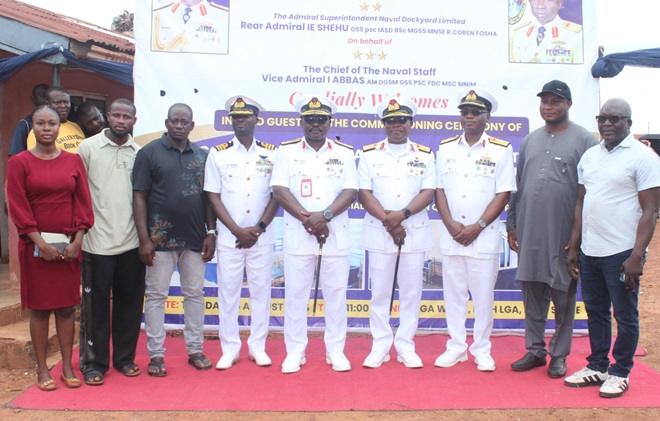
He urged the beneficiaries to take ownership of the facility, maintain it responsibly and protect it to ensure that it continued to serve the community for generations.
The CNS also called on residents to sustain civil-military cooperation by collaborating with the Nigerian Navy, the Armed Forces and other security agencies in addressing threats to collective safety and wellbeing.
He acknowledged the contributions of the community, ward and local government administrations to the successful completion of the project.
Earlier in his welcome address, Shehu described the intervention as a significant milestone in the partnership between the Nigerian Navy and the Ega community.
He explained that the project was initiated following a needs assessment conducted in consultation with community leaders, traditional institutions and health officials to identify priority areas and complement existing government efforts.
According to him, the intervention was also informed by his connection to the community and a desire to honour the memory of his late father, who lost his mother in infancy in Idah nearly 90 years ago.
Shehu said the facility was designed to provide quick access to maternal and neonatal healthcare, promote public health and support government’s developmental efforts.
He said the facility included a waiting area, doctors’ and nurses’ consultation and examination rooms, delivery room, two-bed recovery room for mothers and infants, pharmacy/store and other medical support equipment.
The Rear Admiral added that the facility was equipped with an 8KVA solar inverter system supported by two 15KWh lithium batteries and a borehole with 3,000-litre storage tanks.
Shehu expressed optimism that the intervention would bring renewed hope to residents and further strengthen the relationship between the Navy and the community.
He commended Abbas for his leadership and commitment to projects that positively impacted communities, stressing that the Navy’s responsibility extended beyond securing the nation’s maritime domain to supporting the wellbeing of Nigerians.
The Chairman of Idah Local Government Area, Mr Alfa Halilu, commended the Navy for its interventions in the area, particularly in security and community development.
Halilu described Shehu as a worthy son of the soil and urged other indigenes in the diaspora to emulate him by contributing to the development of their communities.
He assured that the community would take proper ownership of the facility and ensure its security and maintenance.
The Attah Igala, Mathew Opaluwa, also appreciated Shehu for the intervention and prayed for God’s continued blessings and strength for him to do more for humanity.
Similarly, the Vice President of Ega Development Forum, Mr Arume Okpanachi, commended the CNS for recognising the healthcare needs of the community.
Okpanachi said the provision of the maternity facility would remain indelible in the hearts of the people, adding that the intervention was a worthy example for other sons and daughters of the Igala Kingdom to emulate.
He noted that if more indigenes embraced the culture of giving back to their communities through developmental projects, the Igala Kingdom would witness greater development.
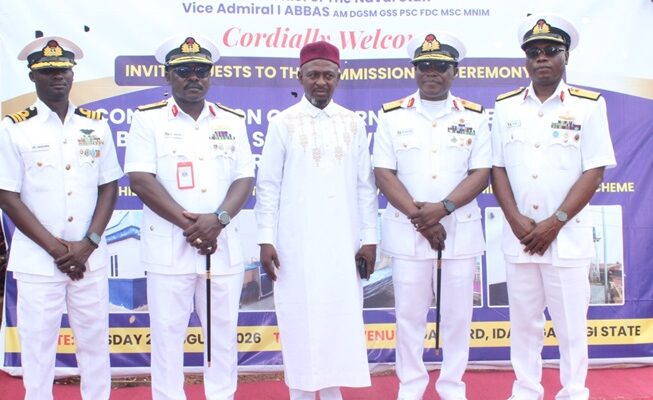
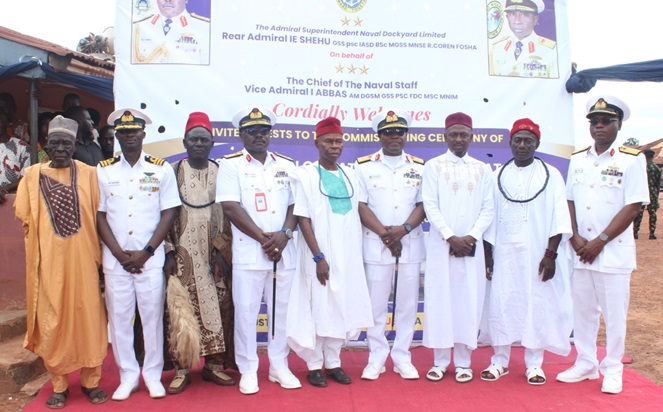
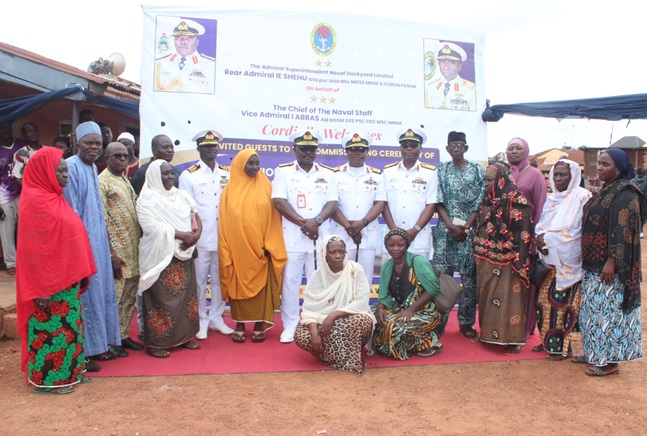
The commissioning was attended by community leaders, traditional rulers, representatives of the local government and other stakeholders.
(NAN)