
The Forum of State Independent Electoral Commissions of Nigeria (FOSIECON) has called on state governments and Houses of Assembly to guarantee financial autonomy for State Independent Electoral Commissions (SIECs) by setting aside one percent of monthly local government allocations as a statutory First-Line Charge.
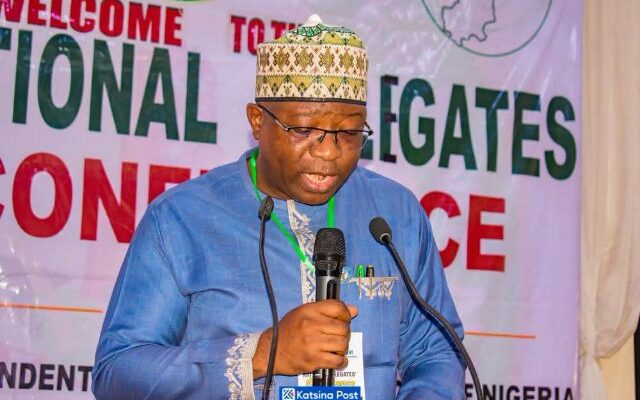
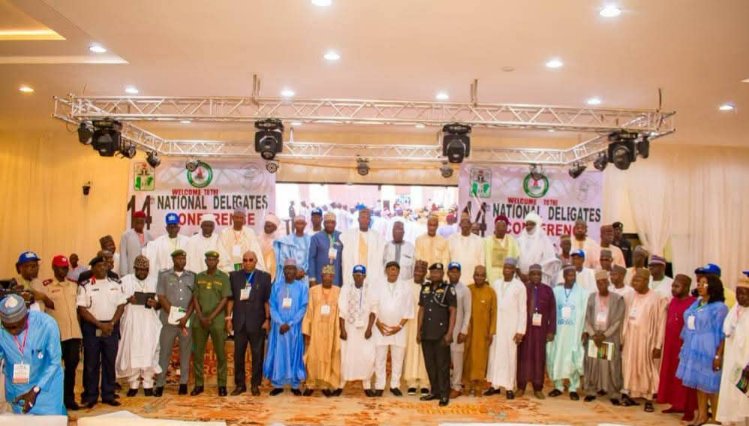
The demand was contained in a communique issued at the close of FOSIECON’s 14th National Delegates Conference, held in Katsina from July 20 to 24, 2026, under the theme “Understanding Voter Apathy in Nigeria’s Elections: Reality or Misconception.”
The conference drew SIEC chairmen and members, legal practitioners, academics, civil society representatives, traditional institutions, INEC officials, security agencies and development partners to examine the future of local government elections in Nigeria.

Funding autonomy
FOSIECON identified inadequate, irregular and unpredictable funding as one of the greatest challenges facing SIECs, warning that it undermines institutional independence and the credibility of local government polls. The Forum resolved that states should amend their SIEC laws to institutionalize the 1% First-Line Charge, arguing that sustainable funding would allow commissions to plan ahead, procure election materials early, invest in technology and expand voter education. It also urged periodic review of state electoral laws to align with the constitution, judicial rulings and international standards, and called on states to adopt progressive provisions of the Electoral Act where legally permissible.
Voter apathy examined
On the conference theme, delegates concluded that declining voter turnout should not be dismissed as a simple lack of citizen interest. The communique cited insecurity, misinformation, inadequate voter education, logistical challenges, political distrust, economic hardship and doubts that votes count as interlocking drivers of apathy — while noting that many Nigerians remain willing to vote when elections are seen as transparent, peaceful and credible. Rebuilding that confidence, the Forum said, will require coordinated action among SIECs, INEC, political parties, security agencies, civil society, traditional and religious institutions, and the media.
Women’s representation
Delegates also raised concern over the underrepresentation of women in local government councils, attributing it to socio-cultural norms, economic constraints, political violence and discriminatory party practices. FOSIECON called for deliberate policies to support women aspirants, reforms to nomination procedures that reduce financial barriers, and public enlightenment campaigns to dismantle harmful stereotypes, alongside leadership and economic empowerment programs for women.
New strategic vision
The conference formally adopted the philosophy “Re-imagining SIECs as Laboratories of Subnational Democratic Innovation — Why Not, If Not?” as a pathway for reform, urging every SIEC to become a center of excellence in electoral innovation, digital transformation, civic education and research.
Other resolutions called for the regular conduct of local government elections within legal timelines, continued investment in staff development and data management, stronger efforts to combat misinformation, and greater internal democracy within political parties.
FOSIECON commended development partners for their support and thanked Katsina State Governor Dikko Radda and the Katsina State Independent Electoral Commission for hosting the conference.
The Forum said faithful implementation of the resolutions — particularly statutory funding and the new democratic-innovation agenda — offers “the surest path to restoring public confidence and consolidating grassroots democracy” in Nigeria.
The communique was signed by FOSIECON National Chairman, Hon. Mamman Nda Eri and General Secretary, Hon. Genevieve Osakwe, Esq.