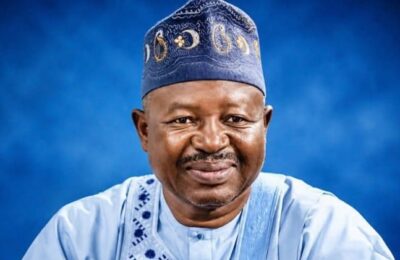
For decades, Nigeria’s reputation on the global stage has faltered, marked by a troubling political landscape. The question lingers: What kind of political brands are Nigerian leaders cultivating? Integrity and quality have become scarce commodities, undermining the public’s trust. In this environment, dreams of countless youths remain stifled. To ignite change, Nigerian leaders must focus on building robust political reputations rooted in intelligence, responsibility, and tangible results.
A strong political brand begins with authenticity. Nigerian politicians must embrace transparency and communicate their values clearly to the electorate. This requires consistent engagement with citizens, addressing their concerns, and showcasing a commitment to accountability. By fostering an open dialogue, leaders can create a sense of partnership with the public, allowing for greater collaboration in problem-solving.
Intelligence must underpin the political discourse. Nigerian leaders need to prioritize educational initiatives, investing in knowledge-based solutions to address pressing issues. By integrating critical thinking and innovative strategies into governance, politicians can dismantle the perception of ineffectiveness. As a result, a new generation of leaders can emerge—one that is relatable and equipped to navigate complex challenges.

Responsibility is another cornerstone of effective political branding. Nigerian leaders must demonstrate a commitment to the welfare of their constituents, prioritizing policies that uplift society rather than serving personal interests. By embracing ethical decision-making, politicians can set a powerful example for future generations. It is essential for leaders to embody the change they wish to see, inspiring citizens to contribute positively to national development.
The impact of building a reputable political brand extends beyond the immediate political arena. A renewed focus on integrity and excellence can inspire hope among the youth, reigniting their aspirations for a brighter future. When politicians commit to intelligent governance, the results become evident—improved living standards, increased opportunities, and a flourishing economy.
In this pivotal moment, Nigerian leaders have a choice. They can continue down a path of neglect, or they can rise to the occasion, crafting a political legacy marked by trustworthiness and effectiveness. Building a strong political reputation is not merely a necessity; it is an investment in the nation’s future. By prioritizing quality, integrity, and results, Nigerian politicians can become true agents of change, transforming not only their image but the nation as a whole.
– Inah Boniface Ocholi writes from Ayah – Igalamela/Odolu LGA, Kogi state.
08152094428 (SMS Only)