
Nigeria is not failing because its problems are invisible. They stare us in the face. We are failing because interests profit from dysfunction, while citizens learn to survive it. Our answers exist; courage remains scarce.
Countries rarely collapse in one moment. They decay quietly through compromised institutions, abandoned classrooms, manipulated elections, stolen opportunities, tolerated injustice and declining standards. By the time the roof caves in, termites have consumed the house.
Nigeria must stop confusing political activity with progress. Commissioning projects, announcing programmes and delivering speeches mean little when insecurity, unemployment, weak education and economic hardship persist. Motion can be impressive while a nation remains stationary.

The dangerous political culture teaches citizens to celebrate crumbs because they have been denied bread. When employment becomes patronage, public resources become electoral weapons and government access requires connections, citizenship becomes privilege rather than right.
Democracy cannot survive as a ritual. Elections must become instruments of accountability, not four-year ceremonies where citizens exercise power before returning to helplessness. The ballot is a contract, and every government must account for performance.
Citizens are not innocent spectators. We condemn corruption when excluded from its benefits, demand merit until relatives need appointments, and denounce godfatherism until our candidate acquires one. Such contradictions feed the machine that disappoints us.
The greatest casualty is Nigeria’s younger generation. Brilliant minds confront unemployment, insecurity and shrinking opportunity, viewing migration as an escape. When a country exports its brightest citizens, it does not lose people; it mortgages future.
Education should be the great equaliser, yet neglected classrooms remain monuments to contradiction. A country cannot demand innovation while starving knowledge, or expect excellence from teachers and students trapped in institutions denied tools, funding and attention.
Security is fundamental. Farmers cannot produce when fear stalks their fields. Businesses cannot invest when uncertainty becomes operating cost. Citizens cannot build lives when violence repeatedly interrupts existence. Security is not luxury; it is infrastructure.
Yet Nigeria is not condemned to dysfunction. Its assets remain human: resilient citizens, inventive entrepreneurs, teachers, honest officials and ambitious young people. Transformation begins when these strengths meet institutions, disciplined leadership and consequences for failure.
What we need is not a slogan but discipline. Government must govern; officials must account; laws must apply without fear or favour; citizens must vote with evidence, memory and judgment rather than sentiment or patronage.
The future will judge records, not excuses. It will ask what we did when institutions failed, corruption spread and youth lost hope. Answer must be action: demand results, defend accountability, reject complicity and build courage.
History is already taking notes. Each vote, policy, silence, compromise and courageous action becomes part of our inheritance. We cannot postpone responsibility until another election. The bridge is damaged, and repairing it begins now.
When our children ask what we did with the country we inherited, ‘we tried’ is not enough. They deserve evidence of courage and reform. Let us leave them institutions, opportunity and a nation worth believing.
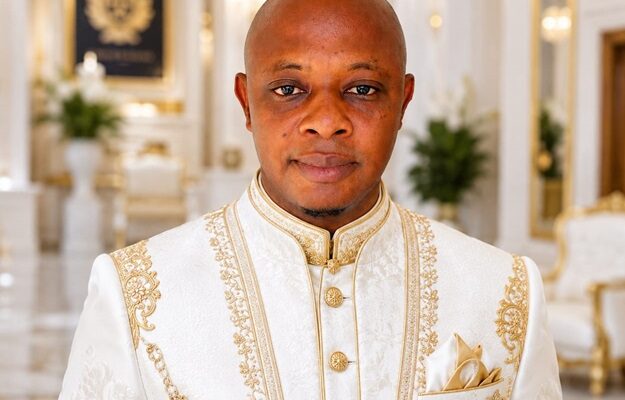
– Inah Boniface Ocholi writes from Ayah – Igalamela/Odolu LGA, Kogi state.
08152094428 (SMS Only)