
By Matthew James Avabee.
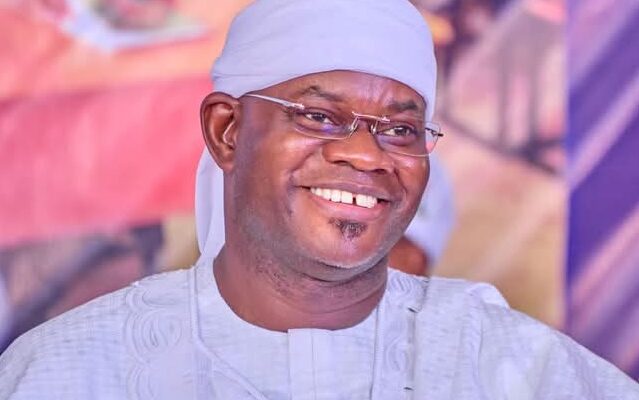
His Excellency, Alhaji Yahaya Adoza Bello served as Governor of Kogi State from January 27, 2016 to January 27, 2024, emerging as one of Nigeria’s youngest state executives at the time of his assumption of office. Across two terms, his administration focused on redefining governance, accelerating development, strengthening institutions, empowering citizens especially youths and laying a durable foundation for long-term growth across the state.
During his eight years in office, Bello prioritized infrastructure development, youth empowerment, education reform, healthcare improvement, revenue growth, and the strengthening of unity among Kogi East, Central, and West.

In infrastructure, his administration constructed and rehabilitated major roads across Lokoja, Okene, Kabba, Ankpa, Olamaboro and other parts of the state. These projects improved rural-urban connectivity, boosted commercial activities, and eased transportation for farmers, traders, students, and civil servants. Township roads and strategic bridges reduced travel time and opened up previously underserved communities for economic participation, directly supporting local businesses and agricultural value chains.
In education, the government Built New and renovated public primary and secondary schools, supplied thousands of desks and learning materials, and recruited teachers to strengthen classroom delivery. The Creation of New State owned University and Expansion of tertiary education created more admission spaces for Kogi youths, reducing the pressure on families seeking opportunities outside the state, Payment of examination fees for students in public schools helped improve enrollment, retention, and academic progression, contributing to a stronger educational foundation for the next generation.
On youth empowerment, Bello’s administration gave young people significant representation in governance by appointing many into key political and administrative offices, providing them with leadership exposure and decision-making experience. Agricultural empowerment programmes supported young farmers with inputs, mechanized tools, and training. Initiatives around the Confluence Rice Mill stimulated agro-processing, created jobs, and strengthened local production capacity, enhancing food security and economic self-reliance.
In healthcare, the upgrading of general hospitals and the development of the Reference Hospital Okene improved access to modern medical services within the state. These improvements reduced the need for residents to travel outside Kogi for specialized treatment. Recruitment of health professionals and improved facilities strengthened service delivery and enhanced overall healthcare outcomes.
On revenue generation, reforms in tax administration and internal revenue systems strengthened the state’s Internally Generated Revenue, reducing overdependence on federal allocation. Payroll verification and accountability measures were introduced to block leakages, sanitize the civil service system, and promote financial discipline. These fiscal reforms created Jobs and more stable platform for funding development projects.
In promoting unity and inclusiveness, Bello’s administration emphasized equitable distribution of projects and appointments across the three senatorial districts. By encouraging religious and ethnic balance in governance, his government fostered a stronger sense of belonging among the diverse ethnic groups in the state, contributing to political stability and social cohesion.
Overall, the eight-year tenure of Yahaya Adoza Bello focused on building infrastructure, strengthening human capital, empowering youths, improving healthcare delivery, reforming revenue systems, and promoting unity initiatives aimed at positioning Kogi State for sustained development and opportunity for future generations.
– Matthew James Avabee writes from Okehi LGA.