In Kogi politics today, many people no longer see elections as a contest of ideas. They see them as a carefully arranged stage play where the final result is already known long before the first delegate arrives. The recent APC primaries in Kogi East have once again reopened deep anger across Igala land, especially among those who believe the voices of ordinary party members are gradually losing meaning. What should have strengthened democracy instead left many people asking whether political participation in the state still truly matters.
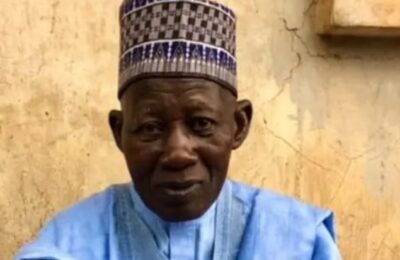
For many Igalas, the frustration goes beyond party politics. It is becoming emotional, cultural and deeply personal. Former governor Yahaya Bello still carries enormous influence within the APC structure in Kogi State, and critics believe that influence continues to shape who rises and who falls politically. Aspirants consult stakeholders, mobilise supporters and spend resources building grassroots acceptance, only for unexpected outcomes to suddenly emerge at the final hour. In many homes across Kogi East, people no longer discuss these outcomes with shock. They discuss them with tired resignation. Look at what he did to Muri for the second time?
That feeling is dangerous because the Igala people are not politically passive by history. Kogi East was once regarded as a major pillar in the political balance of the state. The region produced leaders with influence, negotiation skills and a strong connection to the grassroots. But today, many young people in the area increasingly feel disconnected from the system. They watch seasoned politicians pushed aside while unfamiliar names suddenly appear with full backing from powerful interests. To many of them, it feels as though political loyalty now matters more than competence, popularity or community acceptance.

There is also a growing belief that the patience of the Igala people is being overstretched. Across Nigeria, major ethnic and regional blocs defend their political interests with seriousness and coordination. The Yoruba political class protects its institutions carefully. Northern political networks understand the value of collective bargaining. Even in the South East, internal disagreements rarely erase regional consciousness completely. But in Kogi East, division, fear and political dependency have weakened collective influence over time. Many people now worry that silence is gradually becoming the official language of survival.
Yet the bigger problem is not one man alone. The real crisis is a political culture where institutions appear weaker than individuals. Political parties are expected to reflect internal democracy, fairness and open competition. Instead, many Nigerians now see party primaries as private arrangements controlled by a few powerful actors. Delegates often appear helpless. Aspirants become vulnerable to invisible calculations. Ordinary supporters are left defending decisions they had no role in making. Over time, this weakens public trust not just in politicians, but in democracy itself.
Kogi East is therefore facing a defining moment. The region must decide whether it will continue reacting emotionally after every political disappointment or begin rebuilding a stronger culture of unity, strategy and long term political thinking. History does not silence communities overnight. It happens gradually when repeated disappointments start looking normal. That is why many people in Igala land are no longer asking only whether the APC primaries were fair. They are asking a deeper question: how long can a people continue to endure political decisions made without their genuine voice and still believe they truly belong in the system?
– Inah Boniface Ocholi writes from Ayah – Igalamela/Odolu LGA, Kogi state.
08152094428 (SMS Only)