
- Keynote at NUJ Press Week says credibility, not speed, is the media’s greatest asset in election coverage
Nigerian journalists were urged on Wednesday to put verification ahead of speed and resist political pressure when covering elections, as a keynote speaker warned that artificial intelligence and viral misinformation now threaten the integrity of democratic choice.
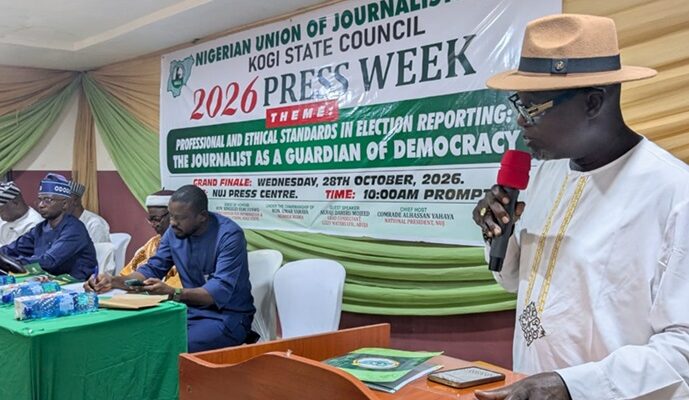
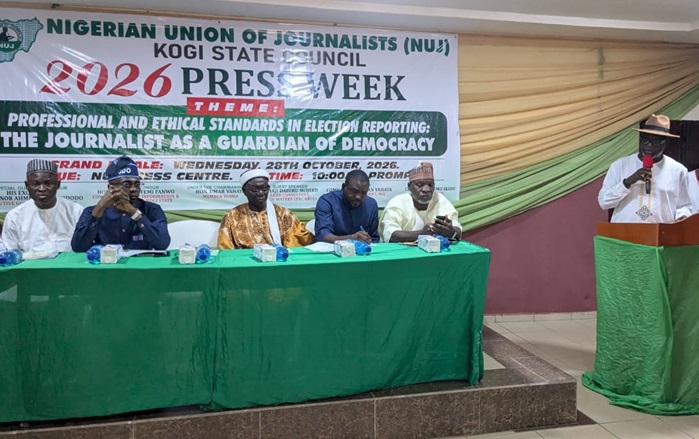
Delivering the keynote address at the 2026 Nigeria Union of Journalists (NUJ) Press Week, Alhaji Dahiru Majeed, lead consultant at Lizzy Waters Ltd, Abuja, said election reporting “is a democratic responsibility,” not routine coverage. Majeed was represented at the event by Mr. Ebenezer Adurodija, who delivered the address on his behalf.
Speaking on the theme “Professional and Ethical Standards in Election Reporting: The Journalist as a Guardian of Democracy,” the address argued that democracy weakens well before elections are cancelled, namely when citizens can no longer tell fact from propaganda.

The speaker said the digital age had created “an era in which seeing is no longer believing,” citing manufactured images, cloned voices, manipulated videos and fabricated events spread to millions within minutes. Journalists, he said, must verify the origin of digital content, establish context, check metadata where necessary and seek independent corroboration before publishing. “In the age of artificial intelligence, verification is no longer merely a professional skill. It is a democratic necessity,” the address said.
The address urged newsrooms to “publish later and be right rather than publish first and be wrong,” warning that unofficial figures, anonymous sources and doctored documents often circulate as fact during election seasons.
On results, it said journalists are not electoral returning officers and that declaring winners belongs to legally recognised electoral authorities. Unofficial tallies and projections must be clearly labelled, and rumours must never be presented as fact. “A false declaration of results can trigger unrest,” the speaker warned.
The address cautioned that political actors, government officials, business interests and partisans all seek to influence coverage during elections. It identified financial inducements, loyalty to political patrons and fear as the most serious threats to journalism, saying that “the greatest threat is compromise.”
It also called on reporters to investigate vote-buying, campaign financing, abuse of state resources and electoral violence, while cautioning against becoming “an activist disguised as a reporter.” Fairness, it said, does not mean giving equal weight to truth and falsehood.
Noting Nigeria’s ethnic, religious and cultural diversity, the speaker said election coverage must never become a vehicle for hate speech or hostility toward any community, and that headlines and unverified reports can inflame tensions.
The address also condemned harassment, intimidation and attacks on journalists during elections, calling them attacks on “the public’s right to know.” It urged media organisations to invest in safety training, risk assessment, trauma support and emergency response.
To sustain standards, the speaker called on the NUJ, media owners, editors, journalism schools and regulators to strengthen election-reporting and fact-checking training, expand digital verification capacity, enforce ethical codes, correct mistakes transparently and hold misconduct to account.
“We may not contest elections. We may not count the votes. We may not declare winners,” the address concluded. “But we help create the conditions under which democratic choice can be exercised freely, credibly and peacefully.”
The speech closed with a call for the profession to commit to “truth before speed” and “evidence before accusation.”