
By Musa Bakare
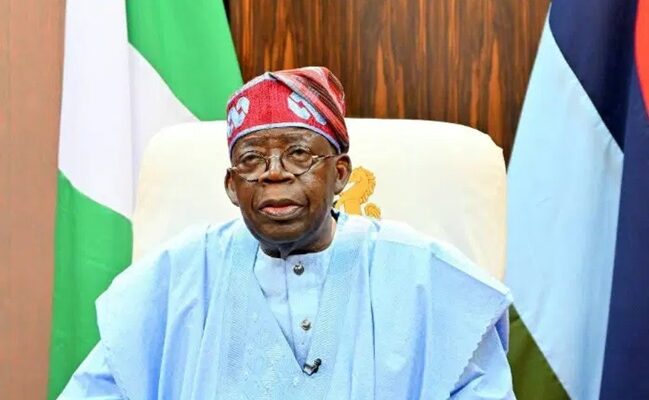
President Bola Ahmed Tinubu’s October 1, 2026 Independence Day broadcast was more than a ceremonial address. It was a sober conversation with Nigerians about where the country has been, where it stands today, and where the administration believes it can go next.
The significance of the message is that the President has clearly defined the next objective: not simply managing hardship, but defeating poverty and creating broad-based prosperity

Its most important message was simple: the difficult phase of reform is giving way to the pursuit of prosperity.
The President did not pretend that the journey had been painless. He acknowledged that the reforms produced hardships, but argued that those difficulties should be understood against the background of the economic distortions the reforms were intended to correct.
According to the President, Nigeria has now reached a turning point: economic growth has strengthened, inflation has fallen from its peak, foreign reserves have been rebuilt, the foreign exchange market has stabilised, and non oil exports reached a record level in 2025.
Reform will ultimately produce results that ordinary Nigerians can feel.
The President’s definition of prosperity was therefore refreshingly down to earth.
He spoke of the farmer who can cultivate safely and earn a decent return; the factory that has reliable power; the entrepreneur who can obtain credit; the young Nigerian who can find productive employment; and families that can afford food, transportation, and education.
Prosperity was not presented merely as GDP figures or government statistics. It was presented as a better quality of life for Nigerians.
And that is where the next phase of the Renewed Hope agenda, 2027 to 2031, becomes critical.
The President declared that government must reduce the cost of living by reducing the cost of production and transportation, while expanding agriculture, irrigation, mechanisation, storage, roads, railways, and ports.
He also emphasised the timely payment of salaries and pensions and reforms intended to strengthen social protection.
For Nigerians, the achievements of the administration provide a substantive basis for arguing that the work should not be interrupted before its promised next phase is fully implemented.
The 2027 political conversation should consequently be understood not merely as a contest over personalities, but also as a debate about whether the policies already undertaken should be consolidated and extended.
President Tinubu invoked the biblical image of Nigeria having passed through its own Red Sea, warning against looking backwards and urging Nigerians to move forward together.
Nigeria has endured difficult years, taken difficult decisions, and reached what he describes as firmer economic ground.
As Nigeria looks toward 2027, the question of continuity will therefore naturally revolve around the administration’s stated intention to consolidate the reforms of its first term and translate them into tangible prosperity.
For the vast majority of Nigerians, President Tinubu’s October 1 message provides a powerful narrative of continuity through consolidation: the difficult restructuring has been undertaken; the economic foundation has been strengthened; and the next phase is to deliver the prosperity Nigerians have been waiting for.
The journey to 2031, therefore, has been presented as a journey from reform to prosperity, from sacrifice to dividends, and from foundation-building to consolidation.
May the future bring greater security, stronger institutions, productive farms, thriving businesses, employment for our young people, affordable food, improved infrastructure, and dignity for every Nigerian.
Happy Independence Day, Nigeria.
God bless President Bola Ahmed Tinubu.
God bless the Federal Republic of Nigeria.
– Musa Asiru Bakare
Political analyst and commentator writes from Lokoja, Kogi State.