
Honestly, I, just like any true sons and daughters of Igala Kingdom is saddened by the direction of political engagement in Kogi East. We appear so consumed by competing ambitions that we are losing sight of the larger community to which we belong. Political disagreement is legitimate; turning it into collective humiliation is not.
The recent call by I. D. Ijele for a consensus arrangement ahead of the 2027 senatorial election, including dialogue with HK and QS Aminu, has sharpened this debate. Whether consensus is desirable remains a democratic question; what should be beyond dispute is the need for respectful engagement.
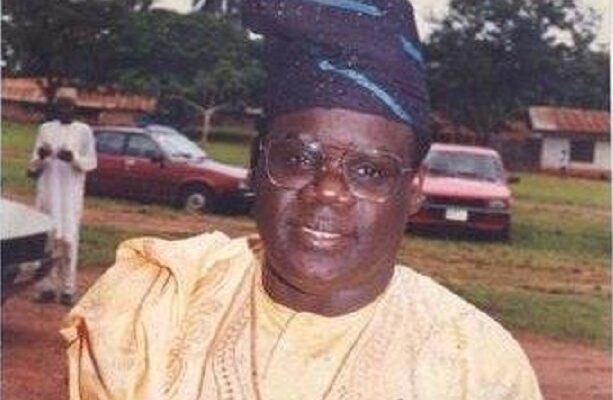
Perhaps this moment calls for a return to the political history of Dr Stephen Makoji Achema, who died in 1999. His public life remains an important reference point in Igala political history, particularly for his involvement in community mobilisation, advocacy, political organisation and development initiatives.

As president of the Igala Students Association, Achema was associated with advocacy against the taxation of women in Igala land. He also participated in efforts to mediate tensions within the Igala royal institution. These episodes suggest a political outlook that extended beyond personal ambition towards issues affecting the wider community.
His community-development work is also remembered through the establishment of 13 community secondary schools under the Idah Divisional Development Association. Such initiatives remind us that political influence can be directed towards building institutions and expanding opportunities, rather than merely securing office or winning arguments against opponents.
Accounts of the Ukanukpoda Accord of December 1998 also point to the role of negotiation in Achema’s political engagements with Prince Abubakar Audu’s camp. The accord is associated with political understandings, including the relocation of the proposed state university to Anyigba. Its lesson is the value of organised negotiation.
That history should not be romanticised; Achema’s generation had its own conflicts and political calculations. But it invites a question relevant today: can Kogi East manage competing interests through consultation, clear demands and compromise, rather than allowing every disagreement to become a public contest of insults?
Kogi Central and Kogi West also experience political competition, and neither should be portrayed as free of internal disputes. Still, Kogi East can learn from the importance of strategic organisation and disciplined engagement. Political influence is built through alliances, negotiation and results, not the volume of social-media attacks.
The Igala people have a rich history and a distinct cultural identity, but Kogi East also includes Bassa communities whose interests and democratic rights deserve equal respect. Our collective future requires inclusion. No political camp owns the district, and no aspirant has an exclusive claim to its mandate.
Let aspirants contest and voters decide freely. But let us reject personal destruction as a measure of political loyalty. Dr Achema’s history offers lessons in advocacy, organisation and negotiation; our task is to apply what remains useful. Power is temporary, elections pass, but communities must endure together.
– Inah Boniface Ocholi writes from Ayah – Igalamela/Odolu LGA, Kogi state.
08152094428 (SMS Only)