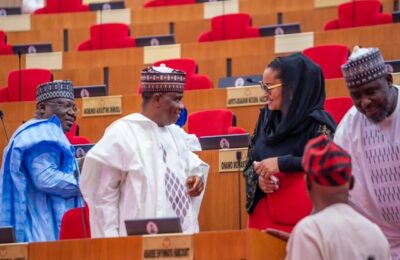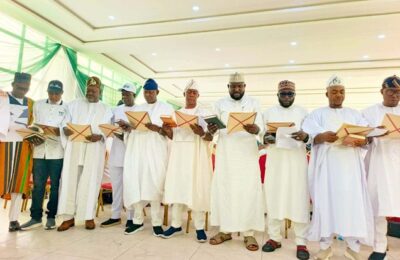

The Okun League of Progressive Elites (OLOPE) has intensified its mobilization and sensitization for the re-election of President Bola Tinubu and Governor Ahmed Usman Ododo of Kogi state.
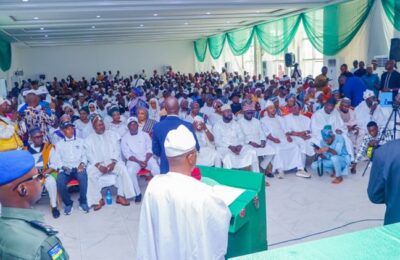
At a recently convened a strategic meeting at the Transcorp Hilton in Abuja to reaffirm its commitment to the unity of the Okun people and the development of Kogi State, the group emphasized its political alignment and held strongly that it views the leadership of both men as vital for advancing the socio-economic interests of the Okun people and the state at large.
A central theme of the gathering was the urgent need to address internal divisions within the community.

Prof. Ronke Bello, a distinguished Okun daughter, raised concerns regarding the prevailing disunity and urged the group to intensify its outreach. She argued that collective action and a unified voice are essential prerequisites for meaningful progress, advocating that the community’s future is best secured through collaborative support for the current federal and state administrations.
In response, the Director General of OLOPE, Barr. Alfred Bello, pledged the organization’s resolve to bridge existing divides and foster a cohesive identity. He highlighted the importance of merit and professional excellence, using Prof. Bello’s international and federal achievements as an inspiration for the group.
Furthermore, he called for greater female participation in leadership, noting that the inclusion of women in strategic roles is crucial for the holistic development of Okunland.
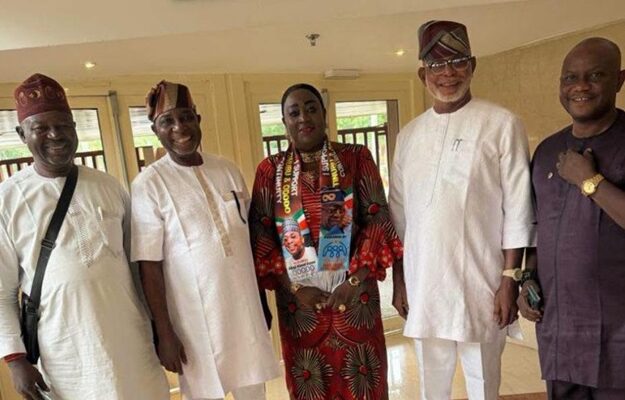
The meeting reached a symbolic peak with the decoration of Prof. Ronke Bello, marking the first time a woman has been so honored by the organization.
This gesture served as a testament to the group’s commitment to inclusivity and the recognition of excellence.
The strategic meeting was attended by key stakeholders such as Hon. Prince Philip Orebiyi and Alhaji Shuaibu Ipinmisho, Mr Olumide Adeyemi and Hon. Jethro Funsho Oni.
The event solidified OLOPE’s position as a driving force for both political mobilization and social reform in the region.