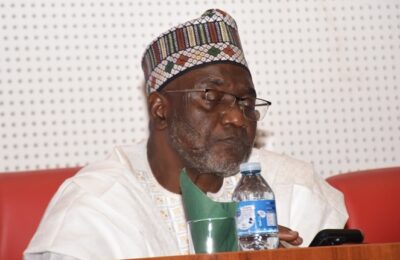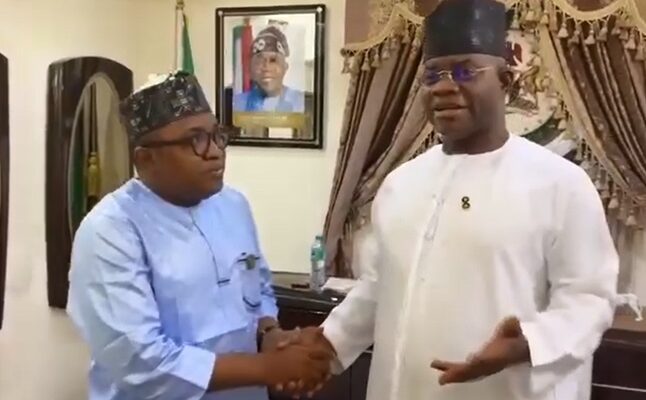

Politics has a cruel law: when a leader truly stands tall, nobody rushes to explain his posture. The explanation itself becomes the evidence. That is why the long emotional defense issued after Yakubu Murtala Ajaka’s reconciliation with former Governor Yahaya Bello has only deepened public suspicion instead of calming it. Nigerians read power instinctively. They know the difference between a negotiation among equals and a surrender wrapped in grammar.
The public anger did not come from social media mischief alone. It came from memory. Kogi people remember the bitterness of the 2023 contest. They remember the speeches. They remember the accusations. They remember the tears, the broken relationships, and the graves invoked during the campaign season. So when the same political camp suddenly emerged preaching unity without accountability or clarity, many supporters felt abandoned. Not because reconciliation is wrong, but because the reconciliation looked one sided.
Let us stop insulting the intelligence of the people. Reports everywhere suggest Yahaya Bello did not immediately embrace the outreach. Many calls were allegedly made before he eventually agreed. That detail matters politically because power reveals itself in hesitation. The man being pursued holds the leverage. The man repeatedly seeking audience does not. No carefully polished press statement can erase that perception from the public mind. Politics is not judged by adjectives. It is judged by optics.

This is the real problem with the statement defending Ajaka. It tried too hard. It stretched too long. It reached for culture, tradition, elders, sacrifice, peace, unity, grief, and statesmanship all at once. Yet the more it explained, the more ordinary supporters asked a simple question: if this was truly mutual reconciliation, why does one side sound defensive while the other side remains comfortably silent? Silence is often the language of superiority in Nigerian politics.
Across Kogi East, many supporters are not angry because Ajaka chose peace. They are angry because they believed they were fighting to change a political order, not eventually kneel before it. Thousands invested emotion into the movement. Young people defended it online and offline. Some paid prices for it socially and financially. They expected resistance. They expected dignity. What they did not expect was a political reunion packaged with the desperate tone of damage control.
None of this means Ajaka is weak. Politics requires compromise. Even the fiercest rivals eventually shake hands. But leaders must understand that reconciliation without honesty breeds resentment. Supporters can forgive strategic alliances. What they struggle to forgive is being told not to believe what their eyes clearly saw. A movement cannot spend years portraying a political structure as dangerous, only to suddenly present submission to that same structure as enlightened statesmanship without expecting backlash.
The tragedy here is not even the reconciliation itself. The tragedy is the widening disconnect between political elites and the emotions of ordinary followers. The people are angry because they feel the sacrifice was theirs while the settlement happened above them. In the end, the internet did not invent the “begging” narrative. The political class created the conditions for it. And nothing in Nigerian politics has ever sounded more suspicious than powerful men loudly insisting they did not bend.
– Inah Boniface Ocholi writes from Ayah – Igalamela/Odolu LGA, Kogi state.
08152094428 (SMS Only)