
A-Rolling National Plans in line with SDGs 2030, National Development Plans, State Policies & Community Needs.
SECTION 1: SETTING THE CONTEXT
Slide 1:
Building a Nation’s Future Together: Rolling national Plans for SDGs 2030
Slide 2: Why Are We Here?*
2030 is only 4 years away. We are behind on many SDGs.
Mr. President has directed: , No more static 5-year plans. We need ROLLING,
ACTION-ORIENTED plans.
Goal: Connect *Global SDGs and National Agenda 2050 into State Plans and Community Needs*
Slide 3: What Are The Problems?
Silo planning: Federal not talking to States. States not talking to Communities.
– Projects abandoned, no data, no tracking.
– Citizens don’t see an impact.
– Result, Development is slow
SECTION 2: THE SOLUTION –
THE MODEL
*Slide 4: The New Approach: “CASCADING ROLLING INTEGRATED PLANNING”
Community Needs
`LGA / State Plan
`Federal Sector Plan
`National SDG Priorities`
Annual Review & Roll Forward_
Slide 5:
The 5 Layers of Planning
National Sets direction and funding
. Sector: Ministries cost and plan
. State Domesticate and add state priorities
LGA/Community , Bottom-up needs capture
Feedback Review every year and roll
Slide 6:
What Makes This Different?
5-Year Plan, set in stone 3-Year Plan, reviewed yearly
Top-Down only ,Top-Down and Bottom-Up
No data Data-driven decisions
No tracking Quarterly scorecards
SECTION 3:
STRATEGIES FOR Success
Slide 7:
Strategy 1-2: Alignment & Participation
SDG Mapping
: Every project must link to SDG , National Agenda , State Plan
Community Needs Census, Town Halls in every Ward. Let the people speak.
Slide 8: Strategy 3-4:
Financing & Partnership
SDG ,Tagged Budget., Budget money must show which SDG it’s solving the whole-of-Society
Govt , Cooperatives , Faith Groups , Private Sector and NGOs.
Slide 9: Strategy 5:
Monitoring & Accountability
*Public Dashboard*: Citizens can track projects in their LGA
*Performance Funding*: States/LGAs that deliver get more resources
*SECTION 4: YOUR ROLE*
Slide 10: What Is Expected of Stakeholders?
Government ,Plan with data, implement, report quarterly
Traditional/Community Leaders,Mobilize people, identify real needs
Cooperatives/NGOs,: Implement projects, monitor quality
Private Sector, Invest, create jobs aligned to SDGs
Citizens: Participate, demand accountability, protect projects
Slide 11:
Quick Wins and First 100 Days
State SDG Retreat to domesticate plan
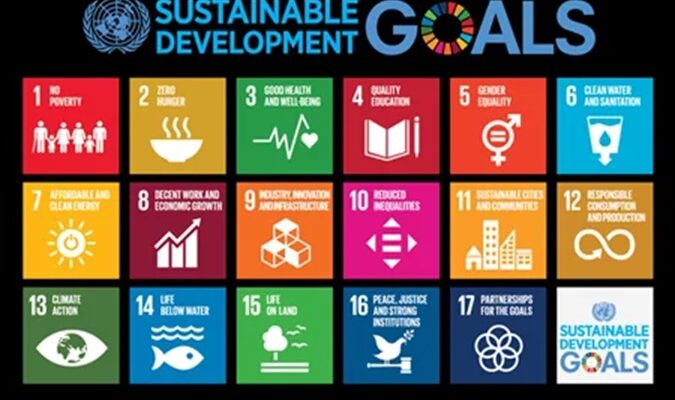
Baseline Audit: Where are we on the 17 SDGs?
Appoint 1 “SDG Champion” per Ward
Launch State Project Dashboard
SECTION 5: CLOSE
Slide 12: Call to Action
Leave No One Behind
This is not a government plan.
This is a PEOPLE’S PLAN.
If we plan together, budget together, and track together, we will achieve SDGs 2030.
Q&A
Contact, -National Planning / State Planning Commission]
B-Stakeholders in the Sustainable Development Goals – SDGs 2030
The SDGs say “leave no one behind” — meaning *everybody has a role*. It’s not just government
. GOVERNMENT – Federal, State, LGA*
Responsibilities
Policy & Leadership
Domesticate SDGs into national, state, and local development plans
Budgeting
Allocate funds and tag budgets to SDG targets – health, education, water, etc.
Service Delivery
Build schools, hospitals, roads, provide security, water, electricity’s
Data & M&E
Track progress with NBS. Publish quarterly SDG scorecards
Regulation
Enact laws that protect the environment, gender equality, human rights
Coordination
Link all other stakeholders so we’re not working in silos
PRIVATE SECTOR / BUSINESSES
Responsibilities:
Job Creation
Provide decent work – SDG 8. Youth employment, skills
Innovation
Develop solutions – clean energy, fine tech for farmers, health tech
Sustainable Production
Reduce waste, carbon emissions. ESG compliance – SDG 12
Investment
Finance SDG projects through CSR, PPPs, impact investing
Ethical Practices
No child labor, pay fair wages, respect human rights
CIVIL SOCIETY / NGOs / CBOs
Responsibilities:
Advocacy
Hold government accountable. Voice for marginalized groups
Service Delivery
Run health outreach, education, water projects in hard-to-reach areas
Awareness
Sensitize communities on SDGs, health, climate, gender
Monitoring
Track if projects are delivered and if money is used well
Capacity Building
Train communities, women groups, youth on skills
COMMUNITIES & CITIZENS
Responsibilities:
Participation
Attend town halls. Identify real community needs
Ownership
Protect public projects – schools, boreholes, clinics
Behavior Change
Practice sanitation, girls’ education, family planning, tree planting
Accountability
Ask questions. Use citizen scorecards to rate projects
Volunteerism
Mobilize for community clean-ups, SDG campaigns
TRADITIONAL & RELIGIOUS LEADERS
Responsibilities:
Mobilization
Use influence to drive SDG messages in sermons and meetings
Cultural Change
Fight harmful practices – child marriage, FGM, stigma
Conflict Resolution
Promote peace – SDG 16
Gatekeepers
Approve and support projects in the community
MEDIA
Responsibilities:
Awareness
Report on SDGs in local languages. Explain what SDG 1-17 means
Investigative Journalism
Expose corruption, project abandonment
Platform
Give voice to citizens and experts
Data Dissemination
Share progress reports so people know where we stand
ACADEMIA / RESEARCH INSTITUTIONS
Responsibilities:
Research & Data
Provide evidence for planning. SDG baseline studies
Innovation
Develop tech for agriculture, health, climate
Training
Build capacity of government officials and youth
Policy Advice
Help the government design better programs
INTERNATIONAL ORGANIZATIONS & DEVELOPMENT PARTNERS
UN, World Bank, USAID, DFID, EU, AU, etc
Responsibilities:
Funding & Grants
Finance big SDG programs
Technical Support
Provide expertise, best practices
Global Coordination
Share data, monitor global progress
Advocacy Push countries to meet 2030 targets
YOUTH & WOMEN GROUPS
Responsibilities:
Innovation & Activism
Lead climate action, digital solutions, advocacy
*Implementation
Run community projects – skills centers, cleanups
*Representation
Ensure policies reflect youth and women’s needs*peer Education
Sensitize other youth on SDGs, health, entrepreneurship
COOPERATIVES & FAITH-BASED ORGANIZATIONS
Responsibilities:
1. *Grassroots Implementation*: Deliver micro-credit, farming inputs, health services
2. Trust*: Because people trust them, they can drive behavior change fast
3. *Resource Mobilization*: Pool community resources for SDG project
Here’s *Roles for Your Cooperative/Community in Achieving the SDGs*
This is how a *Multipurpose Cooperative or Community Association* can directly plug into the Rolling National Plan and SDGs 2030:
COOPERATIVE / COMMUNITY STAKEHOLDER ACTION PLAN FOR SDGs
POVERTY & HUNGER – SDG 1 & 2: No Poverty, Zero Hunger
Your Responsibility:
-Group Farming
Pool land and resources for rice, maize, vegetables. Access govt inputs together
Micro-Credit ,Run thrift/savings scheme to give members small loans for business
Food Bank,,Contribute food during harvest to support vulnerable members
Link to Govt*: Apply for FMARD, NALDA, CBN Anchor Borrowers program as a group
HEALTH & EDUCATION – SDG 3 & 4: Good Health, Quality Education
Your Responsibility:
Health Outreach
Partner with PHC to do free malaria testing, immunization, health talks monthly
Scholarship Fund
Small contribution from members to support brilliant but poor children
Adult Literacy
Use educated members to teach basic reading/numeracy on Saturdays
Sensitization, Campaign on hygiene, family planning, drug abuse
WATER, ENERGY & CLIMATE – SDG 6 & 7 & 13: Clean Water, Clean Energy, Climate Action*
Your Responsibility:
Water Project*Contribute labor/money to sink borehole. Form water committee to maintain it
Solar
: Group purchase of solar lanterns/panels to reduce cost
Environment
Monthly community sanitation and tree planting. Ban plastic burning
Climate Smart Farming
: Train members on drought-resistant crops, organic fertilizer
JOBS & ECONOMY
SDG 8: Decent Work & Economic Growth
Your Responsibility:
Skills Center
Train youth/women in tailoring, barbing, phone repair, agro-processing
Market Linkage
Sell members’ products collectively to get better price
Advocacy
Demand LGA to site projects in your ward
Register
Get CAC and Cooperative registration to access govt grants
.PEACE & PARTNERSHIP
SDG 16 & 17: Peace, Partnerships
Your Responsibility:
Conflict Resolution , Use elders to settle land/family disputes before they escalate
Accountability Team Track projects in your community. “Did they build the clinic?”
Partnerships and Link with NGOs, Faith orgs, Government to implement projects
Data ,Keep records of members, needs, and projects. This is what govt/NGOs ask for
HOW YOUR COOPERATIVE SHOULD ORGANIZE
Committees
SDG Focal Person
Liaise with LGA/State SDG office. Bring info back to community
Project Committee
Identify top 3 community needs yearly and write proposals
Finance Committee*
Manage cooperative funds. Ensure transparency
Mobilization Committee
Women leader and Youth leader. Mobilize people for meetings/projects
M&E Committee
Take photos, keep records, do citizen scorecard
QUICK WINS YOUR COOPERATIVE CAN START THIS MONTH
Hold a Community Needs Meeting
What are our top 3 problems? ,Document it
Register with LGA ,So you can be captured in the State Rolling Plan
Adopt 1 SDG and: Pick 1 that hurts most.
Example
If no water → Focus on SDG 6 this year
Government cannot reach every village alone.
Cooperatives , Communities are the “last mile” of SDG delivery.
When you organize, document needs, and partner, government and NGOs will find you.
– Benjamin Ibrahim writes from Lokoja, Kogi state.
+2348069596250