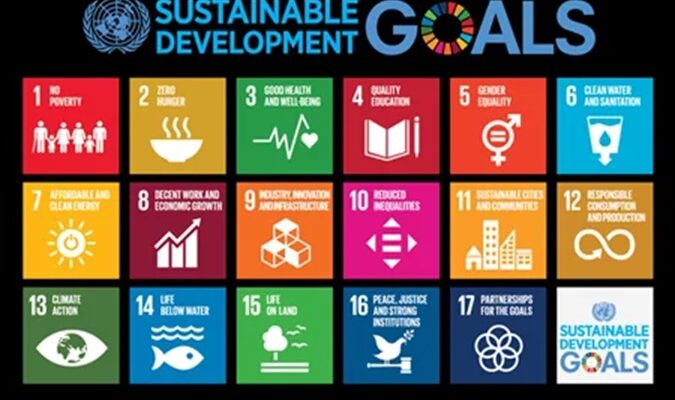

SDG 1 – No poverty
Develop affordable and acceptable financial services for low – income communities
Implement cash transfer programs and micro finance initiatives
Creat vocational training programs to enhance employability
SDG 2 – Zero Hunger
Establish community gardens and sustainable agricultural projects
Develop innovative irrigation systems and crop management technologies
Implement nutrition education programs and food distribution initiatives

SDG 3 Good health and well being
Develop point of care diagnostics device for primary health care
Implement telemedicine and remote health monitoring system
Creat health education programs and disease prevention initiatives
SDG 4 Education quality
Develop digital literacy programs and online educational resources
Implement vocational training and skill development initiatives
Creat mentorship program and educational support services
SDG 5 Gender equality
Develop initiative to promote women’s empowerment and leadership
Implement programs to eliminate gender based violence and discrimination
Creat education and training programs to promote gender equality
SDG 6 clean water and sanitation
Develop water saving technologies and efficient irrigation systems
Implement water purification and treatment system
Creat education programs to promote water conservations and hygiene
SDG 7 Affordable and clean energy
Develop solar powered mini grids and renewable energy system
Implement energy efficient technologies and smart grid systems
Creat initiatives to promote energy access and affordablility
SDG 8 Decent work and Economic growth
Develop entrepreneurship training programs and small business support services
SDG 9 industry innovation infrastructure
Develop innovative technologies and manufacturing processes
Implement sustainable infrastructure development initiatives
Creat research and development programs to promote innovations
SDG 10 Reduced inequalities
Develop initiatives to promote social inclusions and equality
Implement programs to reduce income and social inequalities
Creat education and awareness programs to promote diversity and inclusions
SDG11 sustainable cities and communities
Develop sustainable urban planning and development initiatives
Implement green infrastructure and public transportation system
Creat community engagement programs to promote sustainable living
SDG 12 Responsible consumption and production
Develop sustainable consumption patterns and waste reduction initiatives
Implement recycling programs and circular economy practices
Creat education programms to promote sustainable lifestyles
SDG 13 .climate action
Develop climate resilient infrastructure and adaptation
Implement renewable energy and energy efficiency programs
Creat education and awareness programs to promote climate action
SDG 14 life below water
Develop sustainable fishing practices and marine conservation initiatives
Implement ocean clean up and pollution reduction programs
Creat education programs to promote ocean conservation
SDG 15 life on land
Develop sustainable land use and conservation initiatives
Implement reforestation and affordable programs
Creat education programs to promote biodiversity conservations
SDG 16 peace justice and strong institutions
Develop initiative to promote peace building and conflicts resolutions
Implement programs to strengthen institutions and promote good governance
Creat education programs to promote human rights and the rule of law
SDG 17 partnership for the goals
Develop partnership between government, business and civil society
Implement initiatives to promote collaboration and knowledge sharing
Creat programs to support sustainable development and achieve the SDGs
Programs and activities
Create awareness and sensitization of SDG programmes through organized workshop , seminars and campaigns to raise awareness about the SDGs among stakeholders, including Government officials civil society organizations, private sector entities and the general public
Stakeholders engagement
Foster collaboration and engagement among stakeholders to leverage resources, expertise and networks, this can includes regular meeting, working groups and joint planning sessions
Data collection and analysis
Establish a robust data collection and analysis system to track progress towards the SDGs. This can involve working with national statistical offices, research institutions and other data providers
Policy and legislative reforms
Develop and implement policies and laws that support the achievement of the SDGs, this can includes reviewing existing policies developing new legislation and strengthening institutional frameworks
Capacity building
Provide training and capacity building programs for stakeholders including Government officials,civil society organizations and private sector entities to enhance their skills and knowledge in areas reevants to the SDGs
Resources mobilization
Mobilize resources from various sources including Government, budgets, international donors and the private sectors to support SDG implementation
Partnership and collaboration.fostwr partnerships and collaboration mong stakeholders to leverage resources ,expertise and networks
This can include public private partnerships, international cooperation and South South cooperation
Monitoring and evaluation
Establish a robust monitoring and evaluation system to track progress towards the SDGs, this can include setting up indicators, benchmarks and reporting mechanism
The relevant stakeholders in this case are
Government such as Government agencies ministries and department responsible for implementating the SDGs
Civil society organizations
Non government organizations such as the community based organization and Advocacy groups that can support SDG implementation
Private sectors such as businesses ,corporations and industries that can contribute to SDG. Achievements can be through their operations, investment and Innovations
International organizations
Such as the United Nations agencies, international financial institutions and other global organizations that can provide technical assistance, funding and policy guidance.
Academia and Research institutions such as the universities ,research centers and think tanks that can provide research analysis and technical expertise to support SDG implementation
In conclusion support from stakeholders is necessary to the success of the implementation of the programs with other associated benefits such as:
Improved coordination by enhancing coordination among stakeholders which can lead to more effective and efficient SDG implementation
Increased awareness by raising awareness about the SDGs and build support and engagement among stakeholders
Better data access
Robust data collection and analysis can inform policy decisions and track progress towards the SDGs
Enhanced capacity
Capacity building programs can strengthens the skills and knowledge of stakeholders enabling them to to contribute more effectively to SDG implementation
Increased resources from various sources can support SDG implementation and accelerate progress
With the effective implementation of these programs and activities, stakeholders can work together to achieve the SDGs and create a more sustainable and equitable future.
– Benjamin Ibrahim writes from Lokoja, Kogi state.
+2348069596250