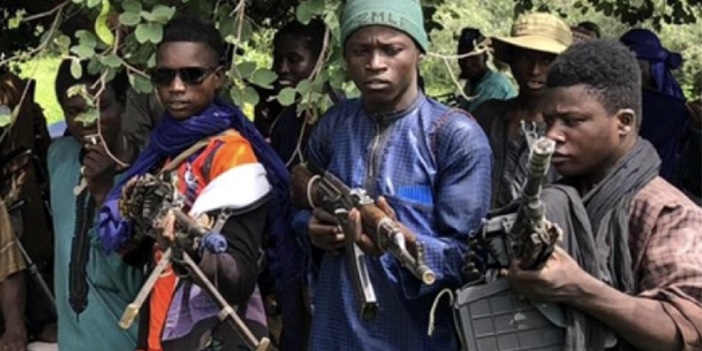

Here’s a comparison of how governments control illicit arms + arms proliferation in the “third world”/developing countries vs “advanced”/developed countries, and what that means for national security:
Government control systems & capacity
Advanced countries

- Stronger legal + technical frameworks: Have export control regimes, end-user certificates, tracing systems, stockpile management, and agencies dedicated to arms control.
- Lifecycle management: Focus on production, export, stockpiling, and marking/tracing weapons through their entire life cycle.
- International role: Most weapons are produced in developed countries. They lead regimes like ATT, Firearms Protocol, export controls for dual-use items.
Developing/”Third world” countries
- Weaker stockpile + border controls: UN officials note diversion from poorly maintained national stockpiles is a major source. “Weapons diverted from national stockpiles – or at any point throughout the supply chain – could end up in the hands of non-State armed groups”.
- Governance + resource gaps: UN reports link proliferation to governance failures, poverty, weak state capability. Export/import controls, transit controls, and end-user certificate systems are often lacking or inconsistently applied.
- Regional hotspots: Sahel, Haiti, Latin America, Northwest Nigeria cited as areas where illicit flows drive conflict,
Nature of arms proliferation*
Advanced countries
Primary producers/exporters*: Most small arms/light weapons are manufactured in North America, Europe, Western Asia.
Challenge is preventing diversion at source and ensuring “highest degree of responsibility” in exports.
New tech risks*: “Ghost guns”/3D-printed firearms without serial numbers increasingly found in Western Europe + Latin America.
Developing countries
Primary conflict zones*: “Most conflicts fuelled by such weapons took place in the developing world”. Small arms are “real weapons of mass destruction” there.
- Multiple entry points: Weapons enter via porous borders, post-conflict stockpile leakage, and regional trafficking networks.
UNODC found pistols = 39% of seizures globally. 2/3 of seized firearms confiscated for illegal possession, many likely trafficked in earlier.
B-Impact on national security*
Common impacts everywhere
Direct violence: Deaths, injuries, displacement, psychological harm. The UN recorded 48,000 conflict civilian deaths in 2024, small arms responsible for up to 30% in some contexts.
State stability: Illicit arms “fuel armed violence, terrorism and organized crime”, render arms embargoes ineffective, endanger peacekeepers, and undermine peace agreements.
Socio-economic: Disrupt health/education access, humanitarian services, development. Over 0.5M people killed violently yearly, mostly via small arms.
Differences in effect
Advanced countries*: Threat is more to international security + exported instability.
Illicit trade “destabilizes communities and exacerbates situations of insecurity” globally. Also risk of terrorism + WMD proliferation if arms tech leaks.
- Developing countries: Threat is more immediate to state authority.
Illicit arms sustain insurgency,
banditry, intercommunal violence, and “exacerbate the plight of civilians in strife-torn countries”.
Security Council notes it’s a “defining factor in undermining peace and security” at national level.
In Nigeria’s case, insurgency + insecurity tied to governance gaps and elite politics.
What experts say works*
UN Security Council debates emphasize 3 things:
Political will + effective weapons/ammunition management
International cooperation* – bilateral, regional, global. US-Mexico joint statement: “stop arms trafficking” through enhanced law enforcement cooperation
Lifecycle approach*: Controls on production, export, stockpiling, tracing. Arms Trade Treaty
- Programme of Action on Small Arms are key frameworks
In conclusion,: The global system is “only as strong as its weakest links”. So weak controls in one region affect security everywhere because illicit arms cross borders easily.
– Benjamin Ibrahim writes from Lokoja, Kogi state.
+2348069596250