
Mobile money solutions such as M-Pesa, Airtel Money and MTN Mobile Money have changed how users access digital services across the continent. The online gaming industry has been one of the biggest beneficiaries of this shift, with faster and more accessible payments helping platforms reach audiences that traditional banking infrastructure could not serve effectively.
The Growth Of Mobile Money
Mobile money adoption in Africa has outpaced most other regions globally. Kenya processed over 600 billion Kenyan shillings through M-Pesa in a single month in 2024, and similar growth figures have been recorded in Nigeria, Ghana, Tanzania and Uganda through competing mobile wallet systems.
The infrastructure behind these systems is built on USSD technology and smartphone applications that function on basic handsets without requiring a bank account. That combination — low hardware requirements and no banking dependency — is what made mobile money the default financial tool for hundreds of millions of people across sub-Saharan Africa within a relatively short period.

Why Traditional Banking Is No Longer Essential
Bank account penetration in many African countries remains below 50% of the adult population. In rural areas, that figure is considerably lower. For online gaming platforms operating in these markets, relying on card payments or bank transfers as the only deposit method effectively excluded the majority of potential users from the start.
Mobile money solved that access problem directly. A user with a registered mobile wallet can deposit funds into a gaming account, receive winnings and manage their balance entirely through their phone without ever interacting with a bank. The friction that previously blocked participation has been removed at the infrastructure level, not through workarounds or third-party services.
Kenya – M-Pesa As The Gaming Payment Standard
In Kenya, M-Pesa integration has become a baseline expectation for any gaming platform operating in the market. Users can move funds between their M-Pesa wallet and a gaming account in seconds, with transaction confirmation arriving via SMS. That speed matches the pace of modern gaming formats like crash games, where deposit-to-play cycles need to be fast to match the rhythm of the product.
Nigeria – Multiple Systems Competing For Market Share
Nigeria operates with a more fragmented mobile money landscape than Kenya. Airtel Money, MTN Mobile Money and OPay all hold significant user bases, which means platforms need to support multiple integrations rather than a single dominant system. The platforms that have invested in multi-wallet support have seen substantially higher conversion rates from registration to first deposit among Nigerian users.
The Impact On Online Gaming Platforms
The integration of mobile money has changed what online gaming platforms need to prioritize to compete in African markets. Operators that have adapted early, like Pin-Up, have built their payment infrastructure around local mobile wallet options, reducing the gap between registration and first play that previously caused high drop-off rates among new users.
Pin-Up processes withdrawals to mobile wallets faster than traditional bank transfer methods, which matters in markets where trust in payout speed is a primary factor in platform selection. Players who receive winnings within minutes of requesting a withdrawal are significantly more likely to continue using the platform than those waiting days for bank processing.
The following table summarizes how mobile payment integration compares to traditional methods for gaming platforms operating in Africa:
| Payment Method | Deposit Speed | Withdrawal Speed | Bank Account Required |
| Mobile money (M-Pesa, MTN) | Instant | Minutes | No |
| Bank transfer | Hours | 1–3 days | Yes |
| Debit/credit card | Instant | 1–5 days | Yes |
| Cryptocurrency | Minutes | Minutes | No |
Mobile money leads on every practical metric that matters to users in markets where speed and accessibility define platform loyalty more than bonus offers or game variety.
Security And User Convenience
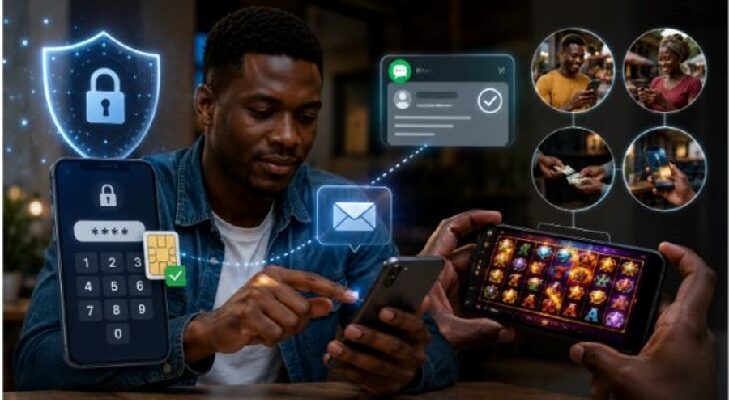
Mobile money transactions use PIN authentication and SIM-level verification, which provides a layer of security that does not require users to share sensitive banking information with gaming platforms. Each transaction generates an SMS confirmation that the user can reference independently, creating a simple audit trail without technical complexity.
PinUp and other platforms that have integrated these systems benefit from the existing trust users already have in their mobile network operators. Depositing to a gaming platform through a tool already used for everyday transactions — paying bills, sending money to family, buying airtime — removes psychological friction that a new payment method would introduce.
Future Payment Trends In African Gaming
The next phase of payment integration in African gaming will likely involve deeper cryptocurrency adoption alongside existing mobile money infrastructure. Several mobile money operators are already piloting digital currency wallets that would allow users to hold and spend crypto through the same interface they use for standard mobile money, which would expand options further without requiring users to adopt entirely new financial tools.
Real-time payment APIs that connect gaming platforms directly to mobile network operator systems are also being developed, which would reduce the technical steps between a withdrawal request and the funds arriving in the user’s wallet to near-zero latency, matching the speed expectations that the gaming format itself creates.