
By Zacchaeus Ozovehe Emmanuel, PhD
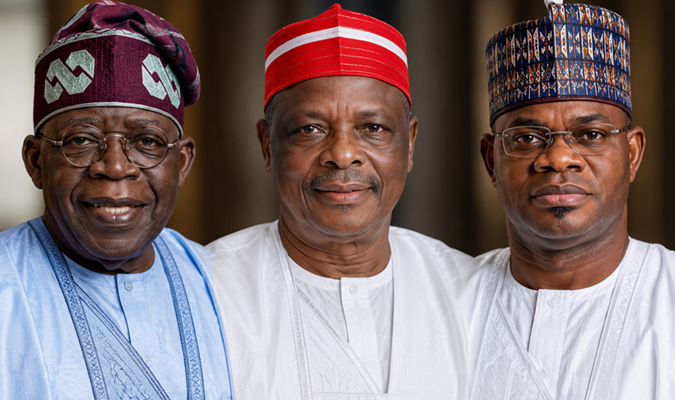
If we set sentiment aside, one striking quality links three prominent Nigerian politicians: President Bola Ahmed Tinubu, Senator Rabiu Musa Kwankwaso, and former Kogi State Governor Alhaji Yahaya Bello. It is their commitment to human capital development. You may disagree with them politically, but you cannot deny that each of them deliberately built people capable of making generational impact.
President Tinubu’s influence long outlived his tenure as a Senator for Lagos and as Governor of the state. While governing Lagos, he deliberately recruited talent from across Nigeria to drive his vision for the state. Many of those he mentored and appointed later became governors, legislators, ministers, managing directors and heads of agencies. When he declared “Emi Lokan” ahead of the 2023 presidential election, those same foot soldiers took ownership of the movement and mobilized nationwide support for him. Even policies widely seen as targeted to frustrate his ambition could not stop the goodwill he had built over the years. Tinubu understood the power of human capital and deployed it strategically.

In Kano, Senator Kwankwaso earned the unofficial title “Architect of Modern Kano.” As governor, he placed education at the center of his administration and made deliberate efforts to reduce illiteracy. Through state policy, thousands of indigent students benefited from scholarships to study in institutions across Nigeria and abroad. Years after he left office, Kano began to see the return of foreign-trained doctors, engineers and other professionals. In 2018, while pursuing my Master’s degree at Bayero University Kano, I saw “Kwankwasiyya” projects across the capital city and beyond. Many of my course mates, especially female students, were beneficiaries of fully funded scholarships. Kwankwaso was intentional about investing in the future of his people.
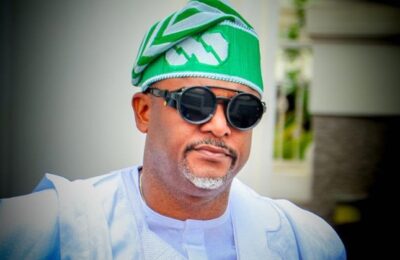
In Kogi State, Alhaji Yahaya Bello took the same philosophy to another level. He elevated hitherto unknown individuals into positions of influence and wealth. His administration produced a new class of political and economic leaders who were not part of the old establishment. Many of his foot soldiers became financially empowered to the point of providing support for others, building houses, buying vehicles and funding small businesses. It was as though they received a mandate to replicate in others what the governor had done for them.
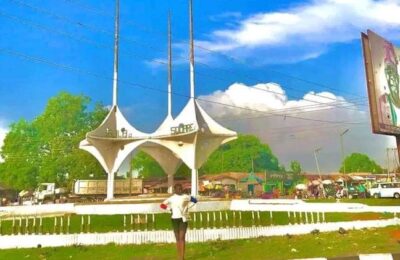
Despite criticism and misrepresentation, Bello remained focused on his people. On infrastructure, his signature projects are still subjects of debate in comparison with those of the late Prince Abubakar Audu. The Ganaja Flyover, Confluence University of Science and Technology, (CUSTECH) Osara, KSU Kabba, GYB Model Schools, and the Reference Hospital now CUSTECH Teaching Hospital are among them. Like Tinubu, Bello has also responded to calls to serve the people of Kogi Central at the Senate with many already projecting him to coast to victory seamlessly in 2027. Bello is not the type of leader that uses the downtrodden to achieve political office and later block them at slightest provocation. Anyone who doubts his political strength should first consider the size and loyalty of the army of people he built over eight years.
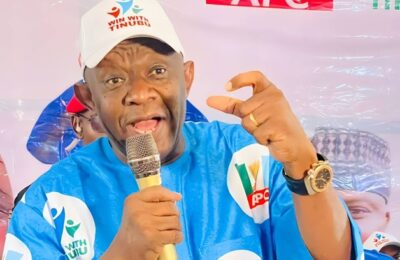
The challenge now is for those who have benefited from this model of leadership to ask themselves hard questions. Have they replicated the same gestures in the lives of those who now look up to them, especially in Kogi State? Have new leaders mistaken personal wealth accumulation for genuine governance? How many people have they built, the way they themselves were built? Do they remember the downtrodden only during elections, to use them as tools for political gain? Do they engage youths only when it is time to distribute T-shirts and face caps?
As we approach the 2027 general elections, the emerging leaders must search their conscience. True leadership is measured not just by what you acquire for yourself, but by the number of people you raise who can also raise others.
– Zacchaeus Ozovehe Emmanuel, PhD writes from Lokoja.