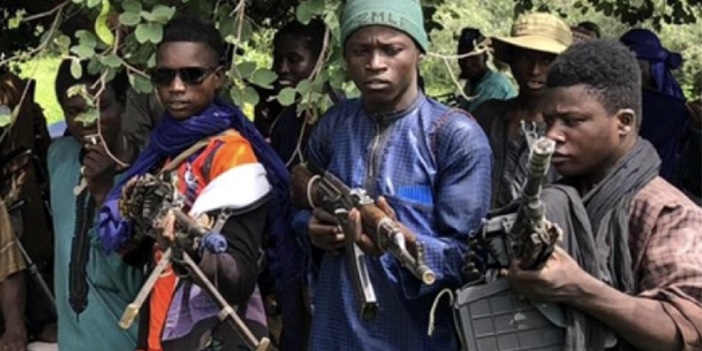

Bandits in Nigeria do use forests as hideouts and sometimes keep kidnapped victims there for days or weeks, even with wild animals around.
But “securing” victims from wildlife is hard and risky for both bandits and captives.
Why bandits use forests

Cover and escape routes: interconnected forests like Kainji National Park, Old Oyo National Park, Falgore Forest, Sambisa, and Kuyambana provide multiple exit paths across Niger, Kwara, Kaduna, Zamfara, Borno, and even into Benin Republic.
Weak surveillance: Security operatives say criminals exploit poor forest surveillance and border security.
Existing criminal infrastructure: Some forests were already havens for cattle rustlers and armed robbers before banditry surged.
Terrorist groups like JAS and ISWAP also operate from these areas.
What about wild animals?
Many forests have fewer large predators now: Sambisa used to have elephants straying in, but hunting and human activity drove most wild animals away.
Falgore still has 24 animal species, but large carnivores that regularly attack humans are not common in most bandit corridors.
But danger still exists: These remain national parks/game reserves. Kainji, Gashaka-Gumti, Cross River, and others still have wildlife, and parks like Kainji have had rangers chased out by armed groups. Snakes, hyenas, leopards, and other wildlife are still present in some areas, and camps have poor medical care when people get sick or injured.
Bandits aren’t wildlife experts: They’re hiding from the military, not managing ecosystems.
Reports show their camps face illness and food scarcity, and conditions are grim for both captives and captors.
A rescued victim described “no drugs or proper care in the forest, and some of them were frail”.
Can they “secure” victims from wildlife?
Not reliably. Bandits choose forest locations mainly to avoid soldiers/police, not because they can control animals.
They use basic measures: Armed guards, fires at night, and keeping victims in huts or locked buildings.
In Bakali village attack, victims were locked in a house before being burned.
In other cases, victims are kept in makeshift camps.
Wildlife is a secondary threat: The bigger risks to victims are disease, malnutrition, abuse by bandits, and crossfire during military raids.
Troops have rescued victims from forest camps in Katsina and Zamfara during operations.
Bandits themselves get hit: 37 suspects were arrested for mining/banditry in Old Oyo National Park, and Kainji Lake National Park troops “neutralised five” bandits while rescuing 4 victims.
Bandit camps have also been degraded by illness and lack of supplies.
Key point:
Forests are not “safe” for anyone. Victims held there face threats from the environment + the bandits.
The bandits’ priority is evading security forces. They don’t have proper structures to protect anyone from wild animals, and both groups sometimes suffer from the same hazards.
Driver’s on high ways
Traveling highways with bandit activity is a real risk in parts of Nigeria right now. If you’re driving a car or truck, your best defense is planning + unpredictability + coordination.
Here’s what experienced drivers and transport unions recommend:
Before you leave
Get current intel: Call the NURTW/park chairman, police division, or trusted drivers who ran the route today.
Bandit hotspots shift weekly. Routes like Abuja-Kaduna, Birnin Gwari, Kaduna-Zaria, and parts of Zamfara/Sokoto axes need checking daily.
Avoid night travel:
90% of attacks happen between 6pm–6am.
Plan to be off the road by 5pm and start after 7am. Bandits use darkness for ambushes.
Travel in convoy: Solo vehicles are easy targets. Join a convoy of at least 3–5 vehicles.
Many parks organize timed convoys with occasional military escorts.
For trucks, team up with other haulage drivers.
Share your plan: Give your route, plate number, and ETA to family, your company, and your destination contact. Check in at every major town. Apps like WhatsApp location sharing help.
Vehicle prep: Full tank, spare tire, tools, extra water/food. You don’t want to break down in a remote stretch.
Remove valuable branding from trucks if possible — it signals cargo worth taking.
On the road
Vary your routine: Bandits monitor patterns. Change departure times, rest stops, and even routes when possible. Don’t stop at the same mama-put every trip.
Watch for warning signs: Blocked road with logs/stones/“broken down” vehicles, groups of young men with bikes loitering, or sudden absence of other traffic. Slow down early, assess, and be ready to reverse.
Don’t confront: If flagged down by armed men, don’t argue or try to run roadblocks unless you’re 100% sure you can clear it.
Many drivers say compliance saves lives — vehicles can be replaced.
Keep cash minimal but accessible: Bandits often demand phones/cash. Keep a “burner” phone and small cash separate from your main money.
Hiding everything can escalate violence if they search you.
Stay alert at choke points: Bridges, forests, sharp bends, and bad road sections where you must slow down are preferred ambush spots.
Truck drivers should maintain distance so you don’t all get boxed in.
No hitchhikers: And be wary of “accident victims” or people flagging you down in isolated areas. It’s a known tactic.
For truck/commercial drivers specifically
Escort services: High-value cargo should use police/military escorts. It costs, but compare it to losing the truck + goods + ransom risk.
Contact the state police command for official escorts.
GPS trackers + panic buttons: Many haulage companies now mandate them. They won’t stop an attack but help with recovery and alerts.
Don’t sleep on the road: Rest only in recognized parks, police stations, or well-lit filling stations with other trucks. Bush sleeping is how most hijackings happen.
Cargo discretion: Use plain tarpaulins. Don’t discuss load type/value at parks or on phone in public.
If the worst happens
Stay calm, no sudden moves. Hands visible.
Don’t lie if they catch you — they often already know details from informants.
After release: Report immediately to the nearest police station and your union.
Quick reports help security forces track patterns.
Key mindset: Bandits want money/kidnapping, not usually your life unless you resist. Property can be replaced.
– Benjamin Ibrahim writes from Lokoja, Kogi state.
+2348069596250