
From Yahaya Bello’s unfulfilled Idah–Agenebode Bridge promise to Ododo’s 30-month deadline, Kogi East must ask whether its people are finally receiving development or being handed another political promise wrapped in ceremonial fanfare.
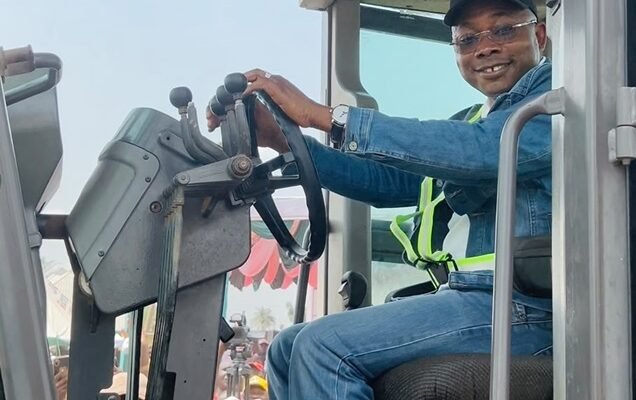
A flag-off ceremony is not a road, just as a promise is not development. Governor Ahmed Usman Ododo’s commencement of the 37-kilometre Idah–Ibaji road project offers genuine hope to communities long imprisoned by infrastructural neglect. But hope, particularly in Kogi East, must not be mistaken for evidence of delivery. The people deserve more than another photograph of political leaders standing beside construction equipment.
On November 9, 2026, all government schools where closed down because the teachers were asked to go and wait where Ododo is coming to flagged off the project, which will connect Idah to Onyedega, the headquarters of Ibaji Local Government Area, passing through Ejule- Ojeba and Unale. China Civil Engineering Construction Corporation (CCECC) has promised completion within 30 months, including six bridges and a 10.3-metre-wide carriageway. If delivered to specification, this infrastructure could unlock agricultural markets, improve healthcare access and reconnect economically isolated communities. Nevertheless, the real test begins after the microphones are switched off.

Kogi East has reasons to be cautious. In 2019, former Governor Yahaya Bello flagged off the proposed Idah–Agenebode Bridge across the River Niger, presenting it as a transformative connection between Kogi and Edo States. The announcement generated enormous expectations, yet the promised bridge never materialised as a completed infrastructure project. Seven years later, that unfinished chapter remains a painful reminder that political ceremonies can outlive the promises they celebrate.
This history raises an uncomfortable question: are the Igala people being taken for granted? Their votes are courted, their traditional institutions are celebrated, and their political relevance is regularly acknowledged. Yet, when development is measured against years of infrastructural deprivation, the results have often fallen short of expectations. A people should not have to repeatedly exchange electoral loyalty for promises of roads, bridges and basic amenities.
The danger is that political symbolism can become a substitute for public service. A flag-off attracts dignitaries, generates headlines and creates an atmosphere of accomplishment. But for a farmer struggling to transport produce, a pregnant woman seeking emergency medical attention or a trader navigating flooded roads, political excitement cannot replace physical infrastructure. You cannot feed a hungry community with ceremonial photographs, nor can political speeches bridge a river.
Ododo must therefore understand that this project carries a responsibility larger than his administration’s political reputation. The 30-month deadline must be accompanied by transparent contract information, measurable construction milestones, independent engineering supervision and regular public progress reports. CCECC must deliver the six bridges, drainage systems and carriageway according to approved specifications. A road that collapses after a few rainy seasons is not development; it is public money buried beneath concrete.
The Igala traditional institutions, political representatives and community leaders must also rise above ceremonial politics. Their responsibility extends beyond welcoming governors, issuing commendations and celebrating political access. They must become vigilant custodians of public interest. Supporting a government does not require surrendering the right to question it. Indeed, genuine loyalty to one’s people sometimes demands uncomfortable questions of those in power. Silence is not solidarity, and access is not achievement.
Ododo now has an opportunity to distinguish his administration from the disappointments that preceded it. He should not inherit the political culture of announcing projects without ensuring their completion. Yahaya Bello’s Idah–Agenebode Bridge remains a cautionary chapter; the Idah–Ibaji road must not become another. The people are not asking for miracles. They are demanding accountability, durable infrastructure and the fulfilment of legitimate public obligations.
Ibaji does not need another groundbreaking anniversary; it needs a road. The history of Kogi East should not be a revolving door through which successive administrations enter with promises and leave behind abandoned expectations. In 30 months, the verdict should be visible in asphalt, bridges and improved livelihoods, not another speech explaining delays. The Igala people’s patience must never become a political resource to be exploited. Their hope is not an electoral currency, and their future is not a campaign prop.
– Inah Boniface Ocholi writes from Ayah – Igalamela/Odolu LGA, Kogi state.
08152094428 (SMS Only)