
Kogi is Nigeria’s true Confluence State not just where River Niger and Benue meet in Lokoja, but where agriculture, solid minerals, and water resources meet.
It has over 20 solid minerals in commercial quantity.
Here are bankable investor plays by resource:

- SOLID MINERALS – The Biggest Ticket
Kogi holds Nigeria’s largest iron ore deposit at Itakpe and Agbaja, plus massive limestone at Obajana / Jakura.
A. Limestone, Marble & Dolomite:
Business: Cement, lime, POP, tiles, terrazzo, dimension stone cutting. Dangote Cement at Obajana is already thriving on Kogi limestone.
Opportunity: Supply crushed limestone to cement plants, marble for construction, and dolomite for glass/steel industry.
B. Iron Ore & Steel Value Chain:
Business: Iron ore beneficiation, pelletization, foundry, steel fabrication, spare parts. Itakpe Iron Ore and Ajaokuta Steel are located here.
Opportunity: Small modular mini-steel mills, iron rods, nails, metal doors.
Coal – Okaba District:
Business: Coal was historically mined here and Dangote Group is now opening coal in Kogi East.
The state recently acquired 15 mining licenses covering coal, limestone, tin, iron ore and bauxite.
Opportunity: Clean coal briquettes for industry, coal for cement kilns, and future power generation.
Other High-Value Minerals:
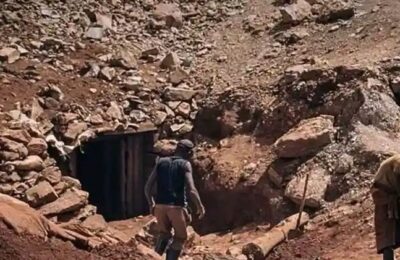
Gold from Isanlu in Yagba East, quartz from Okene/Okehi, gems/ornamental stones from Lokoja, crude oil traces in Ibaji, plus clay, feldspar, cassiterite, phosphate.
Business: Gold aggregation and buying center, gemstone cutting & polishing, quartz for solar/glass, clay for ceramics/bricks, phosphate for fertilizer.
AGRICULTURE & AGRIBUSINESS
Kogi has vast arable land and favorable climate for cassava, rice, maize, yam, cashew.
Bankable models:
Staple Processing: Cassava to garri, starch, ethanol; Rice milling in Ibaji, Idah, Ankpa; Maize to animal feed.
Cash Crops: Cashew processing and export – Kogi is in Nigeria’s cashew belt. Shea butter, palm kernel oil.
Irrigation Farming: Use the Niger/Benue tributaries for dry-season farming – vegetable, sugarcane and rice clusters.
Livestock & Aquaculture: Feed mill and poultry integration, fish farming along the confluence.
WATER & CONFLUENCE ECONOMY
The Niger and Benue rivers provide ample water for industry, irrigation and people.
Business:
Commercial fishing, cold-chain and fish feed production
River sand dredging and sharp sand supply for construction in Abuja/Lokoja
Water transport / barges – moving produce and minerals
Confluence tourism: Lokoja boat cruises, hotels, resorts, Mount Patti eco-lodge
FOREST & CARBON RESOURCES
Commercial forestry – teak, bamboo cultivation
Charcoal briquettes from agricultural waste
Carbon credit project via reforestation What Smart Investors Are Doing Now:
For Small Capital (N5m – N50m): Aggregator model buy cashew, cassava, marble chips from artisanal miners, add small processing, sell to Obajana, Lagos.
For Medium Capital (N50m – N500m): Mining license JV with Kogi State – the state has 15 licenses open for partnership, set up a stone crushing plant, rice mill, or cashew processing factory in industrial zone.
For Large Capital (500m+): Integrated mineral processing park, 10MW coal-to-power for captive use, large-scale irrigated farm and outgrower scheme.
For Kogi State Ministry of Commerce & Industry, the job is not to do business but to do-risk business for investors and organize producers into bankable cooperatives.
Here is a practical framework built around Kogi’s confluence advantage:
The Core Strategy:
From Resource Owners toValueChain Owners
Right now Kogi exports raw cashew, raw marble, raw cassava.
The Ministry should shift the state from resource extraction to resource processing
FOR INVESTORS
Make Kogi the Easiest Place to Start
A. One-Stop Investment Desk (30- Days Permit Model)
Create a Kogi Investment Facilitation Desk inside the Ministry with KOSIPPPPA, Lands, Environment and Mining Cadastre Office sitting together every Thursday.
An investor should get:
Land allocation letter
Cooperative off-taker agreement
Mining consent or farm cluster allocation In 30 days, not 6 months.
Leverage the State-Owned Mining Licenses
The state already holds licenses for limestone, coal, iron ore, tin, bauxite.
Etc
JV Model: Ministry offers 40% equity to technical investor, 40% to state, 20% reserved for host community cooperatives.
This removes the biggest headache for investors license acquisition.
Industrial Clusters, Not Scattered Factories
Obajana- Jakura Cluster: Limestone, marble, dolomite – tiles, POP, lime, stone cutting park with shared power & crushing plant
Itakpe-Okene Cluster: Iron/Steel fabrication, spare parts, foundry
Idah-Ibaji Cluster: Rice & cassava processing park with irrigation from Niger/Benue
Isanlu-Yagba Cluster: Gold & gemstone buying and polishing center
Investors get shared power, water, security, weigh bridge – lower CAPEX.
Investor Incentives Package
3-year tax holiday on processing, not extraction
Matching grant for equipment that processes in Kogi (e.g., if you bring a N100m cashew shelling line, state supports 20% through BOI/Kogi Enterprise Fund)
Guaranteed off-take through cooperatives organized by Ministry 2. FOR COOPERATIVE SOCIETIES – Make Them Bankable
Cooperatives fail because they are registered but not linked to market. Ministry should re-organize them by value chain:
A. Re-Registration into 4 Federations:
Kogi Solid Minerals Miners Cooperative Federation – artisanal miner
Kogi Cashew & Shea Cooperative Federation
Kogi Staple Foods Cooperative (Rice, Cassava, Maize)
Kogi Confluence Fishermen & Water Transport Cooperative
They four Pillars of Empowerment:
Training & Formalization:
Mine safely, grade cashew, use improved cassava stems. Ministry partners with RMRDC, NEPC, SON for certification.
Issue Cooperative Mining Permits and Trade Certificates.
Equipment Leasing, Not Cash Sharing:
Don’t give cash. Give equipment held by Federation and leased to members:
Small crushers, washers for miners
Rice milling machines, cassava graters, cashew shellers
Outboard engines and cold boxes for fishermen This reduces diversion.
- Finance Linkage:
Ministry stands as guarantor/coordinator for BOI, NEXIM Bank, SMEDAN, Bank of Agriculture loans
Create a Kogi Resource Value Addition Fund: 70% loan to investors, 30% grant to cooperatives supplying them.
Repayment is deducted from sales to the investor.
Guaranteed Market – The Most Important:
Sign tripartite MOUs: Cooperative , Ministry and Investor/Off-taker
Example: Idah Rice Cooperative supplies 500 tons paddy/month to a mill in Ejule, price fixed pre-season. Mill gets consistent raw material, farmers get assured income.
QUICK WINS the Ministry Can Launch in 90 Days
Confluence Resource Summit: Invite Dangote, BUA, cashew exporters, miners, banks to Lokoja.
Exhibit 15 mining titles and 50 cooperative products.
Digital Kogi Products Marketplace: Simple USSD
WhatsApp catalog for all cooperative products Buy Lokoja Marble,Buy Ibaji Rice – managed by Ministry.
Confluence Trade Corridor Since Abuja is your biggest market, Ministry runs a weekly Kogi truck to Abuja cashew, yams, fish,
marble tiles with a Kogi Market Stall in Abuja.
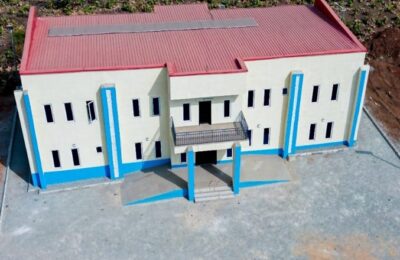
Cooperative Incubation Hubs in 3 Senatorial Zones: One building in Lokoja, Anyigba, and Kabba with training hall, storage, small processing line. Policy Shift to Announcement, “Kogi State will no longer support export of unprocessed minerals and raw cashew from 2027. Any exporter must show 30% value addition in-state
This single policy will force investors to build processing here and cooperatives become suppliers, not just laborers.
– Benjamin Ibrahim writes from Lokoja, Kogi state.
+2348069596250