
Idah does not need another political ribbon cutting masquerading as development. It needs a road that can survive rain, traffic and time. If the pavement is genuinely shallow, drainage inadequate, and construction standards compromised, government must stop celebrating appearance and start defending durability before taxpayers inherit another expensive failure. Today.
Governor Ahmed Usman Ododo should understand the message beneath the asphalt. Idah is not asking for a favour. It is demanding infrastructure commensurate with its population, commerce, strategic location and contribution to Kogi State’s future.
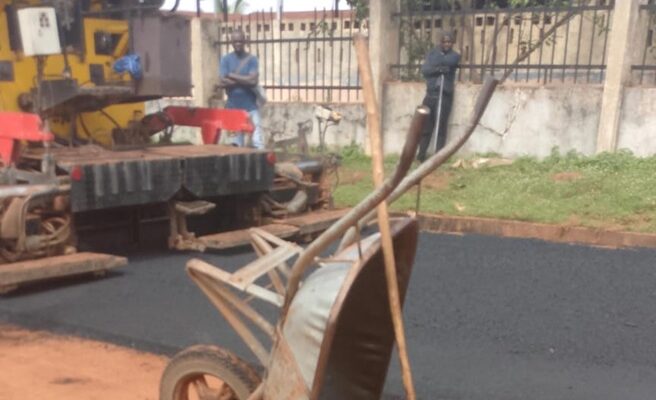
A road is not dualisation because engineers divide lanes and politicians unveil photographs. Dualisation means structural integrity, drainage, proper subgrade preparation, adequate pavement thickness and quality control capable of surviving punishment that roads routinely endure.

The concern confronting Idah is simple: what exactly is being constructed beneath surface? Residents deserve evidence that pavement thickness, materials, compaction, drainage and foundation meet required specifications. Anything less transforms public infrastructure into political theatre.
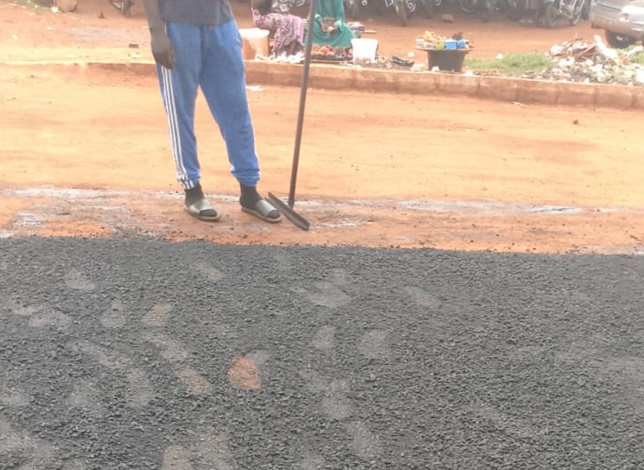
Flooding should not become a surprise after commissioning. Serious road design must anticipate rainfall, runoff and drainage pressure. If water penetrates, erodes or undermines pavement because protective infrastructure is inadequate, taxpayers will finance the consequences.
This is why the governor should increase funding if the existing allocation cannot deliver the required engineering standard. Saving money during construction is not prudence when government may later spend substantially more repairing premature deterioration.
Idah deserves a century road, not a temporary political monument. The difference is quality. Engineered infrastructure can stimulate commerce, reduce transport costs, improve connectivity and unlock economic opportunities long after today’s political actors have left office.
Kogi cannot continue measuring development by inauguration ceremonies. The audit begins after cameras disappear. How many rainy seasons does the road survive? What maintenance will it require? How quickly do cracks, potholes and failures appear?
Government should therefore invite independent engineers, professional bodies and relevant oversight institutions to examine the project transparently. Public confidence grows when officials welcome scrutiny instead of treating legitimate questions about construction quality as political hostility.
Ododo has an opportunity to change the narrative before this project becomes a tale. He can insist on materials, adequate pavement thickness, effective drainage, rigorous supervision and funding. Leadership means spending more to prevent waste tomorrow.
Idah people should not be presented with asphalt and instructed to call it transformation. Transformation must be measurable, durable and defensible. The road must carry vehicles, withstand weather, support businesses and remain when attention moves elsewhere.
The governor should remember that infrastructure has a longer memory than politics. Political administrations come and go, but constructed roads remain monuments to poor judgment. Conversely, infrastructure becomes a legacy citizens experience long after government changes.
This is bigger than one road. It tests whether Kogi State understands infrastructure as productive investment rather than ceremonial expenditure. Every naira should produce maximum public value, especially when communities have waited years for connectivity.
Idah has no reason to apologise for demanding quality. Citizens pay taxes, endure hardship and depend on infrastructure daily. They deserve roads designed for their reality, not roads whose weaknesses become obvious after serious season.
Governor Ododo should raise the ambition, strengthen funding and demand independent verification of construction standards. If the present design is inadequate, correct it now. Reconstructing tomorrow will cost more financially, politically and socially to taxpayers.
The question confronting Idah is no longer whether government is constructing a road. The question is whether government is constructing infrastructure worthy of the people it governs. A century deserves a road built with century thinking.
– Inah Boniface Ocholi writes from Ayah – Igalamela/Odolu LGA, Kogi state.
08152094428 (SMS Only)