
By Alao Adamadamosi Sunday, ARPA
The Ogori Descendants’ Union (ODU) has inaugurated the Steering Committee for the Ogori International Conference for Development 2026, a move aimed at shaping the next 30 years of the ancient community.
Scheduled for 2026, the conference is designed as a landmark gathering to chart a comprehensive development pathway for Ogori. It will bring together sons and daughters at home and in the diaspora, traditional institutions, community leaders, professionals, academics, entrepreneurs, investors, government representatives, and development partners to examine current realities and articulate a shared vision for the community.

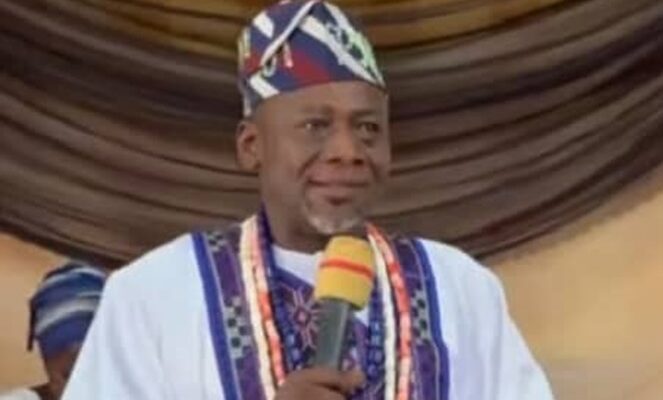
Dr. Gabriel Osiwomekwin Aiso, FCPEL, President of ODU, who approved the Terms of Reference, stressed the need for collective participation. The initiative follows the successful Ovia Osese Cultural Festival, a UNESCO-recognised event in Kogi State that celebrates the girl child and showcases Ogori heritage.
The 30-man Steering Committee led by Mrs. Petra Akinti, will serve as the principal planning and oversight body. Its responsibilities include developing the work plan, structuring the programme, setting up subcommittees, mobilising stakeholders, and leading resource mobilisation, fundraising, sponsorship, and partnerships. It will also ensure that conference discussions are documented into clear recommendations and resolutions.
Discussions will cover economic development, agriculture and agro- industrialisation, infrastructure, education and human capital, health, culture and heritage, technology, tourism, security, and environmental sustainability. A central outcome will be the “Ogori 2056 Development Blueprint,” a 30-year framework to guide the community’s growth.
The three-day programme will begin with reflection on identity and unity, featuring a procession of traditional rulers, cultural displays, and a keynote on “Ogori: Yesterday, Today and the Next 30 Years.” Sessions will focus on preserving the Ogori language and heritage, the role of unity in growth, and finding lasting solutions to the long-standing kinship question.
Day two will centre on development, innovation and opportunities with panel discussions on education, agriculture and food security, business, technology, tourism, and agro -industrialisation. A special session on “Building the Ogori Cassava Value Chain Market” will explore aggregation, processing, export opportunities, financing, and rural industrialisation. Breakout groups will address youth development, women empowerment, diaspora engagement, infrastructure, health, and security.
The final day will present reports from breakout groups including the Kingship and Agro – Industrialisation working groups. The conference will culminate in the adoption of the Ogori 2056 Development Charter, the Ogori Peace and Cohesion Framework, and the Agro-Industrial and Cassava Market Framework. It will also feature the launch of the Ogori Development Fund, the Youth Leadership Council, and the Agro-Industrial Development Committee.
A major proposal is the Ogori Cassava Value Chain and Agro-Commodity Market Initiative, intended to transform cassava production into a driver of jobs, trade, and industrial growth. The plan includes a structured regional cassava market to serve Ogori, neighbouring communities, and parts of Kogi, Edo, Ekiti, Ondo and Abuja; processing clusters for garri, fufu, flour, starch and other derivatives; an export and industrial commodity strategy; youth and women agro-enterprise programmes; infrastructure and logistics support; and a public-private partnership framework involving the Federal Ministry of Agriculture, Bank of Agriculture, NEPC, SMEDAN, BOI and other partners.
The initiative is projected to create jobs, reduce rural-urban migration, strengthen food security, increase household incomes, attract investment, and position Ogori within Nigeria’s agro-industrial map.
Expected outcomes also include a 30-Year Masterplan from 2026 to 2056 covering roads, water, health, schools, ICT, housing, agriculture, tourism, security and agro – industrialisation; a first 5-Year Action Plan from 2026 to 2031; a transparent and diaspora-inclusive Ogori Development Fund; and a community-endorsed Ogori Peace and Cohesion Accord.
ODU, the apex socio-cultural organisation of the Ogori people, has branches across Nigeria and in the diaspora. The union currently supports staff at the General Hospital and Community Comprehensive High School in Ogori and has engaged the Kogi State Government and security agencies on insecurity along the Ageva-Magongo Road. According to Dr. Aiso, the state government should also harness the economic potential of the Ovia Osese Festival for revenue generation. He has repeatedly called for unity, noting that “division is a luxury the community cannot afford.”
The conference, themed “Ogori in the Next 30 Years: Vision, Unity, Sustainable Development and Agro-Industrial Transformation,” is open to all Ogori indigenes, traditional institutions, professionals, investors, government representatives, NGOs, development partners, and friends of Ogori.
With the slogan “Our Heritage, Our Future, Our Responsibility,” the gathering is positioned as a defining moment to secure Ogori’s place in Nigeria’s development story for generations to come.
For more information, media inquiries, or partnership opportunities, contact the OICD 2026 Steering Committee through the ODU Secretariat.