
Truth often enters history like a defendant, shackled by suspicion and surrounded by loud accusers. Lies, by contrast, stride into the public square dressed as honour, applauded by crowds that mistake confidence for credibility. Yet history delivers the same verdict with remarkable consistency: truth may endure interrogation, humiliation, and delay, but lies eventually collapse beneath the weight of their own deception. Nowhere is this reality more painful than within the Christian community, where false accusations not only wound innocent believers but also diminish the Church’s witness to the righteousness of Christ.
False accusation is one of the oldest weapons in human history. Joseph was imprisoned because of a fabricated story. Naboth lost his life because corrupt witnesses preferred power to truth. Daniel was cast into the lions’ den through calculated conspiracy. Above all, Jesus Christ stood before earthly courts condemned by false testimony despite His perfect innocence. The pattern is unmistakable. Truth has never been immune from trial. Indeed, the righteous often become its first custodians because they are willing to suffer rather than surrender integrity.
The tragedy is that many churches have become vulnerable to the same spirit they denounce. Rumour travels faster than evidence. Emotion overwhelms discernment. Popular opinion masquerades as justice. A whisper becomes a verdict before facts receive a hearing. Reputations painstakingly built over decades are dismantled in days, while those responsible for the destruction often seek refuge behind claims of spiritual concern. Such conduct does not defend the Gospel; it contradicts it. Scripture forbids bearing false witness because God understands that a lie is never confined to words. It invades families, fractures fellowship, destroys ministries, and leaves scars that repentance alone cannot easily erase.

Justice demands more than sympathy for the accuser or compassion for the accused. It requires disciplined commitment to truth. Every allegation deserves careful examination. Every witness deserves scrutiny. Every accused person deserves an impartial hearing. Church leaders who abandon these principles surrender biblical justice to the court of public sentiment. They may preserve temporary peace, but they sacrifice lasting credibility. The Church cannot proclaim Christ as the righteous Judge while practising selective justice within its own walls.
Truth resembles gold refined in a furnace. Fire does not destroy it; fire reveals it. Lies resemble painted clay. They glitter briefly beneath favourable light, but the first storm exposes their weakness. Time has an uncompromising habit of stripping away pretence. What was concealed emerges. What was fabricated unravels. What was spoken in malice returns to confront its author. Divine justice may appear unhurried, but it is never absent.
This reality should sober every Christian. Words are seeds that never remain buried. They grow into trust or suspicion, healing or destruction, righteousness or regret. To accuse another without evidence is to place oneself in opposition to the God who delights in truth. To repeat an unverified story is to become an accomplice to injustice. The command not to bear false witness is therefore not a relic of ancient law but a living safeguard for every generation of believers.
The Church does not need louder voices. It needs cleaner hands, wiser judgment, and hearts anchored in truth rather than impulse. Brotherhood without justice is fragile. Worship without integrity is hollow. Faith without truth is performance. If Christians are to reflect the character of Christ, they must refuse to condemn where evidence is absent, refuse to gossip where facts are uncertain, and refuse to celebrate accusations simply because they are popular.
Truth may indeed stand trial. It may be mocked, isolated, and misunderstood. But its chains are temporary because its foundation is eternal. Lies, however celebrated, carry within themselves the seeds of their own destruction. They may win the applause of the moment, but they never survive the judgment of time or the scrutiny of God. In the end, truth does not triumph because it is loud. It triumphs because it is truth.
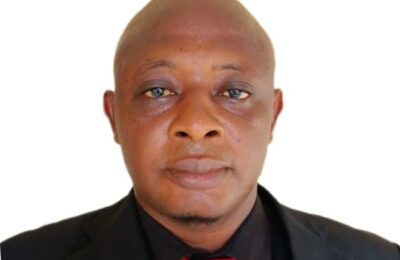
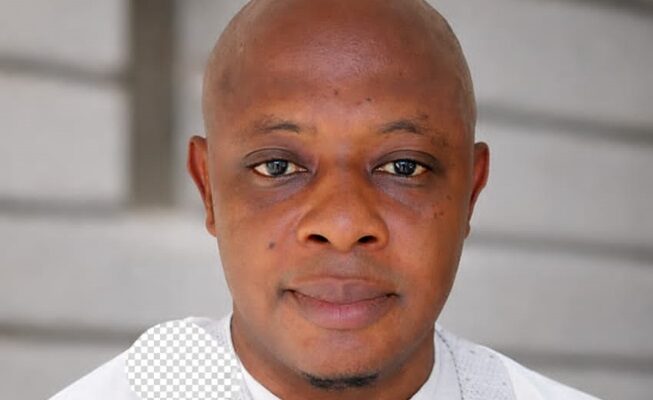
– Inah Boniface Ocholi writes from Ayah – Igalamela/Odolu LGA, Kogi state.
08152094428 (SMS Only)