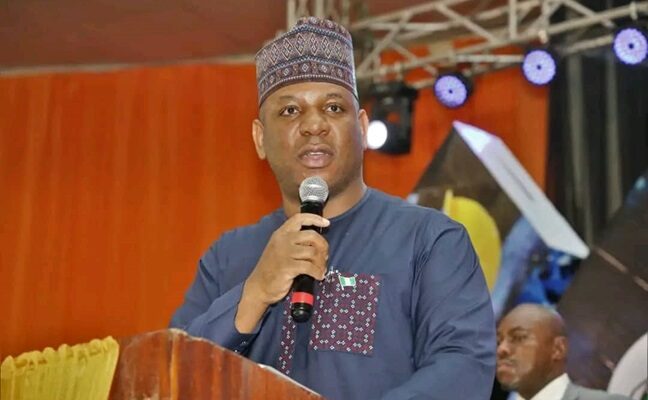

Prince Shuaibu Abubakar Audu is steadily proving that leadership in public service is not about noise, endless promises, or media appearances alone, but about measurable actions that inspire confidence within an industry long neglected. In a sector that many Nigerians once considered dormant and directionless, the Minister of Steel Development has begun laying the foundation for a genuine revival of Nigeria’s steel industry, and the signs are becoming increasingly visible.
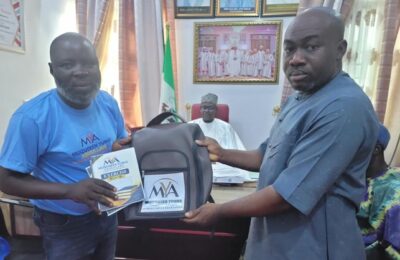
The recent visit by the delegation of the National Steel Council (NSC), led by the Executive Secretary, Ambassador Abdulkadir Musafari mni, to the Federal Ministry of Steel Development in Abuja was more than a routine courtesy call. It was a strong institutional endorsement of the Minister’s style of leadership and commitment to rebuilding the steel sector. The delegation openly acknowledged the Minister’s support to the Council, particularly in facilitating staff recruitment and strengthening the operational capacity of the agency. Such commendation from critical stakeholders within the steel ecosystem is significant because it reflects growing confidence in the direction of the Ministry under Prince Audu.
For decades, Nigeria’s steel sector has suffered from policy inconsistencies, inadequate manpower, poor institutional coordination, and lack of political will. Many administrations spoke passionately about industrialization, yet the steel industry remained largely stagnant despite its enormous economic potential. The steel sector is central to national development because no serious industrialized country can survive without a functional steel industry. Steel supports construction, manufacturing, transportation, defense, energy, and infrastructure. It is the backbone of industrial growth.

This is why the current efforts by Prince Shuaibu Audu deserve recognition. His administration is beginning to address one of the biggest challenges confronting public institutions in Nigeria: capacity. The recruitment of over 300 personnel across steel agencies is not just a routine employment exercise; it is a strategic investment in the future of the industry. For years, many agencies under the Ministry struggled with aging workforce shortages and limited technical manpower. By bringing in fresh personnel, the Minister is helping to inject new energy, ideas, and professionalism into the system.
What makes this initiative even more commendable is the fact that the recruitment drive is directly tied to improving institutional effectiveness. According to Ambassador Musafari, the newly recruited staff have already enhanced productivity within the National Steel Council. This is a major indication that the Minister’s intervention is producing practical results rather than mere bureaucratic expansion.
Beyond recruitment, Prince Audu is also demonstrating an inclusive leadership approach. His openness to the proposal advocating for the inclusion of qualified persons with disabilities in future employment opportunities reflects a modern understanding of governance and social responsibility. In a country where persons living with disabilities are often excluded from meaningful opportunities despite possessing valuable skills and qualifications, such a position sends a powerful message about fairness, inclusion, and equal opportunity.
The Minister’s acceptance of this proposal also aligns with broader national conversations about reducing unemployment and promoting social inclusion. By acknowledging that qualified persons with disabilities can contribute effectively in several units within the steel agencies, Prince Audu is helping to redefine public service as a space where competence matters more than physical limitations. This is the kind of progressive thinking Nigerians expect from leaders in contemporary governance.
Another reason why many stakeholders believe the Minister is getting it right is his ability to build cooperation among agencies under the Ministry. During the meeting, representatives from sister agencies, including the Ajaokuta Steel Company and the National Steel Raw Materials Exploration Agency, expressed appreciation for his support and leadership. Such unity among agencies is critical for the success of the steel sector because fragmented institutions can never deliver coordinated industrial growth.
The Minister appears to understand that reviving Nigeria’s steel industry requires collective effort, collaboration, and a shared vision. His statement that “the future of Nigeria’s steel industry depends on the collective commitment of all stakeholders” captures the essence of sustainable leadership. It shows that he is not approaching the Ministry as a one-man institution but as a coordinated national project requiring cooperation between government agencies, investors, technical experts, and workers.
There is also growing optimism because Prince Audu represents a younger generation of leadership determined to move beyond old excuses and bureaucratic stagnation. Nigerians are tired of hearing about the endless potentials of Ajaokuta Steel without seeing practical progress. They are tired of abandoned industrial dreams and policy papers that never translate into reality. What citizens want now are practical reforms, institutional efficiency, job creation, and measurable progress.
The Minister’s actions suggest that he understands these expectations. His focus on strengthening institutions rather than merely making public declarations is a positive sign. Institutions are what sustain development beyond political tenures. By improving manpower capacity, supporting agencies, encouraging professionalism, and promoting inclusivity, he is helping to establish structures that can support long-term industrial transformation.
Furthermore, the steel industry has enormous implications for Nigeria’s economic diversification agenda. For too long, the country has depended heavily on crude oil revenues while neglecting industrial development. A functional steel sector can reduce import dependence, stimulate local manufacturing, create thousands of jobs, and contribute significantly to GDP growth. It can also strengthen infrastructure development and support local content initiatives across various sectors.
Prince Audu’s leadership is therefore important not just for the Ministry of Steel Development, but for Nigeria’s broader economic future. His efforts to reposition the sector could become a major pillar in the country’s industrialization agenda if sustained with consistency and political support.
It is also important to recognize that leadership should not always be judged solely by completed mega-projects. Sometimes, the most important achievements are the foundational reforms that prepare institutions for future success. Recruiting competent personnel, improving operational efficiency, fostering cooperation among agencies, and promoting inclusivity may appear modest to some observers, but these are exactly the kind of reforms required to build sustainable institutions.
The commendation from the National Steel Council is therefore not accidental. It reflects a growing belief among stakeholders that the Ministry under Prince Shuaibu Audu is becoming more responsive, organized, and forward-looking. In an environment where public institutions are often criticized for inefficiency, such positive recognition is both encouraging and noteworthy.
As Nigeria continues its search for economic stability and industrial growth, leaders who focus on rebuilding critical sectors deserve support and encouragement. The steel sector remains too important to fail. If properly revived, it has the capacity to transform Nigeria’s industrial landscape and create opportunities for millions of citizens.
Prince Shuaibu Abubakar Audu may still have enormous challenges ahead, but the direction so far suggests a leader who understands the assignment before him. From strengthening institutional capacity to encouraging inclusivity and stakeholder collaboration, the Minister is showing clear signs of purposeful leadership. For many observers within the sector, these are strong indications that the Ministry of Steel Development is finally moving in the right direction under his watch.
– Musa Wada writes from Abuja.