
Not with laws alone does society reclaim order, but at the precise moment it decides whether freedom must be structured or left to dissolve under its own excesses. What is now unfolding across the digital world is not merely a policy debate; it is a civilisational negotiation. Social media, once celebrated as the great equaliser of voices, has matured into something far more complex, and perhaps more dangerous. It is no longer just a platform; it is an ecosystem of influence, a marketplace of attention, and, increasingly, a battleground for control. The question, therefore, is no longer whether regulation is necessary, but whether it can be pursued without quietly suffocating the very freedoms it claims to protect.
At the heart of this dilemma lies a paradox as old as governance itself. Every system that expands human freedom eventually encounters its own shadow. Social media promised voice, but it also amplified noise. It enabled connection, yet it normalised distortion. Algorithms, designed as neutral curators of relevance, have become architects of emotion, rewarding outrage, magnifying division, and, in some cases, endangering the most vulnerable. When governments step in, they do so not as intruders alone, but as responders to a crisis that platforms themselves have struggled to contain. Yet one must ask: when regulation enters the room, does it come as a surgeon or as a conqueror?
Consider the child navigating this digital terrain. What appears as harmless scrolling may conceal a labyrinth of psychological pressure, curated perfection, and invisible manipulation. Reports of anxiety, identity confusion, and digital dependency are no longer anecdotal; they are systemic. Should the state stand aside in the name of freedom, or intervene in the name of protection? And if it intervenes, who defines the boundary between safeguarding and surveillance? These are not technical questions; they are moral ones, demanding clarity in a time of rapid change.

Equally pressing is the question of power. Social media companies are no longer mere private enterprises; they are de facto gatekeepers of public discourse. Their algorithms decide visibility, their policies determine acceptable speech, and their reach rivals that of traditional state institutions. Is it sustainable for unelected entities to hold such influence without oversight? Yet, if governments assume that oversight, what guarantees exist that regulation will not become repression, especially in fragile democracies where dissent is often inconvenient?
In many parts of the world, including Nigeria, the tension is even more pronounced. Here, social media functions not only as a space for entertainment but as a critical avenue for civic expression, activism, and accountability. It has exposed corruption, mobilised youth movements, and challenged entrenched power structures. To regulate such a space is to touch a nerve in the democratic body. One misstep, and regulation becomes censorship; one absence, and disorder deepens. How then does a nation regulate without silencing, and protect without controlling?
The metaphor is instructive. Social media is no longer a river flowing gently through society; it is a floodplain, unpredictable and expansive. Left unchecked, it can erode institutions, distort truth, and destabilise communities. Overregulated, it risks being dammed into rigidity, where only approved currents are allowed to flow. The task before policymakers is therefore not to stop the water, but to channel it wisely, preserving its vitality while mitigating its destruction.
Ultimately, the future of social media governance will not be determined by laws alone, but by the philosophy that underpins them. Is freedom an absolute to be preserved at all costs, or a responsibility to be guided? Can transparency be enforced without compromising privacy? Can accountability be demanded without consolidating power in the hands of the state? These are the real questions, and they admit no easy answers.
What is certain, however, is this: the era of passive observation has ended. Societies must now decide, deliberately and carefully, the kind of digital world they wish to inhabit. For in attempting to regulate social media, we are, in truth, regulating ourselves, our fears, our values, and our vision of freedom in an age where influence travels faster than thought.
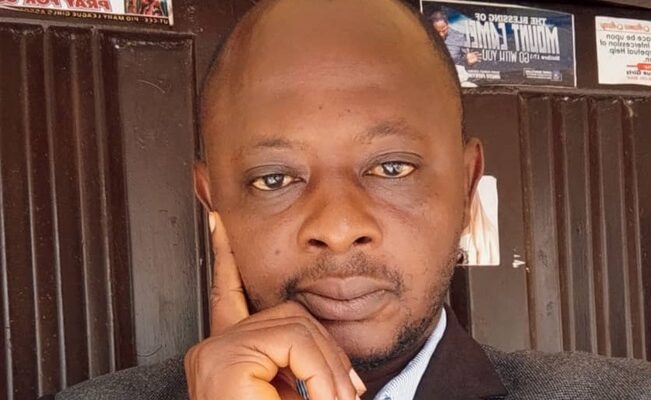
– Inah Boniface Ocholi writes from Ayah – Igalamela/Odolu LGA, Kogi state.
08152094428 (SMS Only)