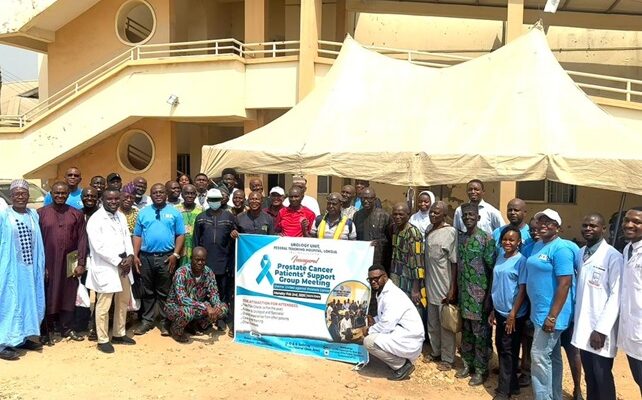

The Urology Unit of Federal Teaching Hospital (FTH) Lokoja on Monday, held its maiden Prostate Cancer Support Group Meeting to improve patients’ quality of life and clinical attendance.
The meeting was a follow-up to a summit held on November 11, 2025, which brought together stakeholders to discuss ways to tackle prostate cancer in Kogi State.
The initiative, supported by the Inclusive Cancer Care Research Equity (i-CARE) Consortium for Black Men, with a research initiative that aims to examine the incidence of anxiety, depression, and determine the quality of life of patients who have been diagnosed with prostate cancer.

Dr Ayodeji Ogunmola, Team Leader and Principal Investigator of i-CARE, FTH Lokoja, emphasized the importance of regular check-ups, especially for men over 45, to detect prostate cancer early.
He urged participants to share their experiences and support one another, promoting a culture of openness and awareness.
He urged both prominent and ordinary individuals to prioritize their health by undergoing regular check-ups, especially for prostate cancer.
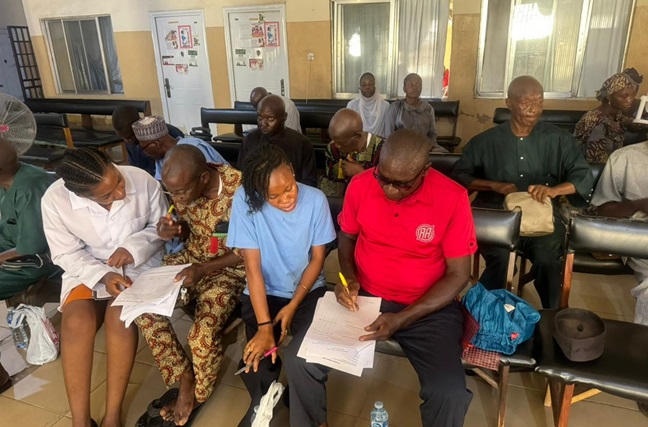
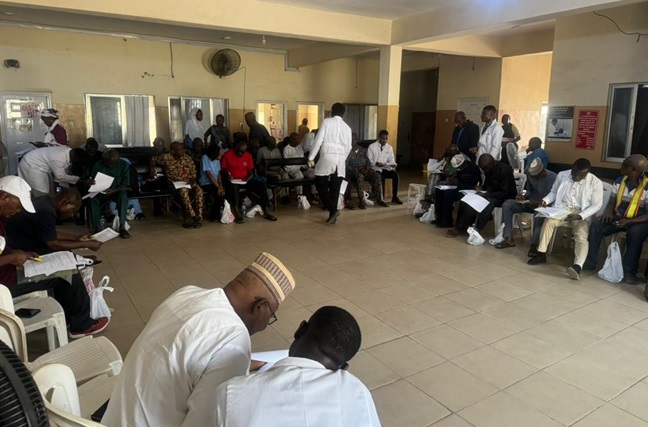
The leading Urologist attributed the high incidence of prostate cancer among men to a lack of regular check-ups and awareness.
Dr Ogunmola announced that the group would meet monthly, every first Monday, to raise awareness and promote men’s health.
He encouraged patients to ask questions freely and share their feelings without reservations.
The Slogan adopted for this year’s meeting is “United Together, We Stand Strong, We Support Each Other. We Fight Together in Life.”
The meeting attracted participants from various local government areas, including doctors, health experts, and patients.
Dr Taiwo Jones, the Site Principal Investigator, Prostate Cancer Transatlantic Consortium (CaPTC), emphasised that the meeting aimed to provide a platform for prostate cancer patients to share their experiences and receive support.
Other speakers, including Dr Abimbola Adesanya, Dr Olutayo Osunaiye, and Dr Collins Egbeola, emphasized the importance of early detection and treatment of prostate cancer.
The support group, meeting monthly on the first Monday, features lectures, free Serum Prostate Specific Antigens (PSA) checks, and access to urologists.
The event also included caregiver training and opportunities to share experiences with fellow patients.
It featured lectures on clinical and psychological challenges, and the importance of support for men living with prostate cancer.
Some participants, including Prof. John Alabi Bolarin and Joseph Titus, expressed gratitude to the Federal Teaching Hospital Lokoja for organizing the event, which they said had helped them manage their condition and improve their lifestyle.
The i-CARE Consortium, founded by Prof Mrs Folake Odediran, aims to reduce prostate cancer’s impact on black men through research, education, and support.