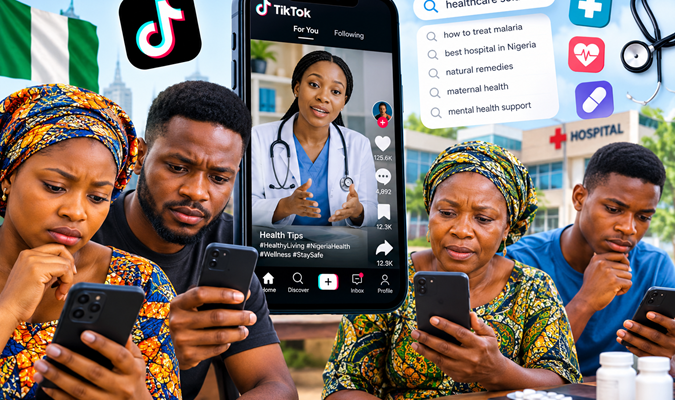

When a Nigerian with chest pain reaches for TikTok before reaching a doctor, the problem is not TikTok alone. It is a healthcare system that has made professional care so expensive, distant, crowded or inaccessible that an algorithm begins to look like a reasonable alternative. That is the real emergency.
Nigeria is allowing a dangerous parallel healthcare system to emerge on smartphones. TikTok creators diagnose symptoms, influencers recommend supplements, comment sections suggest antibiotics and viral testimonials substitute personal experience for clinical evidence. The algorithm does not know the patient, but it knows exactly how to keep the patient watching. Attention is being mistaken for expertise.
The structural failure is harder to confront. Public hospitals can be overwhelmed; primary healthcare centres can be poorly equipped; specialist care can be unaffordable; medicines can strain household budgets; and patients may spend hours travelling or waiting for treatment. For a low income family deciding between consultation, transport, medicine and food, a free online “diagnosis” can become economically irresistible. Misinformation thrives where reliable healthcare is hardest to reach.

Nigeria has seen the consequences of health misinformation before. During the COVID-19 pandemic, false claims about supposed treatments and preventive remedies spread rapidly, forcing health authorities and medical professionals to repeatedly counter dangerous claims. But the lesson should not be that Nigerians are gullible. The lesson is that an information vacuum is itself a public-health risk.
Government therefore cannot respond by simply warning citizens to “stop believing TikTok”. It must make qualified healthcare easier to access. That means investing in functioning primary-care facilities, reducing catastrophic out-of-pocket costs, improving medicine availability, expanding telemedicine under professional supervision and building trusted public-health communication that meets citizens where they already are — including social media.
The private sector also has a role. Platforms should be more aggressive about dangerous medical misinformation, while pharmaceutical companies, hospitals and licensed professionals should produce credible, understandable digital content capable of competing for attention. If evidence-based medicine speaks only in clinics while misinformation speaks fluently on smartphones, the algorithm will win the argument.
But citizens must also learn the limits of digital medicine. A testimonial is not clinical evidence. A viral creator is not necessarily a clinician. A symptom search is not a diagnosis. The fact that thousands of people have watched a treatment video does not make the treatment safe. Some illnesses demand examination, testing and timely intervention that no screen can provide.
Nigeria’s healthcare crisis is therefore bigger than TikTok. The platform is merely exposing a deeper vulnerability: when the formal health system becomes too difficult to navigate, Nigerians will build an informal one themselves. The country can condemn the shortcut, or it can repair the road that made the shortcut necessary.
The smartphone should be a bridge to qualified care, not a replacement for it. If TikTok becomes the hospital, Nigeria should not blame the patient for entering; it should ask why the real hospital became so difficult to reach.
– Inah Boniface Ocholi writes from Ayah – Igalamela/Odolu LGA, Kogi state.
08152094428 (SMS Only)