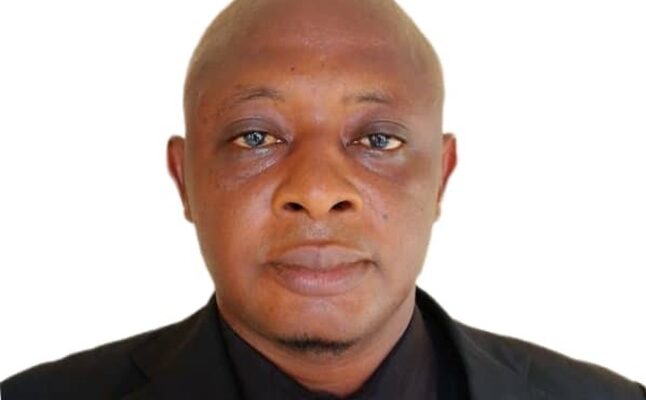

A prophet may enter a palace, but he must never allow the palace to enter his conscience. That distinction separates prophetic responsibility from political ambition, spiritual authority from public influence, and service to God from the pursuit of worldly recognition. The controversy surrounding Zimbabwean preacher Prophet Uebert Angel therefore raises a question that the contemporary Church must confront: when does a prophet’s engagement with political power cease to serve a divine purpose and begin to compromise the very assignment for which he claims to have been called?
There is nothing inherently sinful about a prophet engaging government, advising political leaders or participating in public affairs. Joseph served Pharaoh, Daniel served successive kings, and Esther occupied a position of political influence. But their biblical assignments were defined by responsibility, not the pursuit of political relevance. Nathan confronted David, Elijah challenged Ahab, and John the Baptist confronted Herod. They did not measure their spiritual authority by presidential recognition, diplomatic appointments or proximity to political power. Their allegiance was to truth, even when truth became inconvenient to those occupying the throne.
This distinction becomes particularly relevant when examining Uebert Angel’s former appointment as Zimbabwe’s presidential envoy and ambassador-at-large, alongside his international religious influence. Such an appointment is not, in itself, evidence of wrongdoing or a departure from God’s purpose. Christians can legitimately serve in government and contribute to national development. The more important question is whether political access strengthens a person’s public responsibility or gradually becomes a competing source of identity, influence and ambition. A prophet must never confuse an opportunity to serve with a licence to compromise.

Does a prophet need to enter political corridors when his basic material needs are already met? The question is not an indictment of prosperity or public service. It is a challenge to the motives behind the pursuit of influence. Financial provision does not automatically establish spiritual maturity, just as material poverty does not establish holiness. Nevertheless, 1 Timothy 6:6–10 warns against allowing the love of money to become a controlling ambition, while Matthew 6:24 reminds believers that no one can serve two masters. When the pursuit of titles, wealth and political access begins to compete with obedience to God, the danger is no longer merely reputational; it becomes spiritual.
This is one reason I continue to treasure the ministry of the late Prophet T.B. Joshua. My appreciation is rooted in a personal spiritual history. On June 8, 2008, through Emmanuel TV and the ministry of The Synagogue, Church of All Nations, my understanding of Christianity and my spiritual journey took a defining turn. Beyond personal testimony, however, his ministry offers an important subject for reflection on international religious influence. People travelled from different countries to Ikotun-Egbe, Lagos, generating activity for hotels, restaurants, transport operators, traders and other local businesses. I witnessed the wider economic and social activity associated with that international religious presence. His ministry demonstrated how a religious institution could attract global attention and create opportunities for a community through its spiritual outreach without making a political appointment the centre of its identity. This is not to suggest that T.B. Joshua was beyond criticism or that every aspect of his ministry should escape independent scrutiny. No religious leader deserves immunity from accountability. The point is that political proximity is not the only measure of influence, and presidential recognition is not the ultimate evidence of divine approval.
The prophetic office was never designed to become a political waiting room. In Jeremiah 1:10, the prophet is commissioned to confront nations and kingdoms. In 1 Kings 21, Elijah confronts Ahab over the injustice committed against Naboth. In 2 Samuel 12, Nathan challenges David over his abuse of power. These biblical accounts reveal a consistent principle: prophetic authority must remain independent enough to confront wrongdoing, including wrongdoing committed by those who possess political influence. A prophet who becomes too dependent on the palace may eventually find it difficult to speak when the palace needs correction. The danger is not that a prophet knows a president; it is that the relationship may become more important than the truth he is supposed to represent.
Nigeria provides another reason to take this conversation seriously. Some religious leaders openly participate in partisan controversies, make provocative political declarations and cultivate relationships with powerful political figures. Others use their platforms to challenge government policies and defend citizens’ rights. Both political engagement and freedom of expression deserve constitutional protection. However, public influence does not confer immunity from laws governing threats, incitement, defamation or other unlawful conduct. Neither should governments weaponise criminal proceedings to silence legitimate criticism. A statement made by a Nigerian pastor cannot automatically be judged by the legal standards of another country; different jurisdictions have different laws and constitutional protections. The principle, however, should remain universal: religious leaders are not above the law, and governments are not above criticism. A prophet must have the courage to speak truth without assuming that spiritual authority places him beyond legal accountability.
The biblical account of King Saul provides another uncomfortable warning. In 1 Samuel 15:22, Samuel declares that obedience is better than sacrifice. Saul possessed a throne, an army and public recognition, but these could not compensate for disobedience. Samson, in Judges 16, demonstrates the danger of treating spiritual gifts as personal possessions rather than sacred responsibilities. A preacher may command international audiences, establish religious institutions, attract wealthy followers and receive invitations from presidents, but the fundamental question remains whether the life behind the pulpit reflects the message being preached. Gifts may attract admiration; character and obedience sustain a calling. The size of a ministry is not a substitute for faithfulness.
Yet it would be irresponsible to conclude that Uebert Angel has abandoned God’s assignment merely because he faces criminal proceedings. An arrest is not a conviction, and allegations must be established through a competent judicial process. His former political appointment, religious identity and public controversies cannot determine his guilt. Equally, his prophetic title cannot exempt him from legitimate investigation. The Church must learn to distinguish between defending an accused person’s constitutional rights and defending every action associated with his public life. If wrongdoing is established, accountability must follow. If the allegations are not proved, his rights must be protected. Neither religious loyalty nor public outrage should replace evidence.
There is also hope in the biblical record for those who lose their way. Jonah attempted to escape his assignment, yet God gave him another opportunity to deliver the message to Nineveh. Peter denied Christ, but in John 21, Jesus restored him and instructed him to care for His sheep. These accounts demonstrate that failure need not be the final chapter of a spiritual journey. Repentance, restoration and renewed obedience remain possible. But restoration must never be confused with immunity from lawful consequences. God’s mercy does not demand the abandonment of justice, and forgiveness does not eliminate the responsibility to correct wrongdoing.
Ultimately, the Church must ask itself a question more important than the political appointments or international recognition of any preacher: are we raising prophets who can confront presidents, or religious personalities who need presidential recognition to validate their influence? Are our pulpits producing servants who can speak truth when it is inconvenient, or public figures who calculate their words according to the political relationships they wish to preserve? Jesus Christ rejected Satan’s offer of the kingdoms of the world and their glory in Matthew 4:8–10. His mission did not depend on political endorsement, diplomatic privileges or access to earthly power. He preached the kingdom of God, confronted hypocrisy and called humanity to repentance. This remains the standard against which every Christian ministry must examine itself.
The words of 1 Corinthians 4:2 provide the ultimate measure: “Moreover it is required in stewards, that a man be found faithful.” A prophet does not become greater because a president recognises him, nor does he automatically become guilty because a government investigates him. His calling must be measured by truth, obedience, humility and service. Political leaders occupy offices for a season; religious institutions rise and fall; public applause eventually fades. But the responsibility of representing God demands faithfulness beyond every political season.
God’s assignment is not a presidential appointment, and the prophetic covenant is not a diplomatic passport. A prophet may enter the palace, but he must never surrender his conscience at its gate. When political ambition begins to compete with divine obedience, the greatest danger is not the loss of public reputation but the possibility of losing sight of the very purpose for which the calling was given.
– Inah Boniface Ocholi writes from Ayah – Igalamela/Odolu LGA, Kogi state.
08152094428 (SMS Only)