
By Musa Bakare.
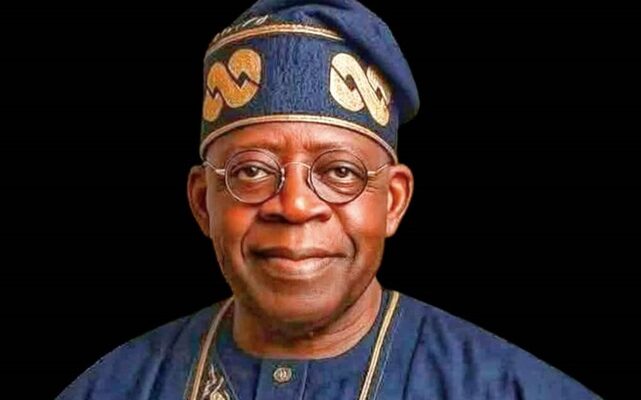
Leadership is not defined by popularity but by clarity of purpose, courage, and the willingness to make difficult decisions in the national interest. For the first time since Nigeria’s independence in 1960, the country is led by a President who demonstrates a profound understanding of governance, economic realities, and the long term sacrifices required for national renewal, President Bola Ahmed Tinubu.
This perspective may challenge prevailing public sentiment, which is often shaped by short term hardship, yet history frequently judges reformers more kindly than their contemporaries. President Tinubu is not improvising; he is executing a deliberate reform agenda grounded in political experience and economic pragmatism.

Upon assuming office, he confronted long-avoided structural problems including unsustainable fuel subsidies, weak fiscal discipline, and distorted economic incentives. The decision to remove fuel subsidies, widely acknowledged as fiscally ruinous was politically risky but economically necessary. Leaders who understand reform prioritize outcomes over applause.
Tinubu’s approach reflects the belief that no country achieves sustainable development without sacrifice. Currency adjustments, revenue reforms, and a renewed emphasis on domestic production are components of a broader strategy to rebuild Nigeria’s economic foundations and restore investor confidence.
Beyond economics, the President demonstrates a mastery of Nigeria’s complex political and ethnic diversity. His leadership style emphasizes inclusion, negotiation, and institutional balance, qualities forged over decades of experience as a senator, party strategist, and two term Governor of Lagos State, Nigeria’s economic hub developed through long term planning and reform.
Nigeria’s challenge has never been a lack of resources but a lack of political will. President Tinubu has chosen long term stability over short-term comfort. While the full results of these reforms will take time to manifest, their impact is going to be lasting.
History reminds us that transformational leaders are often controversial in their own time. Yet nations rise not on sentiment, but on sound decisions. Nigeria’s current reform trajectory embodies leadership grounded in understanding, conviction, and purpose.
– Musa Asiru Bakare, a Political Analyst and APC Foundation Member, writes from Lokoja, Nigeria.