
By Danfulani Lukman Ohinoyi
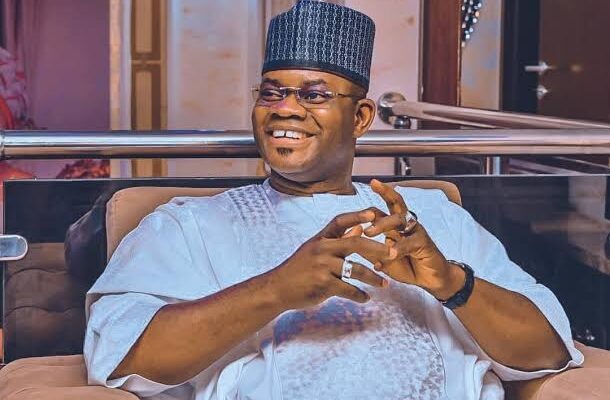
Adavi Local Government Area occupies a significant place in the development narrative of Kogi State under former Governor Alhaji Yahaya Bello, whose eight-year administration pursued investments in education, healthcare, road infrastructure, agriculture and grassroots representation.
For the residents and his supporters, Bello’s legacy in Adavi extends beyond political rhetoric to include major educational institutions, healthcare facilities, road projects, agricultural interventions and opportunities for Adavi indigenes to serve in government.

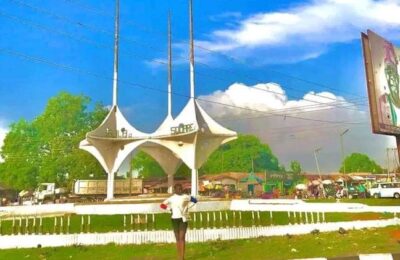
One of Bello’s most significant institutional legacies in Adavi is the Confluence University of Science and Technology (CUSTECH), Osara, established under his administration in 2020.
The university has expanded its academic offerings to include Medicine and Surgery, Law, Engineering and other professional and specialised disciplines. In April 2026, six engineering programmes were reported to have received full accreditation from the National Universities Commission (NUC), reflecting progress in the institution’s academic development.
Beyond education, CUSTECH creates opportunities for local businesses, accommodation providers, transport operators and food vendors while attracting students and professionals to Osara. Its continued growth strengthens Adavi’s potential as an educational and economic hub.
The GYB Model Science Secondary School, Nagazi, conceived under Bello’s administration, represents another investment in Adavi’s educational future.
Designed to support modern learning, science education and technology-based instruction, the school provides a platform for preparing students for higher education and professional careers. Its completion and commissioning under Governor Ahmed Usman Ododo in April 2026 demonstrates continuity with the educational vision initiated during Bello’s tenure.
Together, CUSTECH and the Nagazi model school represent investments in secondary and tertiary education, expanding opportunities for young people in Adavi and beyond.
In healthcare, the 110-bed Muhammadu Buhari Mother and Child Hospital in Iruvichonomi, inaugurated in January 2024, stands among the prominent public healthcare investments associated with Bello’s administration in Adavi.
Supported by infrastructure including electricity, water and access-road improvements, the facility was intended to improve access to medical services, particularly maternal and child healthcare.
Road construction and rehabilitation formed an important part of Bello’s wider infrastructure agenda, with road projects launched across Kogi Central to address poor access and improve movement between communities.
Among the road projects executed by Yahaya Bello administration in Adavi local government were the Ogaminana–Osisi-Paku-Ebogogo Road, Itakpe–Eika–Kuroko-Inoziomi Road, Nagazi Eba-Nagazi Uvete Road and Obehira–Adavi Eba-Ihima–Obangede Road, within the wider road network covering Adavi and neighbouring local governments. The Eika–Kuroko–Inoziomi route has also featured in accounts of road works associated with his administration.
These routes are important to the movement of residents, farmers, traders and transport operators. Improved roads can reduce travel difficulties, connect communities to markets and public services, and support commercial activities.
Bello’s administration also pursued road rehabilitation across the state as part of its broader infrastructure programme.
For Adavi residents, the lasting significance of road investment lies in safer journeys, easier transportation of farm produce, improved access to schools and hospitals, and stronger links between communities.
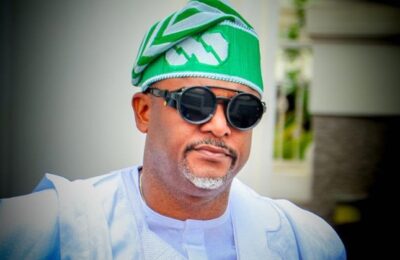
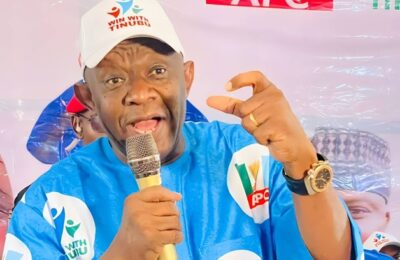
Bello’s administration also provided opportunities for Adavi indigenes to participate in state governance through political and public-service appointments.
Contemporary reports identified Adavi indigenes among his appointees, including individuals serving in advisory and other political capacities. For Adavians, these appointments represent grassroots inclusion and opportunities for local people to contribute to policy implementation and public administration.
A comprehensive record of commissioners, advisers, senior special assistants, board members, agency heads and other Adavi indigenes appointed during his tenure would further demonstrate the breadth of this representation.
Agricultural development also featured in Bello’s wider agenda through initiatives such as the Kogi State APPEALS programme, Kogi State ACReSAL and others, which supported agricultural productivity, agribusiness and enterprise development across the state.
For Adavi farmers, women and young entrepreneurs, such interventions offered opportunities to strengthen livelihoods and participate in agricultural value chains.
His administration also pursued security interventions and wider infrastructure development across Kogi State. These priorities remain important to protecting residents, supporting commerce and improving access to essential services.
From CUSTECH Osara and the GYB Model Science Secondary School in Nagazi to the Iruvichonomi Mother and Child Hospital, road projects and the appointment of Adavi indigenes into government, Bello’s administration forms an important chapter in the local government’s development story.
For Adavians and Bello supporters, these investments provide a basis for recognising his contribution to Adavi.
As Adavi looks to the future, preserving existing institutions, improving public services, maintaining roads and expanding economic opportunities remain essential priorities.
Ultimately, the enduring measure of development is the difference public investments make in people’s lives, through quality education, accessible healthcare, reliable roads, stronger livelihoods and meaningful opportunities for future generations.
– Comrade Danfulani Lukman Ohinoyi writes from Lokoja.