
As the world commemorates International Women’s Day, a non-governmental organisation, Protect The Child Foundation (PTCF), is championing the use of culture as a transformative tool to combat harmful traditional practices, gender-based violence, and discrimination against vulnerable groups in Kogi State.
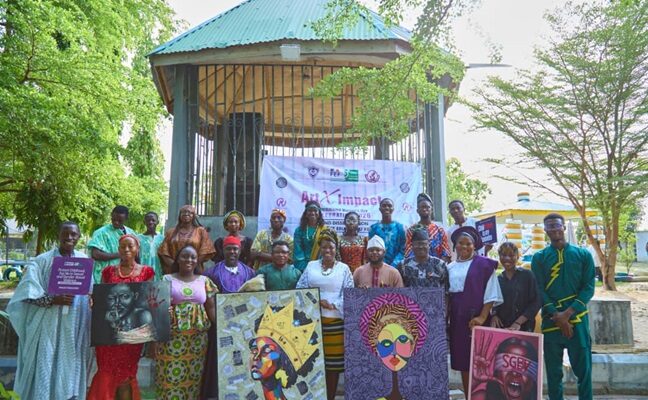
With support from the French Embassy Fund, the foundation hosted an event celebrating “Art and Impact” alongside the dissemination of its Project Ebulejonu. The initiative underscores the urgent need to address the persistent challenges faced by women and girls, including harmful cultural practices, systemic discrimination, and sexual and gender-based violence.
Speaking at the event, the Executive Director of PTCF, Elizabeth Achimugu, emphasised the need to end gender-based violence while promoting inclusion for women and persons with disabilities.

“Culture is very beautiful, but it has often been misused as a driver of sexual and gender-based violence,” she said. “People hide behind culture to deny women inheritance rights or justify child marriage and female genital mutilation. We are here to say that culture can also be a powerful force for positive change.”
Achimugu highlighted historical examples to reinforce her point, noting that Ebulejonu, the first Attah of Igala, was a woman, demonstrating that culture can promote female leadership and inclusion.
“Our culture supports women, vulnerable people, and children,” she added. “Instead of viewing culture as a problem, we must rediscover its positive values. Culture is our identity—it is our root.”
She further called on government at all levels to integrate cultural elements into policies and programmes aimed at social development.
“My advice to government is to design programmes that incorporate cultural values. When people hear stories of our female heroes who shaped society, it helps counter negative narratives. We must not allow our culture to be eroded by modernisation,” she said.
“Culture should never be used as a tool to harm women and children. We must reshape our traditions to promote dignity, equality, and protection for all.”
On Project Ebulejonu, Achimugu explained that the initiative is designed to create an enabling and inclusive environment that upholds the rights of women and adolescent girls while preventing sexual and gender-based violence through advocacy, sensitisation, and economic empowerment.
“Project Ebulejonu is not just an intervention it is a movement,” she said. “When knowledge replaces silence, when empowerment replaces dependence, and when communities choose justice over harmful traditions, change becomes inevitable.”
She outlined the project’s key objectives, which include engaging religious, traditional, and community leaders to speak against gender-based violence; empowering women, girls, and persons with disabilities with entrepreneurial and digital skills; increasing awareness through mass and social media campaigns; and improving reportage of gender-based violence cases.
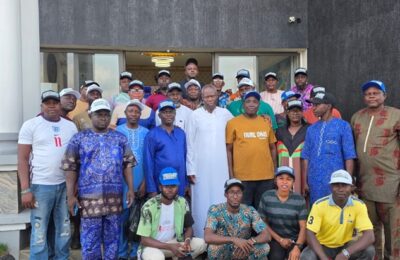
In their separate remarks, the Secretary of the Kogi NGOs Network, Reuben Joshua, and the Onu Igala of Kabba, HRH Onuche Isaac, underscored the crucial role of traditional institutions in addressing harmful cultural practices.
“Community leaders must take responsibility in ending practices that harm women and children,” Joshua said. “As civil society actors and traditional rulers, we are committed to eliminating harmful traditions that fuel inequality and violence.”
Similarly, HRH Onuche Isaac noted that cultural custodians must lead the charge in redefining norms that undermine human dignity.
Also speaking, human rights activist Joy Akinola stressed the importance of breaking the culture of silence surrounding abuse.
“Women must be empowered to speak up,” she said. “Silence only perpetuates the problem. Protecting women, children, and persons with disabilities is a shared responsibility.”
Stakeholders at the event agreed that cultural reorientation remains critical to achieving gender equality and increasing women’s participation in leadership, noting that positive cultural values can serve as a foundation for building a more inclusive and equitable society.