
Nigeria is a paradox. It is a land bursting with oil, gas, fertile land, and human potential. Yet, day after day, millions of its families are trapped in a grinding struggle for survival. Children go to bed hungry while stadiums host lavish events. Mothers queue for hours at water points while billion-naira contracts are awarded in the capital. The wealth is there, glaring, visible, but it rarely touches the lives of ordinary Nigerians.
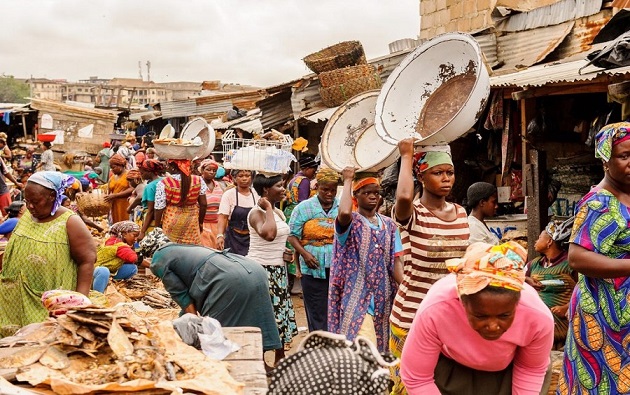
In Lagos, a mother of four earns less than ₦30,000 a month. She sends her children to overcrowded schools where teachers are underpaid, textbooks are scarce, and hope is rationed. Across the Niger Delta, families inhale gas fumes from pipelines that enrich foreign corporations and a handful of local elites while their fishing waters and farmlands are destroyed. In the north, drought and desertification combine with poverty to push children into labor, begging, or early marriage. The statistics are brutal: over 40% of Nigerians live below the poverty line, despite the country being Africa’s largest economy.
The irony is almost cruel. Nigeria produces more than enough to feed itself and export billions of dollars in crude oil and agricultural goods. Yet hunger and deprivation remain daily realities. How can this be? The answer lies in governance or the lack of it. Corruption, nepotism, and policy failure have turned the promise of wealth into a cruel joke for ordinary citizens. The roads are potholed, hospitals under-resourced, electricity unreliable, and social safety nets non-existent. Every naira that should empower a family is siphoned off, lost, or mismanaged.

The human cost is invisible in reports and GDP figures but painfully tangible on the streets. Families make impossible choices: pay rent or buy food, treat illness or pay school fees, feed the children or care for the elderly. The psychological toll is enormous. Children grow up learning that hard work does not guarantee survival. Mothers and fathers labor tirelessly, only to see their efforts barely scratch the surface of basic needs. Families endure humiliation, desperation, and the quiet erosion of dignity.
Yet amidst this darkness, there is resilience. Communities create informal support networks. Women organize cooperative savings groups; youth form local initiatives to provide education or jobs. Ordinary Nigerians, facing daily adversity, refuse to surrender to despair. This is the paradox of poverty in the valley of plenty: it is a story of failure, yes! but also a story of courage.
But courage alone cannot fix structural failure. Nigeria’s elites, the politicians, businessmen, and bureaucrats who control wealth and policy, must be held accountable. Policies must shift from enriching the few to empowering the many. Investments in education, healthcare, and infrastructure are not luxuries; they are the lifelines of a nation drowning in inequality. Social programs must reach the most vulnerable. Corruption must be punished, and governance must be transparent, deliberate, and humane.
Families in Nigeria deserve more than crumbs while the country basks in wealth. They deserve dignity, opportunity, and justice. The nation’s abundance should not be a source of shame but of shared prosperity. Until the gap between wealth and want is bridged, Nigeria’s promise will remain a cruel mirage, and its people, despite their courage, will continue to suffer in the shadow of plenty.
The question is simple, yet urgent: will Nigeria’s leaders finally act, or will generations of families continue to endure poverty amid plenty?
– Inah Boniface Ocholi writes from Ayah – Igalamela/Odolu LGA, Kogi state.
08152094428 (SMS Only)