
By Stephen Adeleye
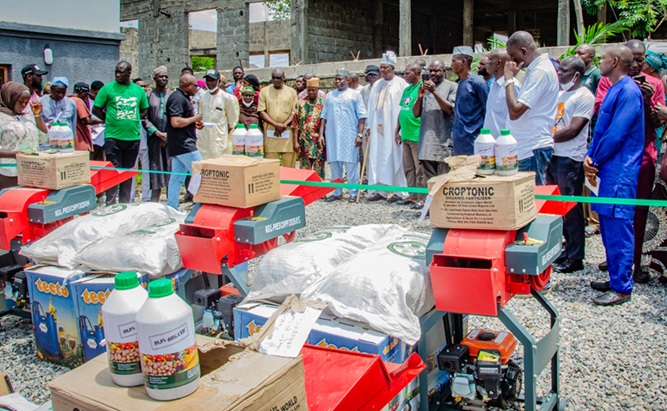
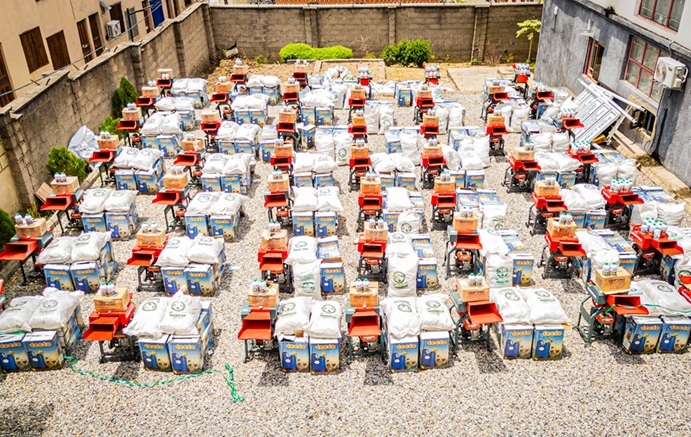
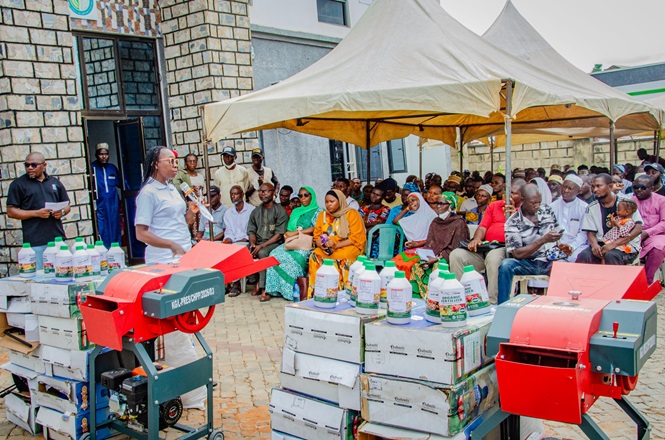
The Kogi State Livestock Productivity and Resilience Support (Kogi L-PRES) Project, has distributed pasture farm inputs and equipment to 500 farmers from 50 clusters across the state.
At a one-day stakeholders’ engagement on Thursday in Lokoja, the State Project Coordinator (SPC), Mr Abdulkabir Onuoroyoiza Otaru, said the programme marked “another significant milestone” in government’s efforts to transform livestock production and improve farmer resilience.

“Today’s event marks another significant milestone in the efforts of the Kogi State Government, through the L-PRES Project, to strengthen livestock production systems, improve pasture development, and enhance the resilience and productivity of livestock farmers across the State,” he said.
He noted that the livestock sector remained critical to Nigeria’s agricultural development and economic growth, contributing to food and nutrition security, employment, and rural livelihoods.
However, he said the sector continued to face challenges including inadequate pasture development, seasonal feed shortages, climate pressures, low productivity, and resource-based conflicts.
“In response, the Kogi L-PRES Project, with support from the Federal Government and the World Bank, is rolling out strategic interventions to make the sector more productive, resilient, and sustainable,” he said.
He said 500 farmers from 50 clusters across the 21 local government areas, would receive pasture seeds, organic fertilizers, knapsack sprayers, fodder choppers, and technical support services aimed at improving pasture establishment, management, and value addition.
Represented by the Animal Husbandry Officer, Mr Adeniyi Oloninisi, the coordinator noted the inputs were “investment in productivity, sustainability, and the future of livestock development in Kogi State.”
He stressed that sustainable livestock growth required collaboration among government, development partners, farmers, traditional institutions, and the private sector.
The coordinator also thanked Governor Ahmed Ododo for his commitment to agricultural transformation especially the livestock sector in the state.
Mr Otaru acknowledged the support of the Commissioner for Livestock Development, the National Project Coordination Office, the World Bank, and the implementing teams.
“Let us continue to strengthen our partnership and collective commitment towards building a modern, resilient, peaceful, and economically viable livestock sector for the benefit of our people and future generations,” he said.
The SPC urged beneficiaries to use the inputs judiciously, saying success would be measured by improved pasture availability, productivity, and farmers incomes.
HRH Oba Dr. Idowu Isenibi, the Bajana of Obajana, said the intervention showed government’s commitment to rural communities.
“I am a farmer myself, and that is why I understand the value of what has just happened here. We promise Kogi L-PRES that whatever is given to us today will be used judiciously,” the monarch said.
Dr George Ogirima, Managing Director of the Kogi Agricultural Development Project (ADP), credited Gov. Ododo for prioritising agriculture, noting Kogi was among the first states to domesticate the Ministry of Livestock Development.
“Under Gov Ododo, Kogi is doing well in agriculture. We expect success stories, not excuses. Use these inputs well and report back so we can scale up the project,” he said.
Mallam Aliyu Abdulaziz, Head of the Project Financial Management Unit, said the inputs represented a significant investment and called for accountability through proper use and regular progress reports.
Beneficiaries including Mrs Rebecca Oluwi from Mopamuro, Mrs Asovi Ibrahim from Okene, and Mrs Binta Yahaya from Dekina thanked Kogi L-PRES, the federal and state governments.
They said the inputs would boost pasture farms, improve livestock feeding, and enhance livelihoods.
The Kogi L-PRES Project, supported by the Federal Government and World Bank, emphasised that the interventions aim to reduce feed shortages, improve productivity, and enhance food security and incomes for livestock farmers across the state.