
The statement “Nigeria Government seems to be playing with internal security with the rising profile of Insurgency” mixes frustration with the reality on the ground.
Here’s a balanced assessment based on what’s happening 2024-2026:
What the data shows about the security situation
Rising casualties: Nigeria’s National Human Rights Commission reported 2,266 people killed by bandits/insurgents in H1 2025, more than the 2,194 killed in all of 2024. June 2025 alone saw 606 killed.

Expanding geography: Attacks by armed groups have intensified in North-East, North-West, North-Central. ACLED data shows Islamist militant attacks in the Niger-Benin-Nigeria border zone rose 90% between 2024-2025, with deaths doubling to over 1,000.
Abductions & school attacks: SERAP cited the abduction of 25 pupils and 7 teachers in Oyo, plus attacks on students in Benue traveling to exams.
What the government is doing
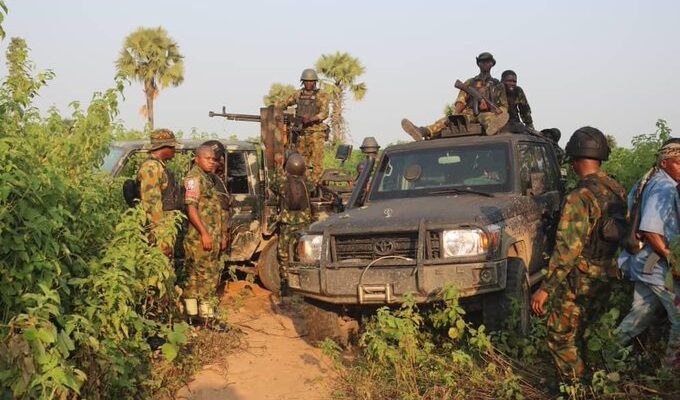
Military operations: Operation Hadin Kai and Operation DESERT SANITY report killing 50+ terrorists including ISWAP commanders in recent operations. A joint Nigeria-US strike in May 2026 killed 21 ISWAP fighters and a senior commander.
Shift in strategy: Since 2023, cooperation with AFRICOM moved from training to real-time intelligence fusion and precision strikes. Precision rose from 41% in 2022 to 67% in 2024.
Surrenders: Over 104,000 former Boko Haram fighters and dependents have surrendered under Operation Safe Corridor since 2023.
Tech investment: Nigeria launched the Multi-domain Hybrid Intelligence Shield with AI-enabled threat ID and anti-drone systems. 5db2a789c829fbcd
Why people say “playing with internal security”
Three main criticisms come up in public discourse and reports:
Territorial control gaps: Reports say armed groups control substantial territories in Plateau and Benue, operating with impunity. The military’s “super camp” strategy secures bases but leaves open spaces vulnerable to ambush and abduction.
Allegations of collusion/omission: A May 2026 US Commission report alleged some security elements collude with jihadist militias. SERAP has called for accountability for rights violations by security forces.
Stretched capacity: The military is fighting on multiple fronts – Boko Haram/ISWAP in NE, banditry in NW, herder attacks in NC, secessionist violence in SE.
NHRC says the state has failed to protect citizens, “whether through commission or omission”.
Assessment
deliberate inaction: There are ongoing military operations, foreign partnerships, and reported tactical successes. Over 104,000 surrenders suggest pressure is working in some areas.
Reflects a governance gap: The scale of attacks, civilian deaths, and territorial control by non-state actors show the response hasn’t matched the threat. Issues include intelligence gaps, slow justice, inadequate civilian protection, and allegations of misconduct.
Root problem is multi-dimensional: Security analysts argue Nigeria needs a broader counterinsurgency framework beyond military force – addressing local governance, economy, community resilience.
In conclusion, the government is actively engaged militarily, but the insurgency/banditry is expanding faster in some areas, and public trust is low due to perceived failures in protection and accountability. Saying it’s “playing with” security overstates deliberate neglect, but it accurately captures the frustration that current measures aren’t containing the crisis.
– Benjamin Ibrahim writes from Lokoja, Kogi state.
+2348069596250