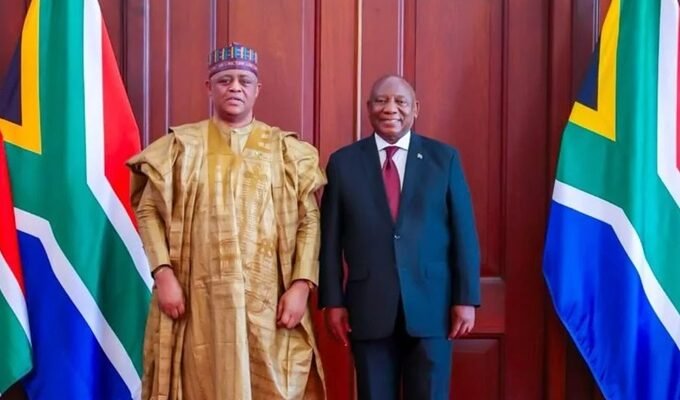

Deploying an outspoken, assertive voice like Femi Fani-Kayode to manage Nigeria’s diplomatic engagement with South Africa is a timely and strategic move. For years, Abuja’s traditional preference for quiet, turn-the-other-cheek diplomacy has been met with recurring hostility, bureaucratic disdain, and periodic waves of xenophobic violence against Nigerians living and doing business in South Africa.
In the conduct of international relations, reciprocity is a foundational principle. Sovereign nations engage one another on the basis of mutual respect and equal dignity; no credible state absorbs repeated humiliation or watches its citizens suffer targeted violence and property destruction abroad without demanding accountability. Fani-Kayode’s unapologetic, firm diplomatic posture represents a necessary recalibration; reminding Pretoria that diplomatic courtesy is a two-way street,and that Nigeria will no longer accept condescension where partnership is expected.
What makes South Africa’s recurring hostility toward fellow Africans particularly troubling is the erasure of its own liberation history. Few nations benefited more from continental solidarity than South Africa during its darkest hours under apartheid. At great financial, diplomatic, and human cost, Nigeria stood at the forefront of the anti-apartheid struggle; mobilising global sanctions, funding liberation movements, and offering scholarships and sanctuary to South African exiles until freedom was finally won in 1994.

To see elements within post-apartheid South Africa turn their frustration inward against fellow Black Africans; looting businesses, destroying livelihoods, and taking lives while lingering structural inequalities from the apartheid era remain unresolved elsewhere in their society, is both tragic and deeply ironic.
Nigeria asks for no special favours from South Africa. What Abuja demands is straightforward: mutual respect, bilateral parity, and reciprocal protection for citizens and investments. Across Nigeria, South African corporations and nationals operate freely, enjoying legal protections, market access, and thriving commercial returns. Nigerians in South Africa deserve nothing less.
Certainly, no nation condones criminality. If any Nigerian citizen violates South African law, the proper remedy lies strictly within South Africa’s criminal justice system through fair investigation and due process but never through mob justice, extrajudicial harassment, or blanket stigmatisation of an entire nationality.
Critics who dismiss Fani-Kayode’s assertive rhetoric misunderstand the realities of modern statecraft. Diplomacy is not timidity; it is the vigorous defence of national interest and citizen welfare within established protocol. Having a representative willing to speak plainly and insist on diplomatic reciprocity is not an act of hostility; it is an overdue assertion of Nigeria’s self-respect.
– Onogwu Muhammed, LLB,BL,LLM,MIAD,ANIPR