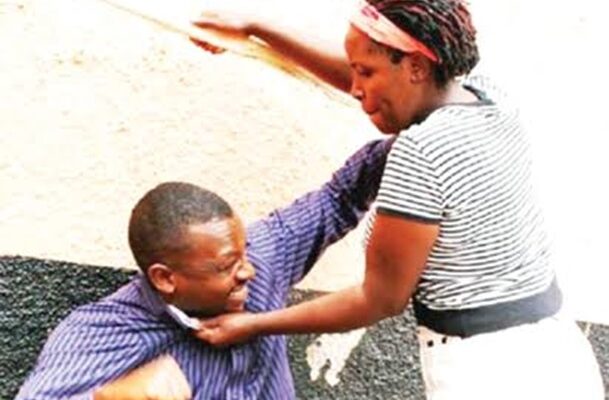

In gender based violence (GBV) work, case support and referral, is basically the “case management” system.
Think of it as walking with a survivor through every door they need to enter, without making them tell their story several times.
THE GBV CASE MANAGEMENT CYCLE
This is the framework most orgs and UNFPA/UNICEF/GBV AoR use.
Intake and Assessment
Survivor comes to you, You do risk assessment, safety plan, consent. As a
Case worker / Case manager
Case Support
You walk with the survivor, Explain options. No pressure. On Case worker

Referral
You link survivor to specialized services they consent to Service providers
Follow-up
Check if services were received, safe, by helpful Case worker
Case Closure
When survivor goals are met through safe Case worker with Survivor
HOW LEGAL REPRESENTATIVE FITS IN
Role
Provide legal aid, advice,
representation in court, police, or customary processes.
How it relates to case support
Information
Case worker explains legal options: filing police report, protection order, divorce, child custody, compensation.
Referral:
With survivor consent, you refer to legal aid lawyer, Legal Aid Council, FIDA, or pro-bono lawyers.
Accompaniment:
Case worker may accompany survivor to police station or court for moral support. Lawyer handles the legal part.
Coordination:
You follow up with lawyer to know case status, next court date, and update survivor.
Safety:
Legal action can increase risk. So case worker and lawyer do safety planning together.
Key principle:
Legal is one option, Some survivors don’t want police/court. We respect that.
HOW MEDICAL, PSYCHOLOGICAL, SHELTER FIT IN
Survivor Medical Care
Why, Within 72hrs for PEP, emergency contraception, treat injuries, collect forensic evidence.
Referral:
To health facility with GBV-trained staff, SARC – Sexual Assault Referral Center, or hospital.
Case worker role: Help with transport, cost, accompany, ensure survivor gets “compassionate care” and not re-traumatized.
B. Psychosocial Support/Physiological
Psychosocial support includes Trauma counseling, peer support, mental health.
Referral:
To counselor, psychologist,
psychiatrist, or support groups.
Case worker role:
Do basic psychological first aid yourself, then refer for specialized counseling. Follow up on appointments.
Shelter / Safe House
When survivor is at risk at home.
Referral: To govt shelter, NGO safe house, or alternative safe accommodation with family/friends.
Case worker role: Do risk assessment, arrange safe transport, check shelter conditions, plan for exit.
FOLLOW-UP & SURVIVOR ENGAGEMENT
This is what makes it case support and not just referral and drop
Follow-up calls/visits:
1 week,1 month, 3 months later.
Did you get to the hospital?
Is the lawyer calling you?
Are you safe?
Case Conference:
Monthly meeting where case worker, legal, medical, shelter providers discuss difficult cases – with consent.
Survivor Feedback:
Ask: Was the service helpful?
Were you treated with dignity?
Use this to improve referrals.
Documentation:
Keep case file confidential. Track services received, outcomes, and survivor goals.
THE GOLDEN RULES FOR REFERRALS
Survivor-centered: Survivor decides what services they want.
Informed consent: Explain what each service does before referring.
Confidentiality: Only share info with other providers with written consent.
Do no harm: If referral will put survivor at more risk, don’t do it.
Feedback loop: Always close the loop. Did the referral work?
B-Simple Flow Example
Survivor of sexual assault comes to you
Case sexual worker does intake and safety plan
Referral 1: Hospital for medical and PEP within 72hrs
Referral 2: Lawyer for police statement
Referral 3: Counselor for trauma Referral 4: Shelter because
perpetrator is at home
Case sexual worker follows up weekly for 3 months
Case closed when survivor is safe and all goals met
– Benjamin Ibrahim writes from Lokoja, Kogi state.
+2348069596250