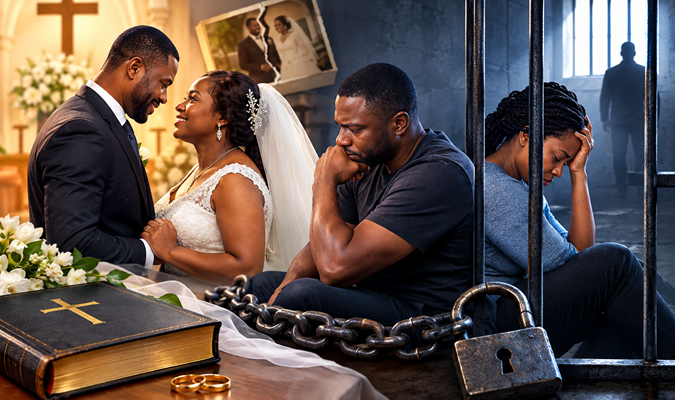

Some people escape poverty only to become prisoners of their own pride. Money enters the house, but wisdom never does. A modest salary becomes a throne; credentials become armour; suspicion becomes surveillance; anger becomes authority. What looks like success from outside can conceal a profound interior collapse: a life enlarged by income but diminished by character.
The deepest poverty in marriage is not an empty bank account. It is the absence of integrity. A person may rise from obscurity, acquire comfort, speak with professional sophistication and still remain incapable of the humility that makes intimacy possible. Trust cannot survive where deception is habitual, fidelity is negotiable, temper is tyrannical and another person’s dignity is treated as an inconvenience. Intelligence may impress strangers, but character is what the people at home must live with. A certificate can establish competence; only conduct can establish credibility.
There is an especially dangerous distortion when Christianity enters the equation. Forgiveness becomes confused with permission. Submission becomes a weapon. Prayer becomes a substitute for accountability. The suffering spouse is urged to preserve the marriage while the behaviour destroying it remains untouched. But forgiveness does not require blindness, and love does not require surrendering one’s boundaries. A Christian can forgive without immediately trusting again; can pray for transformation without pretending transformation has occurred; and can desire reconciliation without abandoning the demand for truth, safety and accountability.

The most revealing question, therefore, is not why a wounded spouse has stopped trusting. It is what repeatedly happened to make trust difficult in the first place. Trust is not produced by demands, religious titles, public reputation, financial provision or declarations of love. It grows slowly from consistency: truth when lying would be convenient; fidelity when temptation is available; restraint when anger rises; humility when correction arrives; transparency after betrayal; and genuine repentance when harm has been done. Where abuse or coercive control is present, responsible Christian care must take safety seriously rather than romanticising endurance or rushing reconciliation. (usccb.org)
And perhaps this is the hardest truth marriage teaches: being loved does not make anyone entitled to trust. A spouse may continue loving the person behind the behaviour while rejecting the behaviour itself. Love can remember what someone was; wisdom must confront what someone has become. The measure of a transformed marriage is not how convincingly its wounds are hidden, but how honestly they are confronted. The real evidence of repentance is not another apology, another sermon or another promise. It is sustained change. Love may be freely offered. Forgiveness may be freely chosen. But trust is a verdict that character must earn, one truthful act at a time.
– Inah Boniface Ocholi writes from Ayah – Igalamela/Odolu LGA, Kogi state.
08152094428 (SMS Only)